

If you're entering the crypto world, sooner or later you'll read the word DYOR. It's not a trend or a pretty phrase. It means 'Do Your Own Research' and, in 2026, it remains the number one rule to avoid basic mistakes within the ecosystem.
In crypto, there are real opportunities, but also noise, hype, and scams. Learning to research doesn't make you an expert, but it does protect you.
This guide is for those who are starting out and want to understand how to research without complicating things.
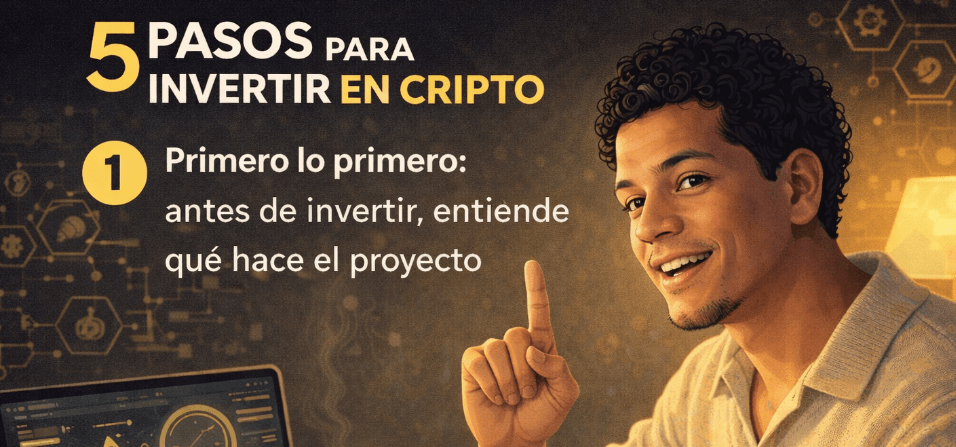
First things first: before investing, understand what the project does
Before looking at the price or thinking about profits, ask yourself something very simple:
What problem does that project solve?
What is the token used for?
Does it have a real use or is it just marketing?
If you can't explain it in simple terms, it's not the right time to invest yet. 🙊

Second: Use a data tool (everyone must find their own)
To apply DYOR, you need a data source. Not to make decisions for you, but to understand the overall context of a project: size, activity, supply, and movement.
In my case, I use CoinMarketCap as a starting point to review that basic context. Not because it's "the best" or because everyone should use it, but because it works for me.
The important thing isn't the tool, but the habit. 🙈
Each person should find the platform they feel comfortable using to research and compare information.And something important: this is not investment advice. It's just how I do my own research. You should do yours before making any decisions.
Third: Use Binance Square and read what the community is actually saying, not just ads...
Binance Square is one of the best tools for DYOR in 2026 if you know how to use it properly.
Here you can:
Read reviews from other users
See different opinions (not just positive ones)
Detect early warnings
Learn from real experiences
Don't just rely on one post. Read several, compare them, and draw your own conclusions. 🙉

Fourth: The whitepaper is not optional (even if you don't read it completely)
You're not Satochi, so you don't need to understand every technical detail, but you do need to review:
What does the project propose?
How the token works
Whether the language is clear or too vague
If it promises guaranteed results (big red flag)
A good project explains step by step what it does and what risks are involved. It doesn't sell magic or promises of 1000 times a day. 🦄
Fifth: Observe the team and how they communicate (look for your red or green flags)
Ask yourself these questions:
Is the team public or anonymous?
Are they sharing real progress or just hype?
Do they answer questions or avoid criticism?
Transparency doesn't guarantee success, but in my opinion, a lack of it is usually a bad sign. 🤡
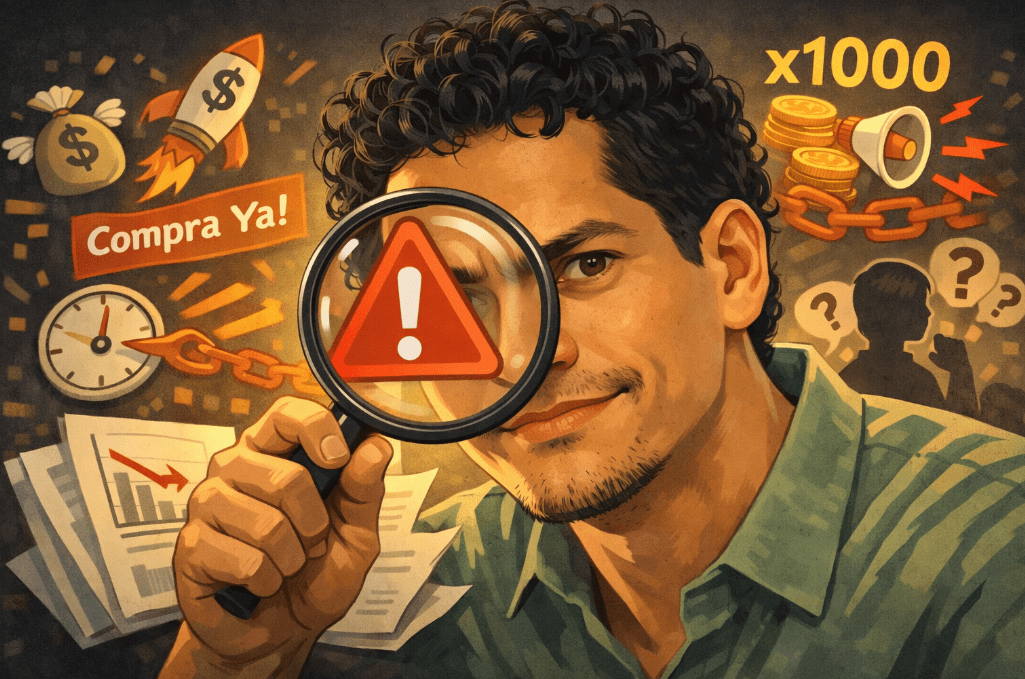
Be careful if you see:
Promises of quick or guaranteed profits
Pressure to invest “before it’s too late”
Lots of noise and little clear information
Communities obsessed only with price
Attacks on those who ask questions
In crypto, urgency almost never works in your favor. 👽
DYOR isn't about complicating your life. It's about taking care of yourself.
In 2026 there is more information than ever before, but also even more misinformation. The difference lies in who takes the time to investigate before acting.
Use tools, read the community, review documents, and trust your own analysis more than other people's promises.
Nobody takes better care of your money than you. 💵💰💵
