


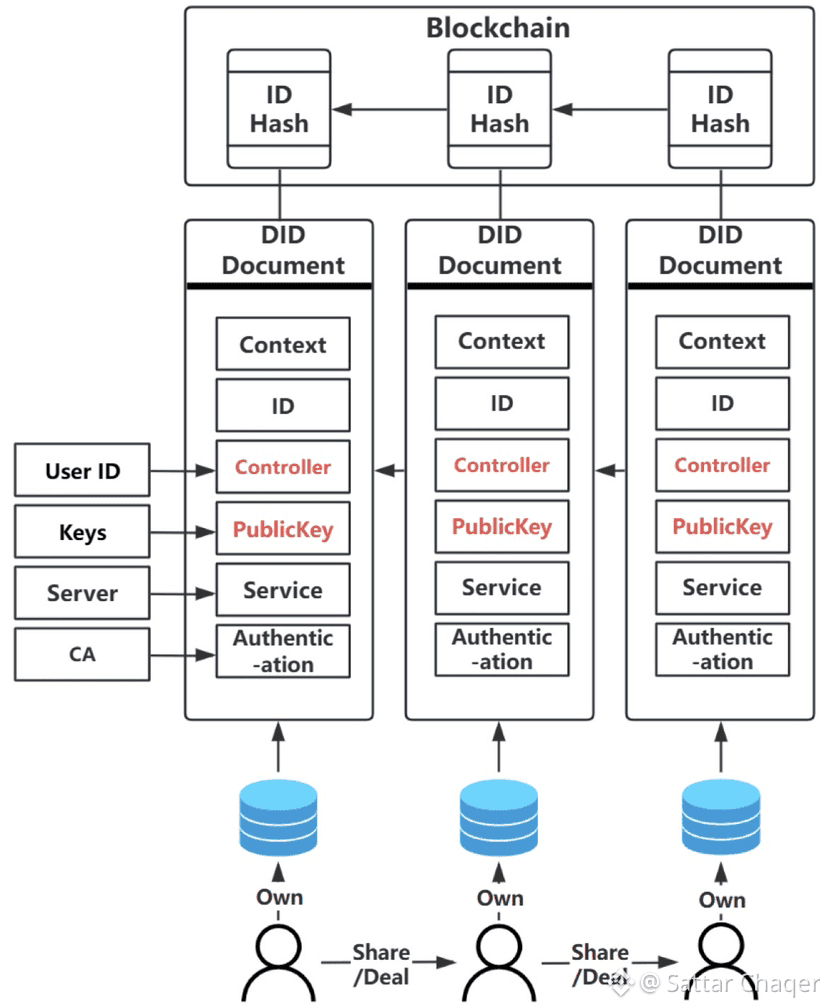
Speed is often treated as progress in agent-based systems. Faster execution, shorter decision loops, and higher transaction throughput are framed as clear improvements. In early stages, they are. But as systems scale, speed without structure becomes a liability.
When agents operate without identity layers, acceleration amplifies mistakes. Actions propagate before context is verified. Decisions compound faster than governance can respond. The system becomes efficient at scaling misalignment rather than intent.
Identity layers introduce friction, but it is intentional friction. They slow execution where slowing down is necessary. Permissions become explicit instead of assumed. Authority becomes scoped instead of inherited. Responsibility becomes traceable instead of diffuse.
Without identity, agents are defined only by behavior. What they do determines who they are. This makes enforcement reactive. The system responds after damage occurs. With identity layers, agents are defined before they act. Governance becomes preventative rather than corrective.
In distributed environments, this distinction matters more than raw performance. A fast system that cannot enforce boundaries will eventually overrun itself. Conflicts appear not because agents are malicious, but because their domains overlap unintentionally.
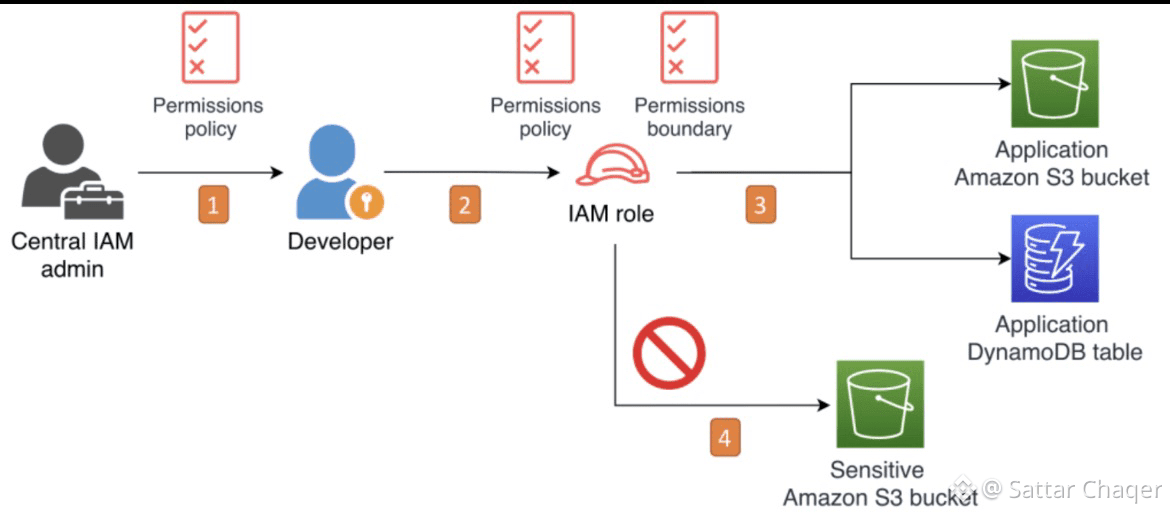
Kite’s approach treats identity as a control surface. Identity does not exist to label agents for convenience. It exists to limit them. To define where autonomy applies and where it does not. To ensure that scaling the number of agents does not scale uncertainty at the same rate.
Agent systems do not fail because they are too slow. They fail because they are too fast for their governance layer. Identity layers align speed with control, allowing systems to scale without losing coherence.
In mature systems, speed is never the primary constraint. Structure is. Identity is how structure is enforced in autonomous environments.


