


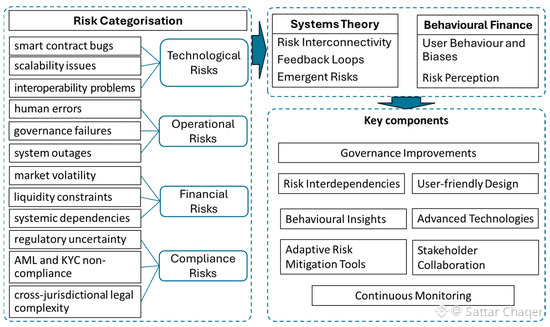
In on chain finance, over collateralization is often treated as a design mistake. Locking more value than necessary feels inefficient, especially in systems that promise speed, leverage, and capital optimization. At a glance, it looks like a tax on users rather than a benefit.
That reaction is understandable but incomplete.
Most protocols don’t fail because yields disappear. They fail because assumptions break. Liquidity moves faster than expected. Volatility clusters instead of spreading out. Correlations tighten at the exact moment systems are least prepared for it.
In those moments, efficiency stops mattering.
Falcon Finance approaches collateral from this angle. Instead of asking how little capital a system can survive on, it asks how much uncertainty a system can absorb without changing its behavior. The answer is rarely “as little as possible.”
Over collateralization creates space. Space for liquidations to occur gradually instead of instantly. Space for pricing to adjust without cascading failures. Space for users to exit without forcing the system into emergency states.
This is not theoretical. On-chain history is full of designs that worked perfectly until they didn’t usually because buffers were optimized away in calm conditions. When stress arrived, everything broke at once.
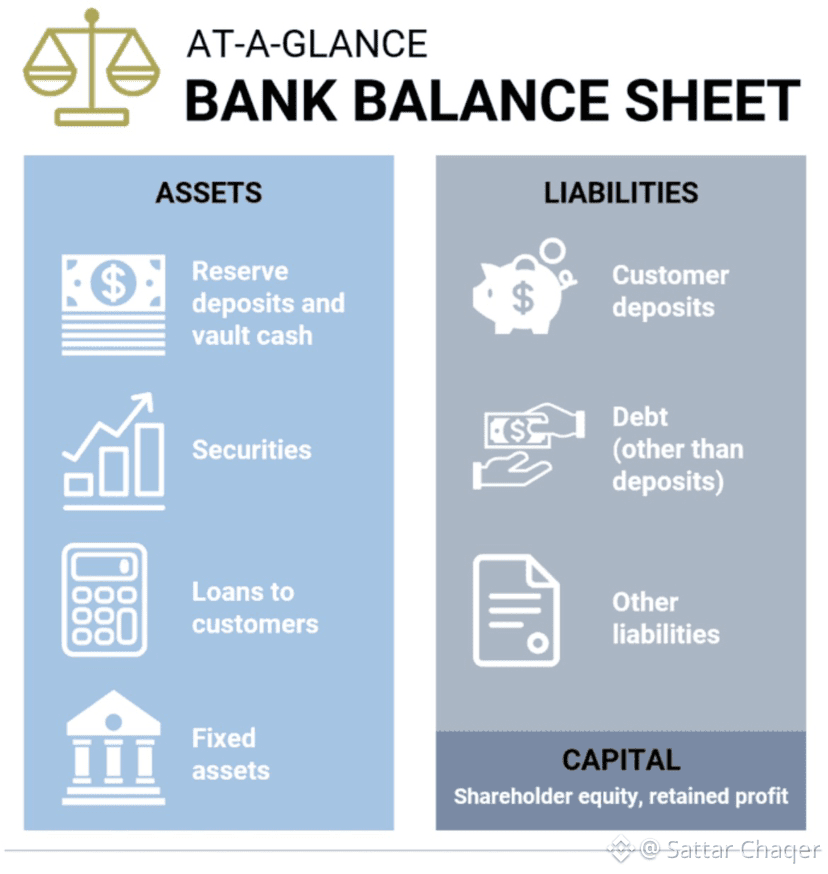
Falcon’s design accepts the trade-off upfront. Capital is not treated as something to squeeze for efficiency, but as a stabilizing force. By standardizing how collateral behaves across assets, the system reduces edge cases and avoids fragile dependencies that only appear under pressure.
The result is slower growth, but clearer behavior. Less surprise, but more reliability.
Over-collateralization doesn’t look impressive in dashboards. It doesn’t advertise itself well. But when systems are tested, not promised, it often becomes the difference between surviving volatility and amplifying it.
Falcon Finance is built for that distinction.

