
Once seen as the 'future of the internet,' the metaverse has now become a heavy burden for Meta. Recently, Meta announced a 10% layoff in its metaverse business unit Reality Labs, affecting about 1,500 people. Previously, Meta founder Zuckerberg had clearly stated that the company would shift resources from the metaverse to the field of artificial intelligence. Data shows that over the past five years, Meta's losses in the metaverse business have exceeded $70 billion.
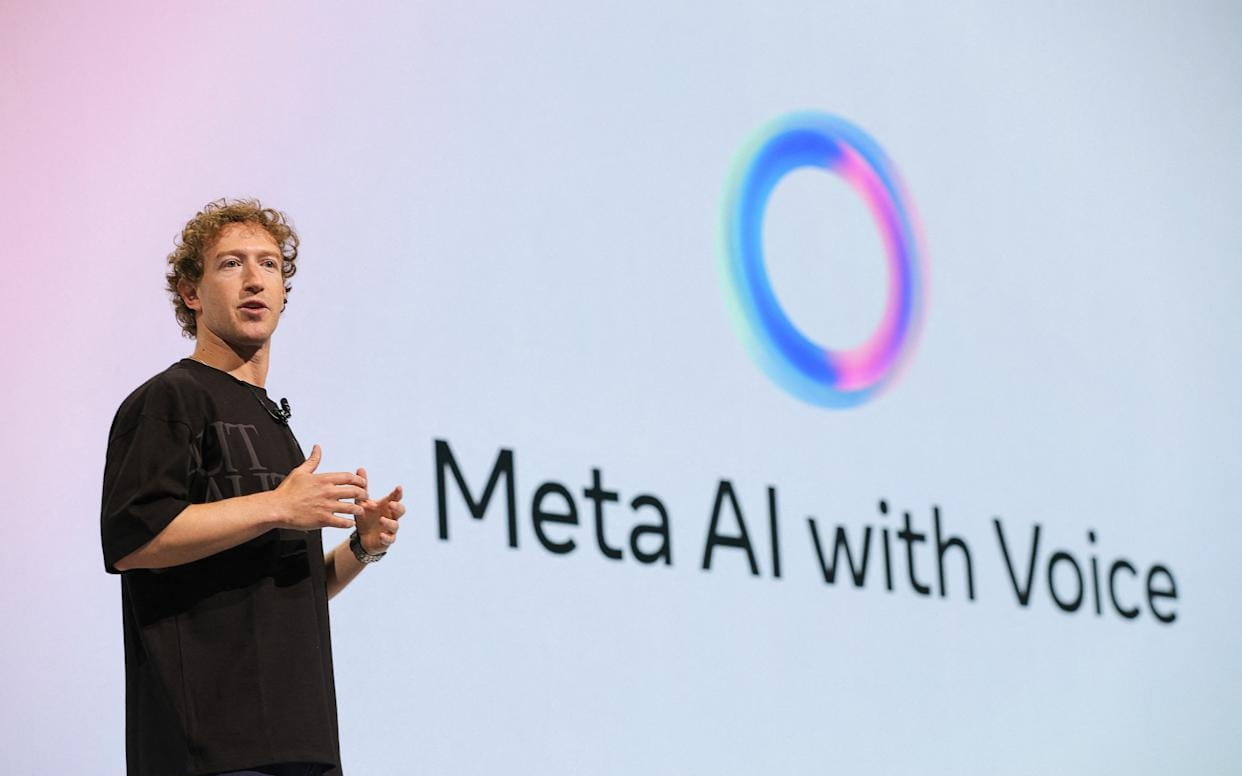
In 2021, Zuckerberg renamed Facebook to Meta, fully betting on the metaverse. Meta made Reality Labs its core engine, investing over $20 billion in the development of the Quest series VR headsets, and spending $18 billion to create the virtual social platform Horizon Worlds, while also planning to develop the Horizon OS system into the 'Android system of the new era.'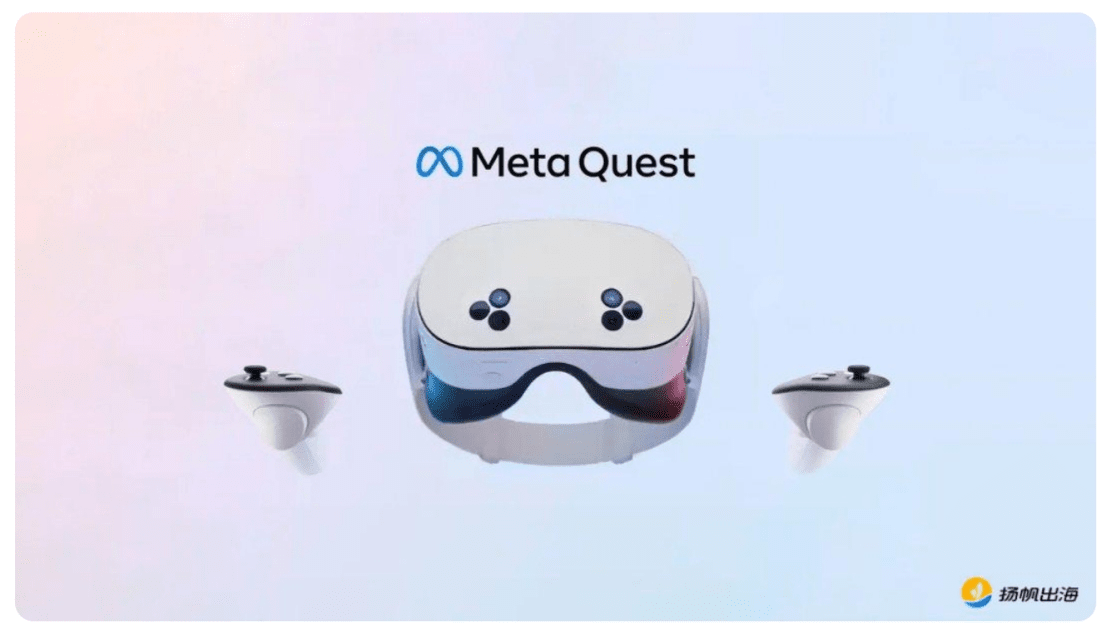
However, financial data shows that Reality Labs has accumulated losses of over $70 billion in the past five years. In 2024 alone, the loss reached $13.2 billion, while the revenue during the same period was only $2.1 billion. Although Quest headsets have cumulative sales of tens of millions, more than half of the users stopped using them after just a few uses. Horizon Worlds had 3 million registered users at the beginning, but the user base quickly dwindled, with less than 150,000 daily active users in the fourth quarter of 2024.
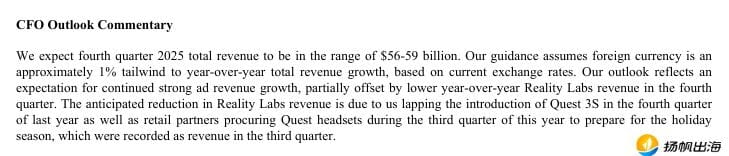
Faced with continuous losses, Meta began to adjust its strategy. In December 2025, Meta announced a budget cut of up to 30% for departments related to the metaverse and suspended the cooperation plan for Horizon OS system to open up to third parties. The layoffs in early 2026 directly targeted core departments, with more than 1,500 people laid off, most of whom were core developers of metaverse projects, and several VR game studios were also directly closed.

At the same time, Meta is fully shifting its resources to the AI field. Meta has not only invested heavily in acquiring AI companies like Scale AI and Manus but has also partnered with brands like Ray-Ban and Oakley to develop AI smart glasses. Among them, the Ray-Ban Meta smart glasses, developed in collaboration with EssilorLuxottica, have performed excellently. The original goal of producing 10 million pairs by the end of 2026 is expected to be achieved ahead of schedule, and both parties are discussing raising the annual production capacity to 20 million pairs.

全联并购公会信用管理委员会专家安光勇认为,“AI跑赢了时间,元宇宙透支了预期”。他表示,在大模型的带动下,AI已进入“价值变现期”,而元宇宙仍处于“基建投入期”,5年亏损700亿美元在当前的资本市场已难以持续。中国移动通信联合会元宇宙产业委员会执行主任于佳宁认为,Meta的举动是资本市场向商业化现实的理性回归,元宇宙产业正从过度炒作进入务实的挤泡沫和技术积累阶段。
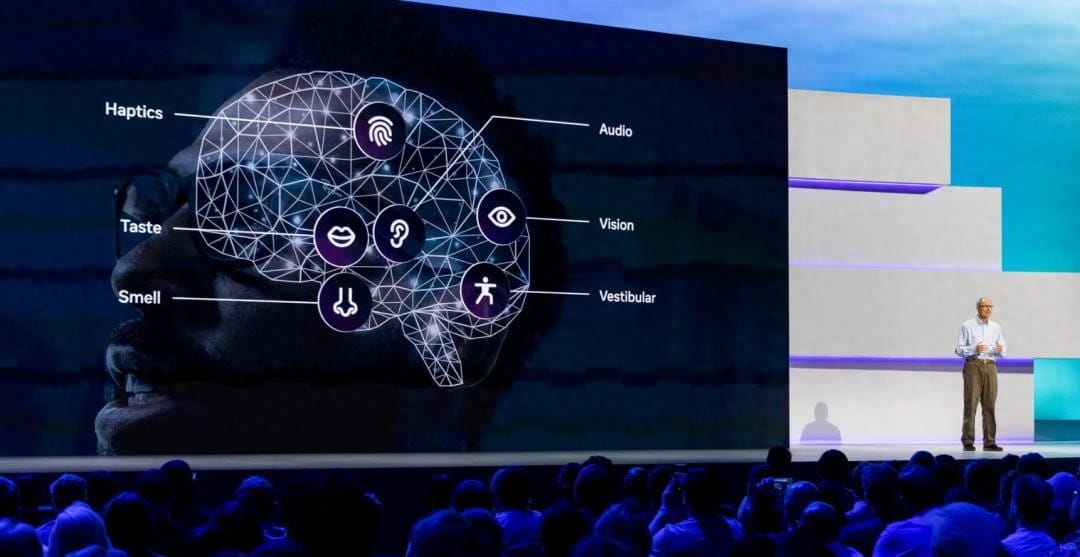
It is worth noting that Meta's transformation is not an isolated case. Large companies like Microsoft and Disney have also ventured into the metaverse, but later scaled back related businesses. Currently, the metaverse industry faces bottlenecks such as technological maturity, business models, and content ecosystems, and has not yet formed core application scenarios. Mismatched user experience pain points and demands also constrain its development. However, in the future, AI is expected to become the 'generator' of the metaverse, and Meta's shift towards AI is also preparing for the 'high-intelligence metaverse' of the future.