An upgrade of infrastructure, rather than a market benefit
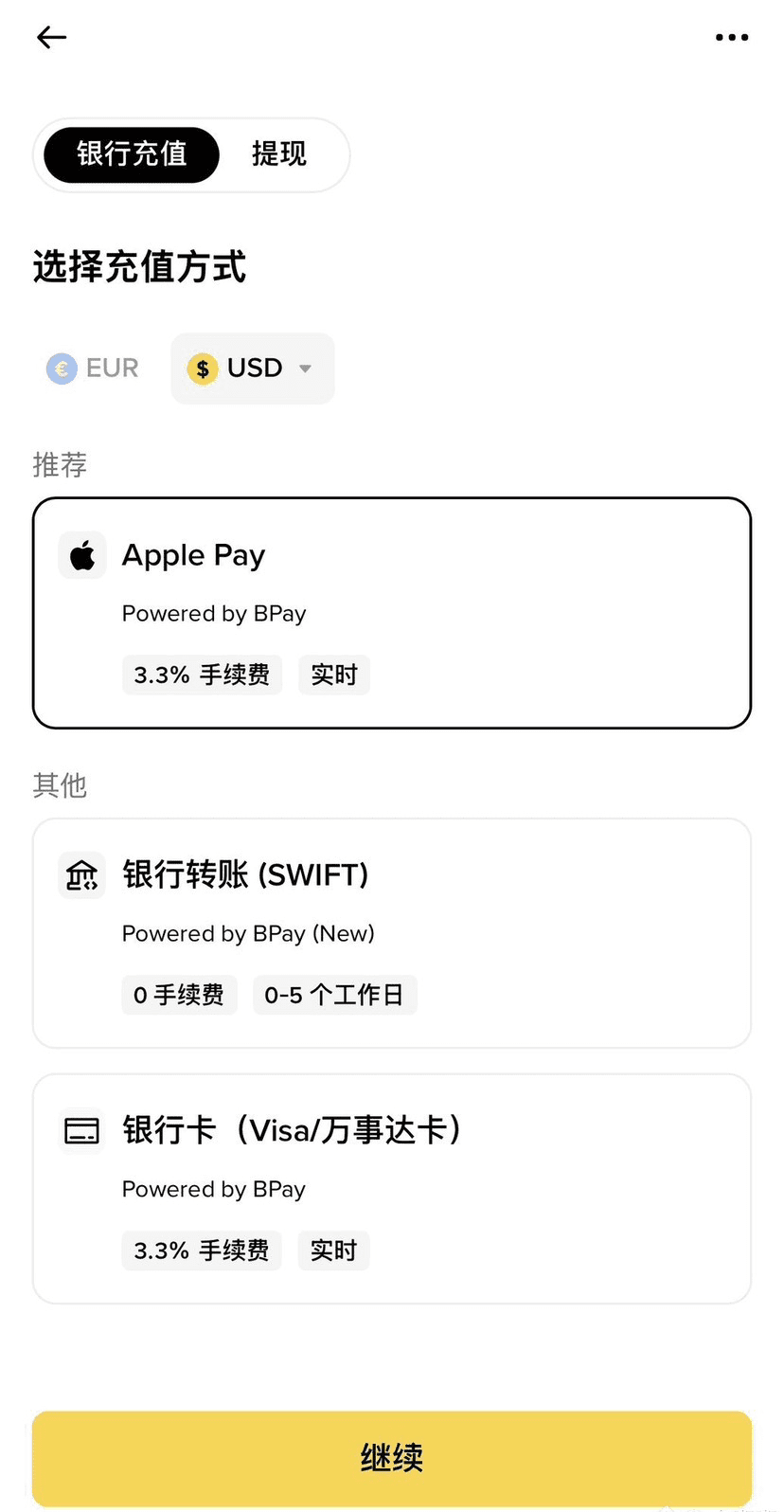
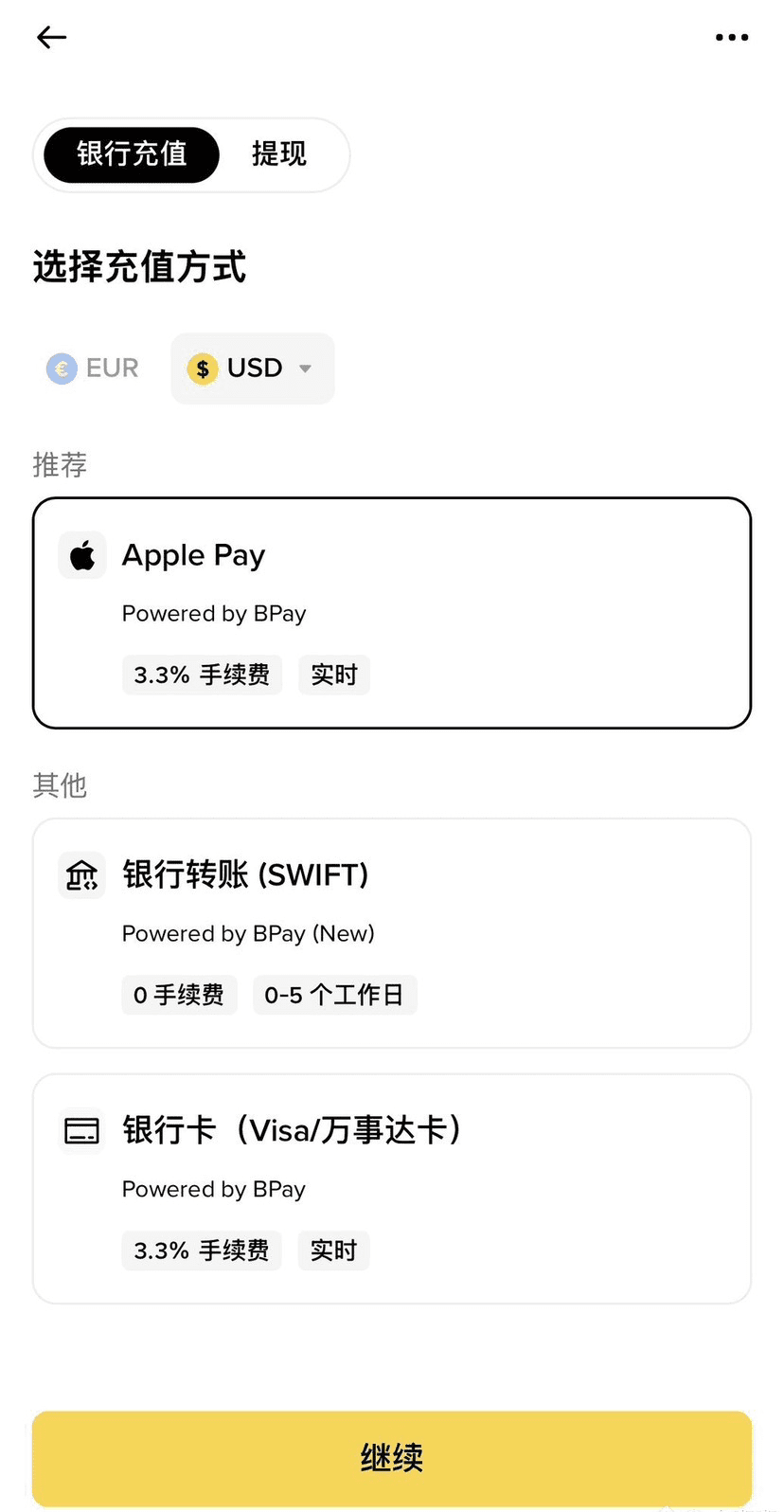
Recently, Binance has added an option in accounts in some regions: users can exchange cryptocurrency for fiat currency and directly withdraw to their bank card or card (e.g., Mastercard). #Binance adds fiat direct withdrawal to bank card#加密市场观察
This news has been simply understood in the community as making withdrawals more convenient, but if we only stay at this level, it actually overlooks a more important point behind it: this is an optimization of infrastructure and compliance pathways at the exchange level, rather than a change in trading functions or market levels.
1. What exactly happened?
From the user's perspective, the changes are very intuitive.
The common path in the past was: cryptocurrency to fiat, then to bank transfer (or third-party payment). Now, in some regions, it has changed to: cryptocurrency to fiat directly withdrawn to bank cards, meaning that Binance has introduced a settlement method that is closer to traditional financial systems for fiat withdrawals. It should be emphasized that this is an addition to the fiat withdrawal path, not a new trading product, nor a change in matching logic.
2. How does this feature work?
From a process perspective, it is actually very traditional:
1. Users sell cryptocurrency on Binance and obtain fiat balances.
2. Choose to withdraw to a bank card.
3. Settle fiat through payment partners to personal bank cards.
The core of this step is not on-chain, but whether the interface between exchanges and the banking system, card organizations, and payment service providers is seamless. This is a financial infrastructure issue, not a blockchain technology issue.
3. What problem does it really solve?
This change truly addresses a long-standing challenge: how centralized exchanges can more smoothly return funds to the traditional financial system. In many regions, the complexity of the withdrawal experience arises from bank compliance reviews, unstable payment channels, excessive intermediary steps, and uncertain arrival times. The addition of card withdrawals essentially shortens the path, reduces intermediate nodes, and increases settlement certainty.
4. Which users find this more meaningful?
For ordinary users, there are fewer withdrawal steps, and the path is closer to traditional financial habits.
For high-frequency trading users, the impact is relatively limited, as they are more concerned about limits and fees.
For DeFi native users, there is almost no impact, as funds still primarily circulate on-chain. Therefore, this feature is more focused on optimizing the experience for general users.
5. Why is this change worth noting?
It reflects three things that centralized exchanges must solve to exist long-term: compliance sustainability, connection capability with traditional financial systems, and certainty in user deposits and withdrawals. Withdrawing fiat to cards indicates that exchanges are addressing a previously problematic and often overlooked infrastructure shortcoming.
6. Limitations and reality: This feature is not universally available worldwide, and the actual experience highly depends on the local regulatory environment. It is not a permanent guarantee, but a phase-available withdrawal path. In the long term, the real bottleneck in the cryptocurrency industry is often not on-chain, but off-chain. Those who can more stably, compliantly, and with lower friction convert on-chain value to real-world funds are more likely to retain users.#加密市场观察 #bnblauncpool #TMTG #BNBMoon #BNB走势