

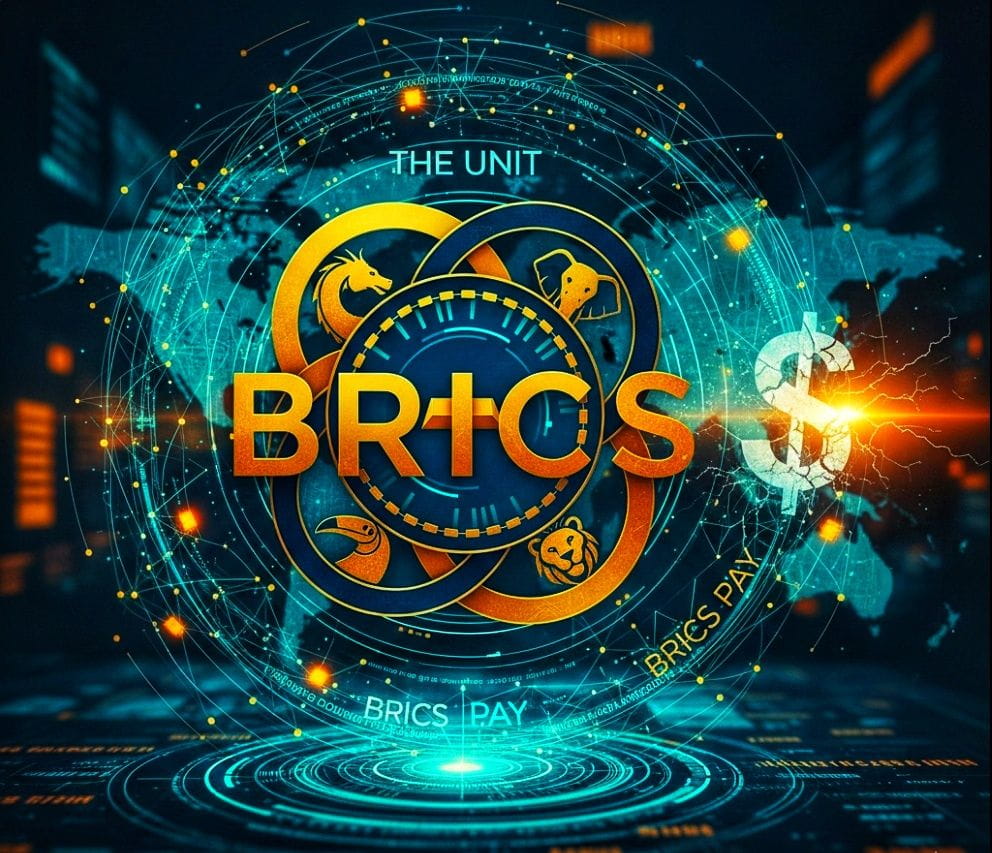
In recent months, the countries that make up BRICS (Brazil, China, Russia, India, South Africa, and other associate members) have intensified discussions and research on financial mechanisms that reduce dependence on the dollar in international transactions. This movement has been analyzed by experts in global economics as part of efforts for dedollarization and strengthening intra-bloc trade.
One of the most talked-about projects recently is the creation of a digital unit of account called 'The Unit', an instrument that could be used for trade settlement among member countries. This initiative, launched as a pilot, combines a basket of BRICS currencies backed by gold and is designed to explore alternatives to the dominant role of the dollar in cross-border payments.
At the same time, BRICS has developed its own payment system called BRICS Pay, which aims to facilitate transfers using local currencies of the countries, reducing costs and exposure to sanctions from Western financial systems like SWIFT.
International experts emphasize that, although these initiatives represent important steps towards a more independent financial architecture, they do not yet imply that the dollar has been replaced or that a global BRICS currency is in open circulation. The complexity of establishing a new global monetary standard and the deep liquidity of the dollar maintain its dominant position in the short term.
This set of initiatives signals an attempt to reduce the dependence of emerging economies on the American currency, with potential long-term impacts on the global financial system, even though the scenario of an 'immediate threat' to the dollar as a global reserve remains uncertain.


