
At 9:30 AM Eastern Time on January 22, the opening bell of the New York Stock Exchange had a slightly metallic ring compared to usual - it was the echo of 60 million private keys colliding in the safe.
BitGo (code: BTGO) priced at $18, opened at $22.43, a 25% jump is not epic, but it flooded the trader group: 'Don't focus on the K-line, what you're looking at is the foundation of a new track.'
1. Why is it said that BitGo's IPO = 'crypto water, electricity, and coal' public offering?
1. Asset side: $16 billion AUM, 4,900 institutional clients, of which 8 out of the top 10 ETF issuers.
2. On the revenue side: stripping away 'transaction money', the core net income in 2025 is $196 million, with subscription fees accounting for 48%, gross margin > 70% — a typical SaaS curve.
3. On the regulatory side: holding dual trust licenses in South Dakota and New York, it is one of the few native crypto companies in the SEC's 'qualified custodians' whitelist.
In summary: Whether Bitcoin rises or falls, it collects rent; whether the ETF is hot or not, it takes a commission, equivalent to packaging 'utilities' into a single stock.
Two, is the market's 10× PS really expensive?
Horizontally looking:
• Coinbase market cap/net income ≈ 8×, but 80% of revenue relies on trading, highly cyclical;
• Traditional custodian giant BNY Mellon ≈ 12×, growth rate only in single digits;
• BitGo's three-year net income CAGR is 54%, with 10× just right in the middle of 'growth stocks' and 'financial stocks'.
Vertically looking:
In 2026, staking + stablecoin as a service (SCaaS) is expected to contribute an additional $50 million, with PS dropping to 7.6× — as long as ETF funds continue to flow in, valuations can rapidly dilute.
What Wall Street fears most is not being expensive, but being unclear. BitGo breaks down revenue into 'subscription + staking + liquidation' trio, each corresponding to traditional financial benchmarks, making the model naturally easier to give a premium.
Three, tokenized stocks: a 'DeFi Trojan Horse'
On the day of listing, BitGo moved 1% of circulating shares on-chain through Ondo Finance, trading simultaneously on Ethereum/Solana/BNB Chain.
Don't underestimate this 1%, it turns 'NASDAQ clearing T+2' into 'block time 12 seconds', potential gameplay includes:
• Use BTGO stocks as collateral to borrow USDC and leverage;
• On-chain ETFs, one-click assemble BitGo + Coinbase + MicroStrategy 'crypto index';
• Can be traded 24 hours, allowing Asian users to avoid US stock hours.
Compliance + native, one side is the SEC registered ISIN code, the other side is the contract address starting with 0x, BitGo has created a 'TradFi/DeFi' dual charging point for itself.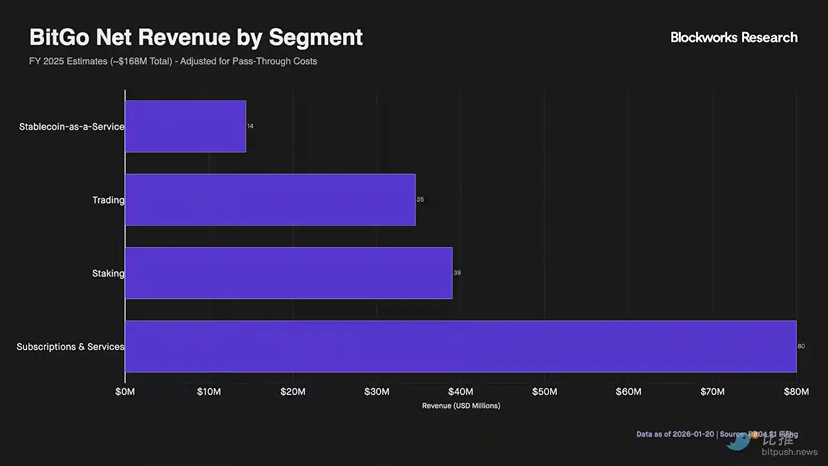
Four, the 'hidden line' of the 2026 IPO wave: infrastructure > applications
From the 2025 bullish, Circle, Gemini, to 2026 BitGo leading, the SEC's review criteria have clearly shifted to 'heavy assets, heavy compliance, heavy recurring revenue'.
According to PitchBook statistics, there are at least 7 crypto IPOs in the queue, all focused on 'infrastructure':
• Kraken: trading + custody dual engine, valuation or impact $15 billion;
• Consensys: packaging Infura + Linea + MetaMask into 'Ethereum AWS';
• Ledger: 120 million private key chips, selling hardware is just an entry point, followed by subscription recovery services.
Market logic has shifted from 'who has more users' to 'who has more private keys', after all, users may churn, but the AUM from private keys will not.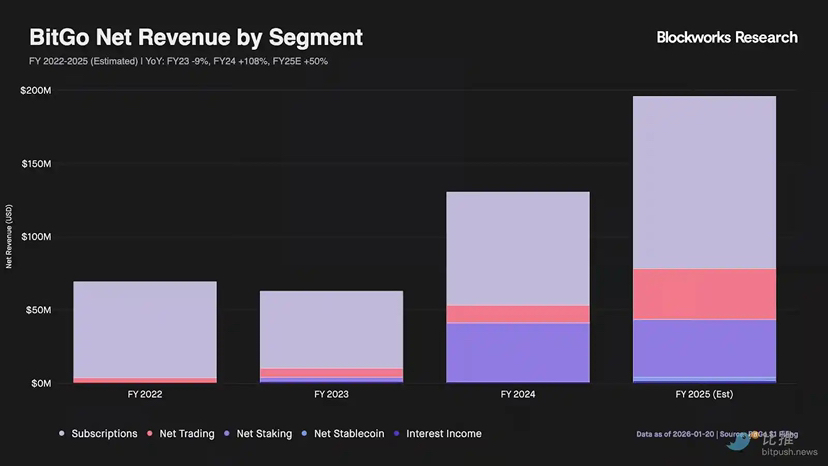
Five, how should retail investors take advantage of this wave of dividends?
4. Want to get in directly: BTGO currently at $22 range corresponds to only 1.5× PEG, below the average of high-beta crypto stocks, can build a bottom position on dips, but set a 15% stop loss — it is still affected by market fluctuations.
5. Want to diversify risk: After BitGo is included in the NASDAQ Financial Select, hold indirectly through ETFs (like XLF) to reduce the impact of a single stock.
6. Want to leverage: Keep an eye on the on-chain BTGO tokenization pool, once Aave/Compound is included as collateral, you can use 'stocks → stablecoins → high-yield DeFi' three-layer nesting, but remember to calculate the liquidation line carefully.
7. Want to mine early: BitGo has opened the 'SCaaS' whitelist, helping institutions issue stablecoins, ordinary players can participate in node validation or insurance funds, earning dual returns from staking + penalties.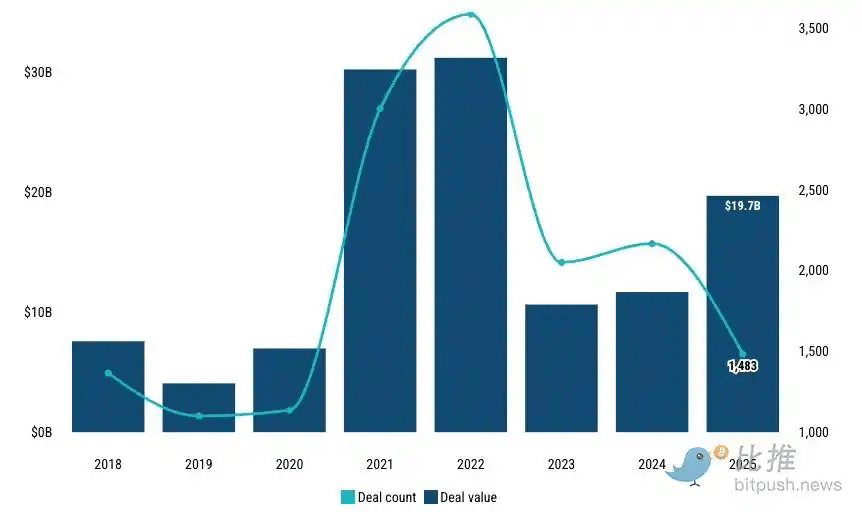
Six, written in the resonance of the bell
Ten years ago, BitGo wrote the first line of code for Multi-sig in a garage in Palo Alto;
Ten years later, the same string of code sustains 4,900 institutions, $16 billion in assets, and nearly $200 million in net income.
It tells the market: selling shovels is not a last resort, but turning cycles into compound interest.
The crypto story in 2026 is no longer just about '100x coins', but more about this phrase —
"Regardless of bull or bear markets, as long as the private keys are still in the safe, the bell can continue to ring."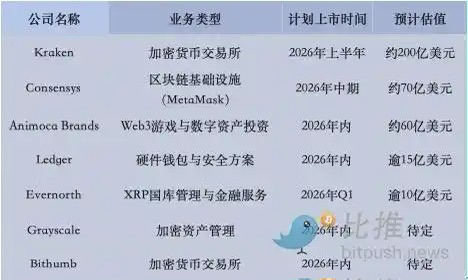
If you think this kind of 'stable happiness' is worth being seen,
Give a follow, like, and share with friends still chasing altcoins,
Tell me in the comments:
#BitGo goes public, will you buy its stocks or continue buying Bitcoin?
See you in the comments! #达沃斯世界经济论坛2026 #特朗普取消对欧关税威胁 #美国加密市场法案延迟 #下任美联储主席会是谁? #特朗普对欧洲加征关税 $BTC


