

Stablecoins are increasingly being adopted across Africa as a faster and cheaper method for sending money, with remittances now seen as ‘more important than aid’ for many people on the continent, according to economist Vera Songwe, a former United Nations under-secretary-general speaking at the World Economic Forum in Davos, Switzerland.
MILESTONE | Kenya Diaspora Remittances Hit Historic KES 1 Trillion (~$7.7 Billion) by November 2025, Says Prime Cabinet Minister
Songwe highlighted that traditional money transfer services in Africa can cost around $6 for every $100 sent, making cross-border payments not only expensive but slow. By contrast, stablecoins significantly lower fees and settlement times, enabling individuals and small businesses to move funds across borders in minutes instead of waiting days for transfers to complete.
REPORT | Sub-Saharan Africa Remains the Most Expensive Region for Sending Remittances, Says Latest World Bank Research
She also pointed to high inflation above 20% in roughly 12 to 15 African countries since the COVID-19 pandemic and explained that stablecoins offer a way to store value in currencies that are less affected by inflation, effectively acting as a financial safety net. Songwe noted that about 650 million people in Africa lack access to a bank account, but with a smartphone, they can use stablecoins to preserve value in a more stable currency.
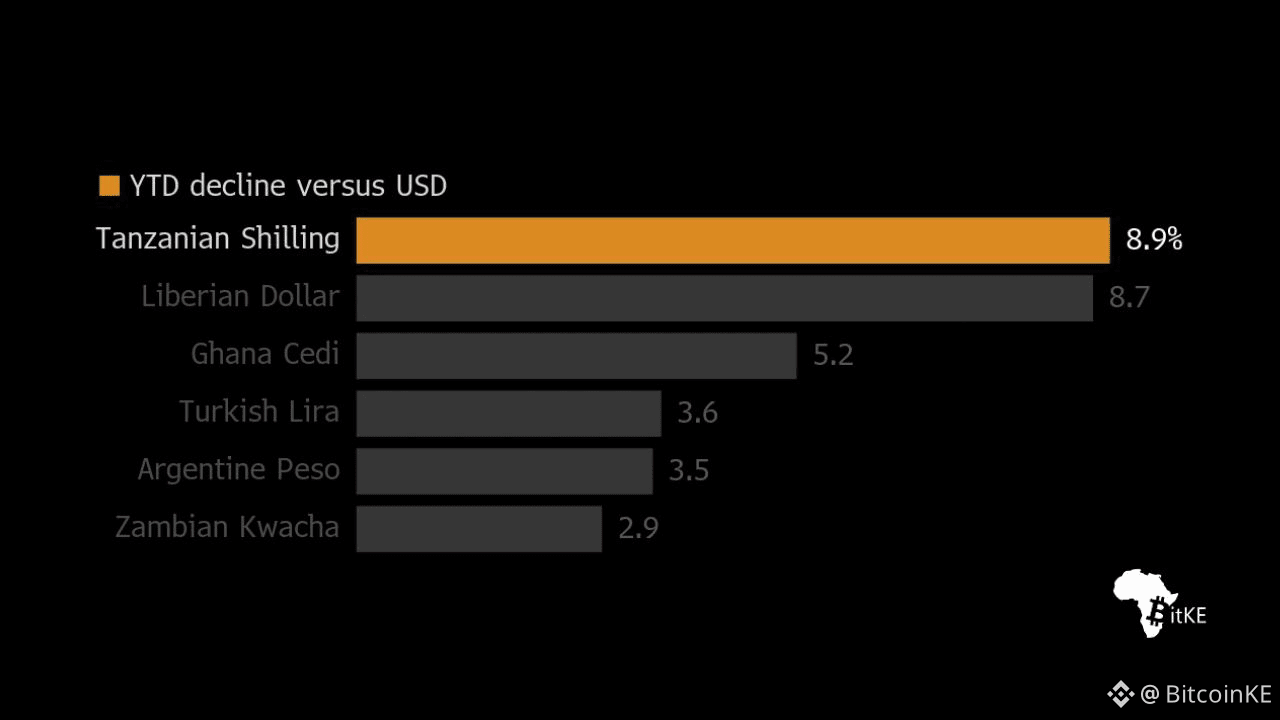
According to Songwe, usage of stablecoins is especially high in Egypt, Nigeria, Ethiopia and South Africa, where inflation or strict capital controls have limited traditional financial options.
REPORT | Stablecoin Transfers Account for 43% of All Crypto Transfers Across Africa, Ethiopia is Fastest-Growing Market, Says Chainalysis
She added that most stablecoin transactions involve small and medium-sized enterprises, showing how these digital assets are helping expand financial inclusion.
EDITORIAL | Western Union’s Regulated USDPT Stablecoin Could Redefine Remittances in Africa
Songwe now leads the Liquidity and Sustainability Facility as its chair and founder and serves as a non-resident senior fellow at the Brookings Institution. She previously held roles as a UN under-secretary-general and as executive secretary of the UN Economic Commission for Africa.
A Chainalysis report from September shows that Sub-Saharan Africa is one of the world’s fastest-growing regions for cryptocurrency adoption. Between July 2024 and June 2025, the region received more than $205 billion in on-chain value, a roughly 52% year-over-year increase, ranking it third globally.
REPORT | Sub-Saharan Africa is the 3rd Fastest-Growing Region Globally in OnChain Value
As digital asset use expands, responses from national regulators vary.
In December 2025, Ghana legalized cryptocurrency trading through a Virtual Asset Service Providers bill, creating a formal framework for the industry.
REGULATION | Ghana Passes the Virtual Asset Service Providers Bill Officially Legalizing Cryptocurrencies
In January 2026, Nigeria implemented new rules requiring crypto service providers to link transactions to users’ tax IDs to bring activity into the formal tax system.
REGULATION | Nigeria Starts Implementing CARF Requirements by Tying Crypto Transactions to Tax and National IDs
Meanwhile, the South African Reserve Bank has warned that crypto assets and stablecoins pose an emerging financial stability risk as adoption grows.
REGULATION | South African Central Bank Warns ‘Crypto & Stablecoins Pose Financial Stability Risk’
Stay tuned to BitKE on stablecoin growth in Africa.
Join our WhatsApp channel here.
Follow us on X for the latest posts and updates
Join and interact with our Telegram community
___________________________________________