
After trading crypto for a few cycles, you start separating projects built for noise from those built for use. Attention is loud. It shows up as spikes in volume, trending hashtags, and sudden interest that disappears just as fast. Behavior is quieter. It’s what users, applications, and systems do repeatedly, even when no one is watching. Vanar sits firmly in the second category, and that’s why it’s been slowly entering serious conversations among traders and developers over the past year.
Around 2024, the market mood shifted. Capital became more selective, and infrastructure projects were no longer judged only by promises or roadmap slides. People started asking basic questions again. Who is using this? What’s running on it today? What happens when activity scales beyond a demo? Vanar began trending not because of a single viral event, but because it aligned with that change in mindset. Its core idea is simple: blockchains should support everyday behavior, not just moments of attention.
When we talk about behavior in this context, we’re talking about repeatable actions. Transactions that happen thousands of times a day. Data that needs to be stored, referenced, and reused. Automation that runs without constant human input. Many networks technically allow this, but weren’t designed around it. Fees fluctuate wildly, execution assumptions break down, and systems become fragile under real load. Vanar’s approach focuses on predictability and structure, which sounds boring until you realize boring is exactly what long-term infrastructure needs to be.
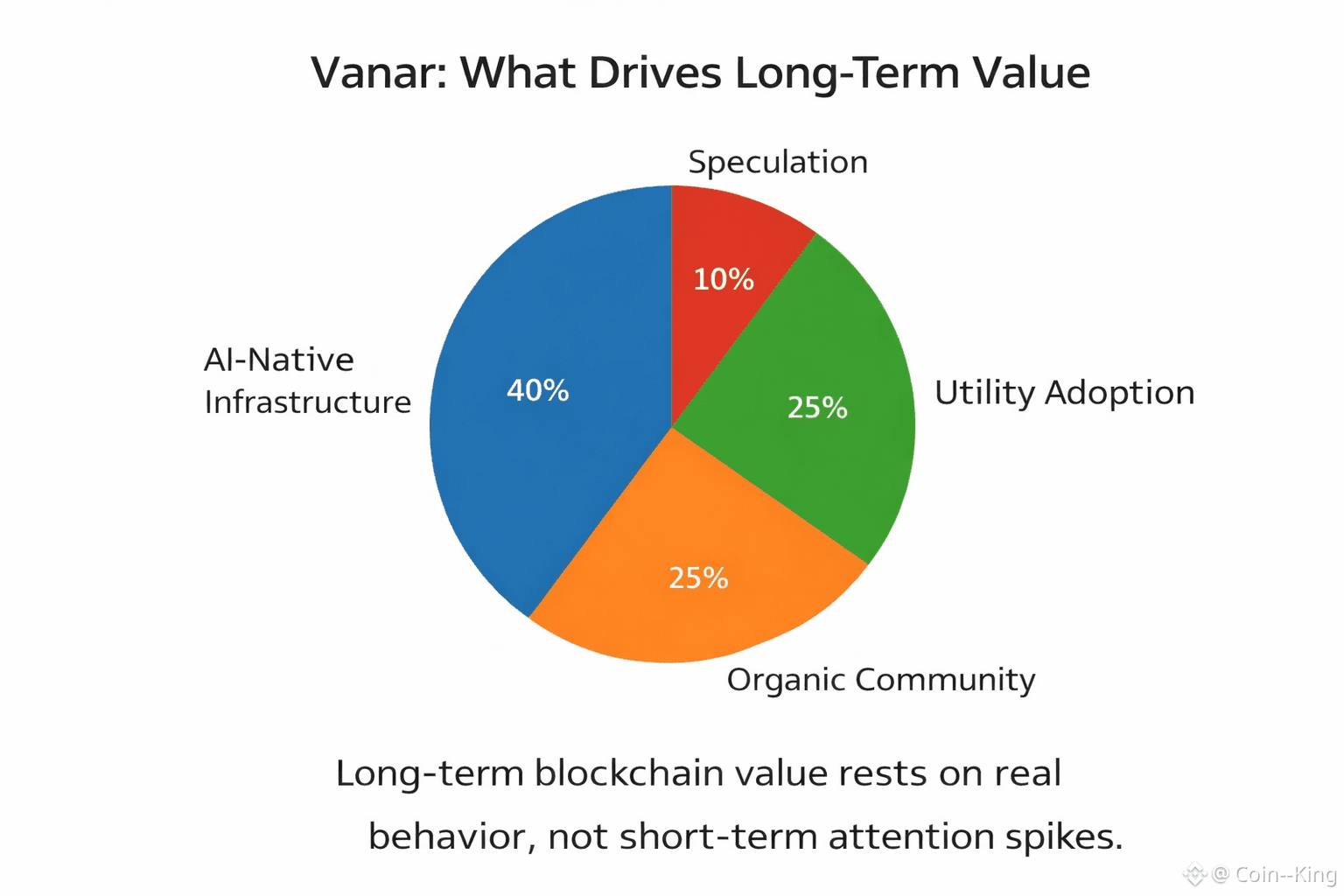
One reason Vanar keeps coming up in discussions is its positioning around AI-era usage. AI is often treated like a feature, bolted onto existing chains. In practice, that means AI systems run off-chain, while the blockchain just records outcomes. Vanar pushes toward infrastructure that can better support machine-driven activity. Terms like “AI-native” can sound vague, so it helps to simplify. It means the chain is designed with the assumption that software, not just humans, will be interacting with it continuously. Machines don’t care about hype cycles. They care about consistency, memory, and reliable execution.
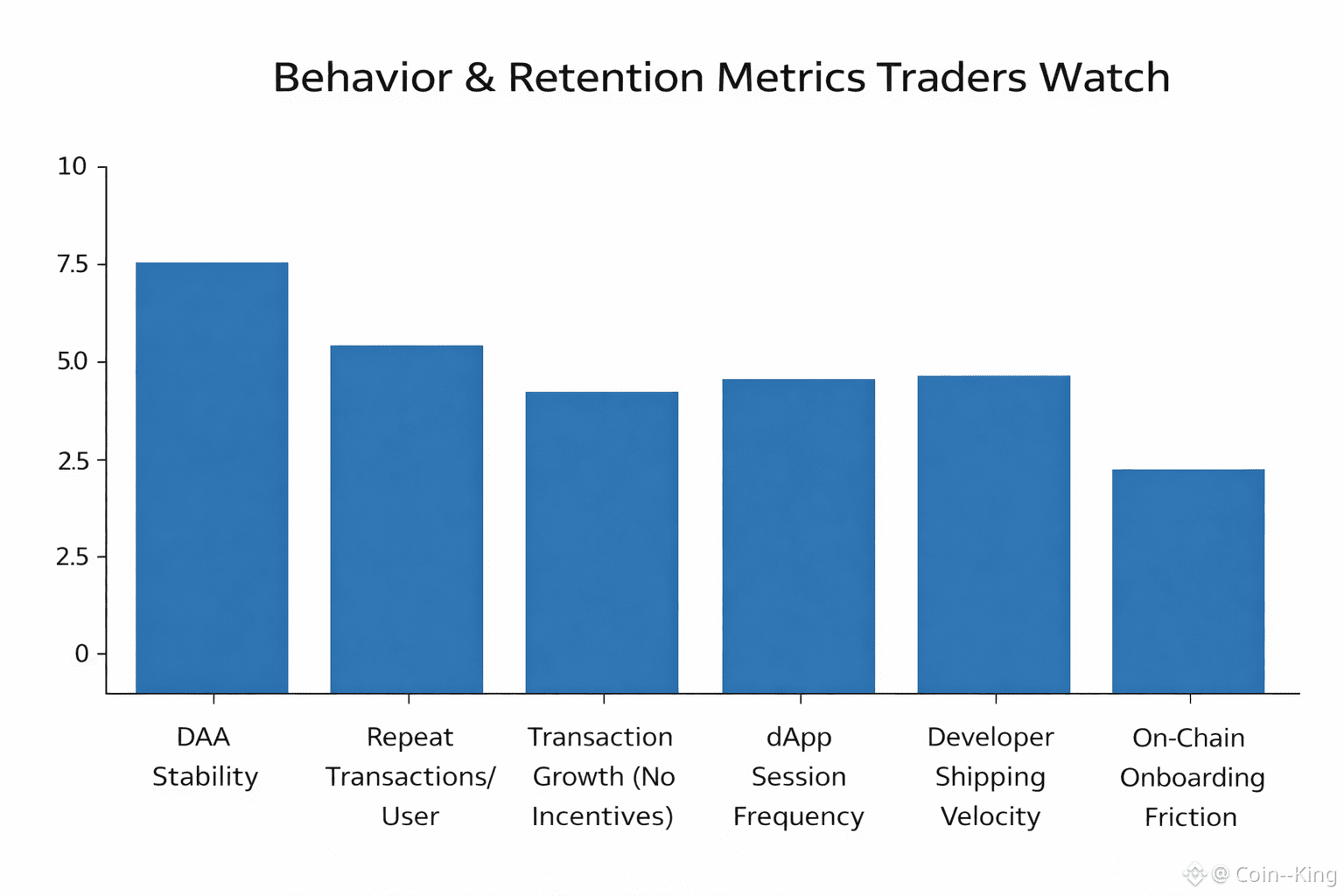
Progress matters more than slogans. Over 2024 and into 2025, Vanar has moved from conceptual framing into visible development. Cross-chain availability, tooling improvements, and live components have reduced friction for builders. That’s usually the stage where speculative interest is low, but foundational value starts forming. From a trading perspective, this is often where risk shifts from “will this ever work?” to “how long until usage shows up in the data?”
Technical terms can scare people off, but most of what’s happening here is intuitive. Predictable fees mean costs don’t suddenly spike when usage increases. On-chain reasoning refers to logic that can be verified and executed transparently instead of relying entirely on off-chain processes. Native memory, in simple terms, is the ability for systems to reference prior information without reinventing context every time. None of this guarantees success, but it removes common failure points that show up when projects try to scale.
Personally, I’ve learned to watch what networks look like during quiet markets. Anyone can look impressive during a hype cycle. The real test is whether development continues and whether systems are built for users who aren’t speculating. Vanar feels like it’s designed for that environment. It doesn’t require constant attention to function, and that’s the point.
For developers, the appeal is practical. If you’re building something meant to run daily, you don’t want infrastructure that behaves differently every week. For investors and traders, the signal isn’t in short-term price movement, but in whether usage patterns can compound over time. Attention fades. Behavior sticks.
That’s why Vanar’s positioning matters. Not because it’s loud, but because it’s quiet in the right way. In a market slowly learning to value durability over excitement, that distinction is becoming harder to ignore.di@Vanarchain #Vanar $VANRY
