

Vanar Chain was built around one clear goal: helping normal people feel comfortable using blockchain technology. The team believes that most users don’t avoid crypto because they don’t understand it — they avoid it because it feels stressful. Unclear fees, slow confirmations, and complicated onboarding turn curiosity into hesitation. Vanar exists to remove that fear before it appears.
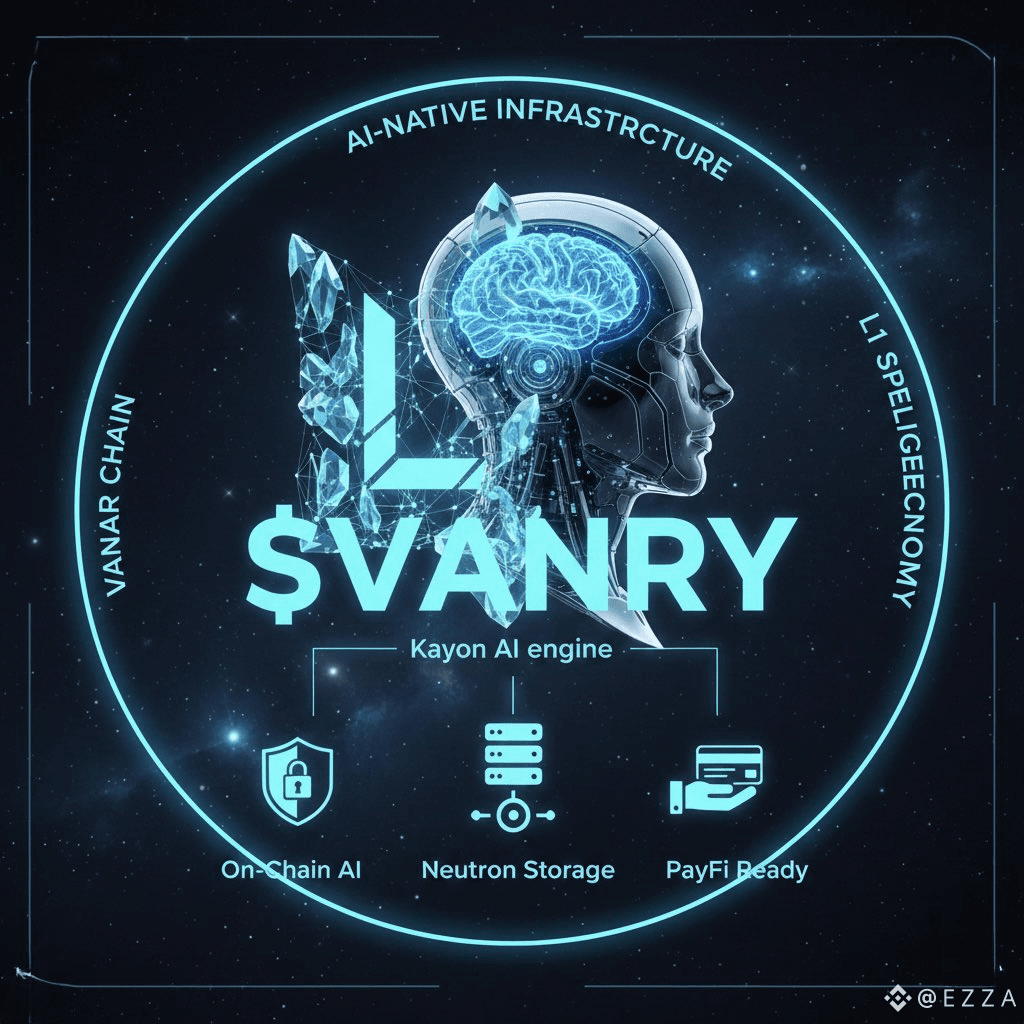
Vanar is a Layer 1 blockchain designed for mass-market use. That focus shapes every decision the network makes. Instead of chasing extreme decentralization or experimental designs, Vanar prioritizes reliability, predictability, and familiarity. The idea is simple: people should feel safe clicking “confirm” without worrying about surprises.
For developers, Vanar chooses familiarity over friction. The chain is fully EVM compatible and built on a Geth-based execution layer. This allows teams to use tools they already know while deploying applications meant for impatient, fast-moving users. Games, marketplaces, and consumer apps don’t survive uncertainty — Vanar is tuned specifically for those environments.
One of Vanar’s strongest promises is predictable fees. The network is designed so that users pay around $0.0005 per transaction, even if the market value of the VANRY token rises. This removes the anxiety users feel when fees suddenly spike at the worst moment. For consumer applications with many small actions, this predictability is essential — without it, trust fades quickly.
To keep this experience stable, Vanar uses a protocol-level pricing system that regularly updates the value of VANRY using multiple market sources. This allows the network to translate a fixed USD fee into a token amount dynamically. If this system remains resilient during volatility, users feel protected. If it fails, the trust Vanar is trying to build disappears — and the project openly acknowledges that responsibility.
Low fees also attract spam, so Vanar introduces a tiered fee structure. Everyday transactions stay extremely cheap, while large or abusive usage moves into higher fee tiers. This discourages attacks without punishing normal users. The message is clear: regular people should feel welcome, while those trying to overload the network should feel resistance.
Speed is another core pillar. Vanar targets block times of up to 3 seconds with high gas limits to support heavy activity. This isn’t framed as a technical flex — it’s a user experience choice. Fast confirmations keep momentum alive. Slow systems kill excitement, especially in gaming and interactive marketplaces where timing matters.
Fairness also plays a role in user trust. Vanar uses a first-come, first-served transaction ordering model. Transactions are processed in the order they arrive, not reordered based on who pays more. This reinforces the idea that small users matter just as much as large ones. When people feel the system treats them fairly, they stay.
Vanar’s consensus model prioritizes stability early on. The network currently uses a hybrid Proof of Authority and Proof of Reputation approach, with the foundation operating validators while gradually onboarding others through reputation. This design favors reliability for consumer products while setting expectations for governance to expand over time. Trust is earned by transparency and evolution, not promises alone.
The VANRY token powers the network as its gas and incentive asset. It originates from the Virtua ecosystem, with a 1:1 swap from the earlier TVK token. Supply is capped, issuance is long-term, and validator rewards are prioritized. The project emphasizes predictability and avoids hidden allocations, signaling long-term intent rather than short-term extraction.
Adoption matters more than theory. Vanar already supports real products, including Bazaa, a decentralized marketplace for dynamic NFTs with actual in-game and experiential utility. This is important because real adoption shows up when users return — not when hype is loud.
Beyond payments and NFTs, Vanar positions itself as an AI-native blockchain. Tools like Kayon and Neutron aim to make data durable, verifiable, and long-lived. Information can be anchored on-chain for integrity while remaining efficient off-chain. The goal is to prevent important digital context from disappearing over time.
Ultimately, Vanar’s success won’t be measured by attention, but by absence. The best outcome is when users forget the blockchain is there — fees feel invisible, confirmations feel instant, and ownership feels natural. That future isn’t guaranteed. Fixed fees must remain stable, spam resistance must hold, and governance must continue to open.
If Vanar succeeds, it won’t just deliver infrastructure. It will deliver relief — the quiet confidence that lets ordinary people use Web3 without fear, and stay long enough to build something meaningful.