
Come closer, friend let me explain Walrus like we’re sitting with chai in Peshawar. From my seat as a trader who watches real flows, not just shiny slides, Walrus (@Walrus 🦭/acc ) doesn’t scream for attention. It whispers, and that’s why it’s compelling. The crypto market in January 2026 is shifting quietly. Money that once chased flash-in-the-pan DeFi yields or meme narratives is now drifting to protocols that solve unglamorous problems like where big data actually lives when blockchains get serious about scale.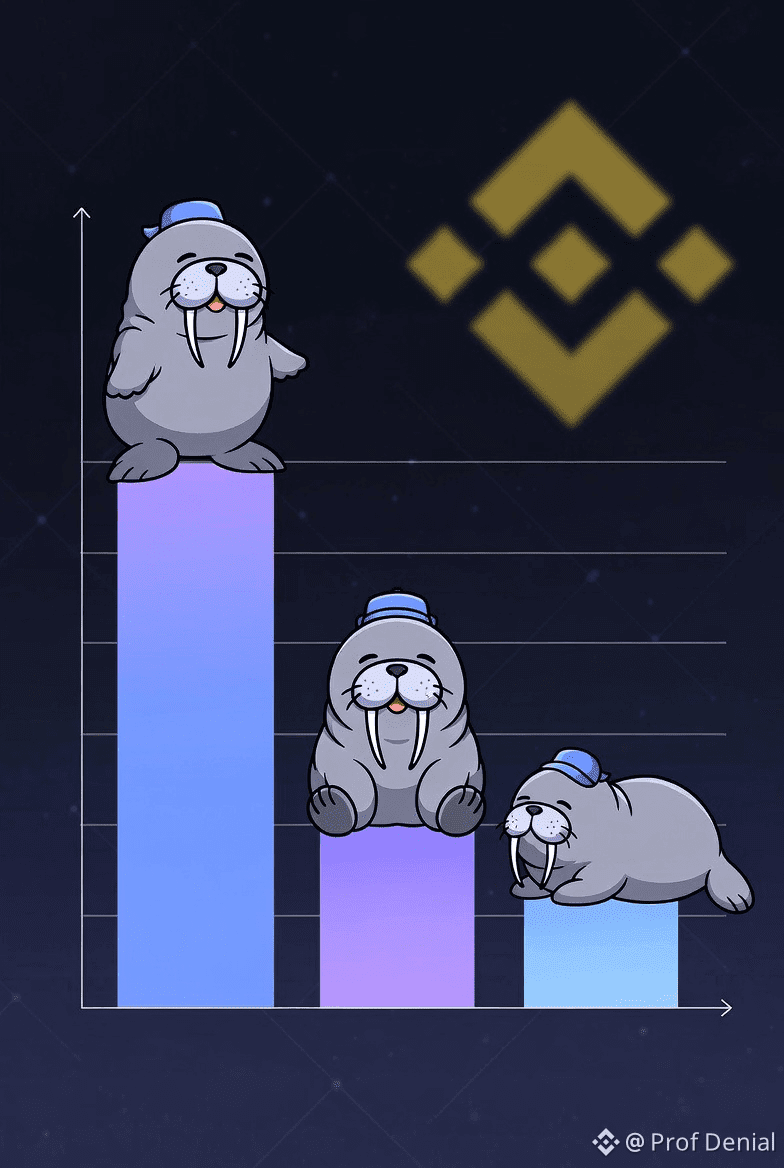
Walrus isn’t reinventing money or governance. It’s tackling a core Web3 bottleneck: efficient, decentralized storage for blobs (videos, AI models, NFTs, game assets, archives). Traditional decentralized options like Arweave or Filecoin are reliable but wasteful they replicate full files multiple times, driving up costs and energy use. Walrus flips that with “Red Stuff” erasure coding: files are split into shards distributed across thousands of nodes. You only need a subset to reconstruct the original, ensuring high availability (even if 50%+ nodes fail) with minimal redundancy (1.5–3x vs 10x+). This makes storage predictable, affordable, and verifiable on the Sui blockchain no trusting central parties, no censorship vulnerabilities.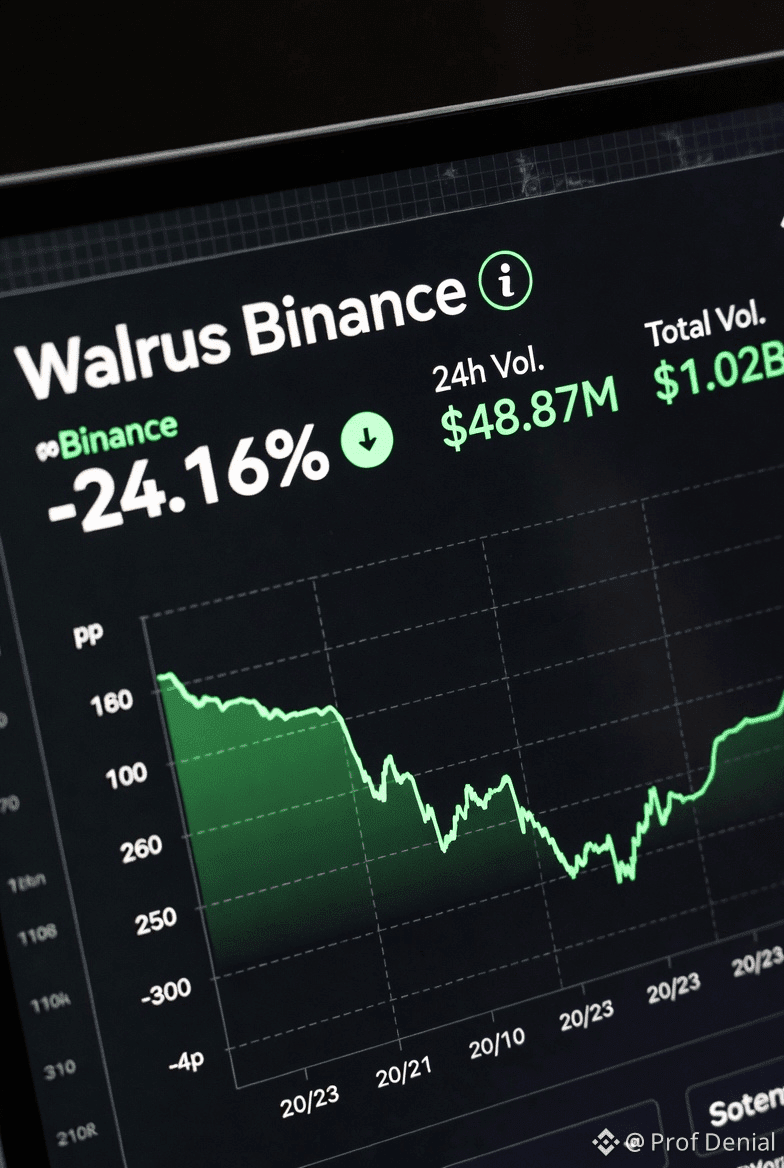
The behavior sets it apart. Data isn’t hoarded; it’s optimized. For devs and enterprises, that means scalable apps without ballooning fees. Real adoption is emerging: Pudgy Penguins stores their entire NFT media library on Walrus for permanent, low-cost access. Early AI data markets and Sui-based games are integrating it for on-chain verifiable assets.
Real facts today (23 Jan 2026): $WAL ≈ $0.149–$0.156, market cap ~$235–$246M, circulating supply ~1.58B tokens, 24h volume ~$20–$22M on Binance. Over 1B $WAL staked locks supply, and fees burn tokens usage creates deflation.
The upside: as chains handle real workloads (AI agents, metaverses, enterprise data), Walrus is early with neutral, scalable storage. The risk: infrastructure only shines when adoption hits. But markets are done with noise; they’re paying for quiet foundations that actually work.
This shows Walrus data shards spread across nodes in a calm, scalable setup the shift to utility in action.
What do you think?
Seeing the market move from hype to real use?
You betting on infrastructure like Walrus?
Holding $WAL or watching? Tell me honestly I’m listening!

