

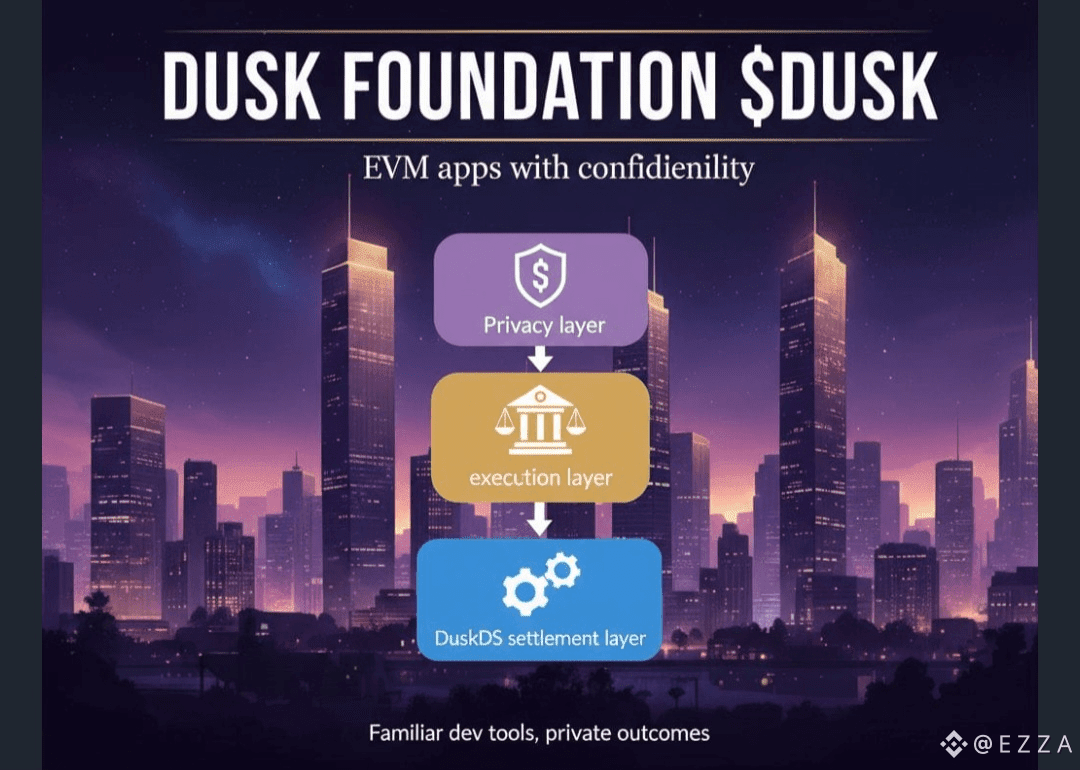
 When it comes to blockchain projects, the way a token is designed can reveal a lot about a project’s true intentions. Many tokens focus on short-term hype—they reward early participants heavily, pump up excitement, and rely on constant new emissions. While this can create buzz, these designs often struggle over time.
Dusk Network takes a completely different approach. Here, tokenomics aren’t meant to generate quick attention—they are built to shape long-term behavior and stability.
The DUSK token is primarily a security asset. Validators stake tokens to support network reliability, uptime, and proper operation. Over time, emissions decrease, avoiding endless inflation and encouraging real, meaningful use of the tokens. Soft penalties are applied to misbehavior—not to destroy capital instantly, but to nudge operators toward consistency while keeping the system stable.
This design encourages behavioral consistency. Validators are motivated to stay reliable rather than chase higher but riskier rewards elsewhere. This is especially important for applications where predictable performance and long-term security matter more than short-term gains.
There is a tradeoff: the system uses light penalties, which means it may take time to influence behavior. Regular monitoring and adjustment are needed to ensure reliability doesn’t quietly degrade. Tokenomics alone can’t force behavior—it only shapes incentives.
Finally, there’s the narrative factor. Tokens designed for stability may not seem exciting during hype-driven market cycles. They may not see massive price surges, but that doesn’t mean the system isn’t working. In fact, stability-focused tokens like DUSK are built for sustainable growth and trust.
In short: DUSK is about creating a reliable, long-term network where security, predictability, and proper incentives matter more than instant hype.
