

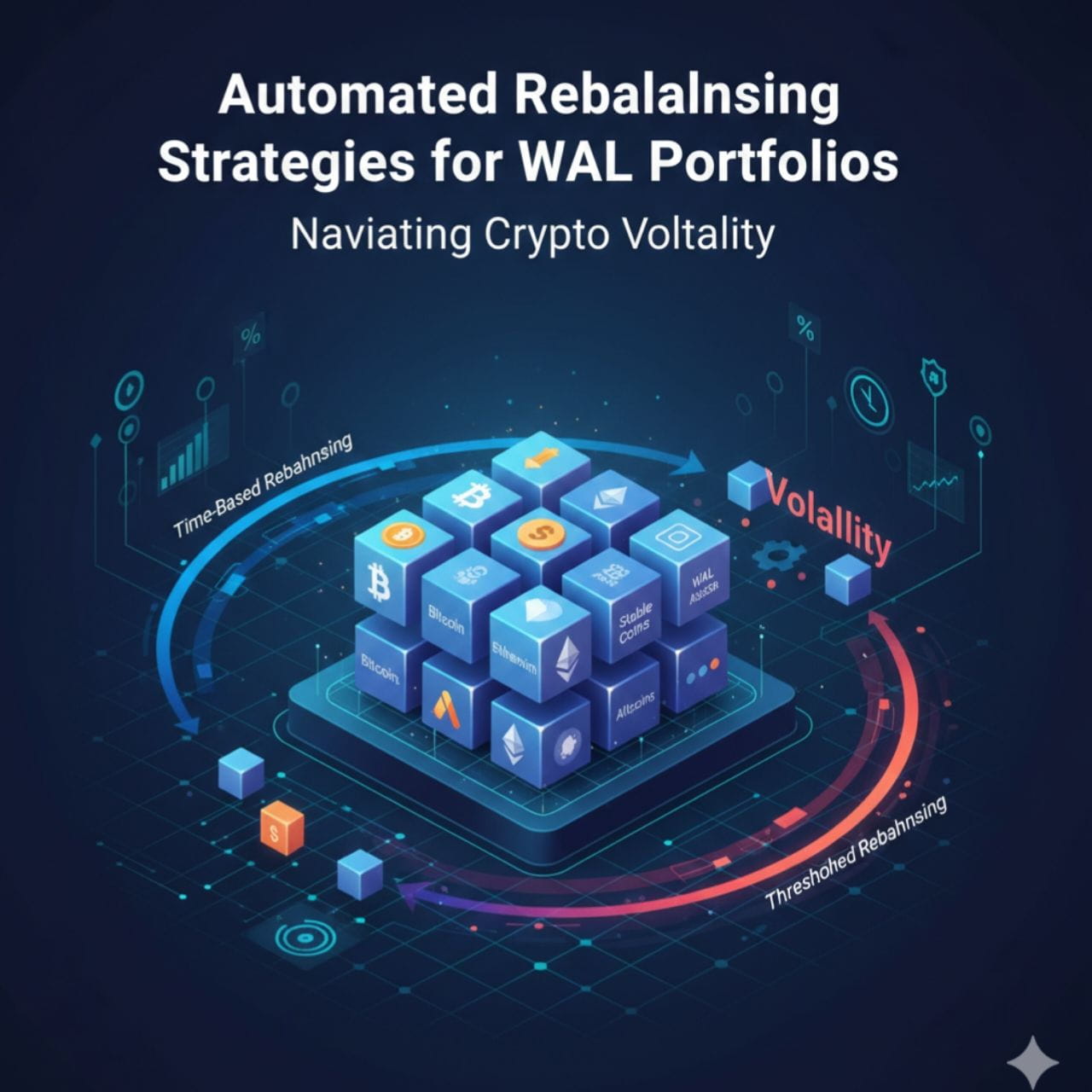
Navigating Crypto Volatility: How Automation Keeps WAL Portfolios Aligned
Successfully managing a crypto portfolio goes far beyond simply picking tokens that you hope will outperform the rest. The reality is, markets are inherently unpredictable and can change directions rapidly—sometimes in dramatic and unexpected ways. Over time, these constant fluctuations can nudge your portfolio away from your intended asset allocation, even if you’re not actively trading. If left unchecked, your risk exposure can shift significantly, potentially undermining your long-term objectives. This is where automated rebalancing becomes indispensable, especially for WAL (Weighted Asset Level) portfolios built around a disciplined allocation plan.
Automated rebalancing allows you to establish your investment rules and parameters in advance. Once set, the system operates in the background, ensuring your asset distribution remains consistent with your original strategy. It minimizes the need for manual oversight and removes the risk of emotional decision-making, which can often lead to costly mistakes—like panic selling during market dips or chasing after sudden rallies. By continually steering your portfolio back to its target allocation, automation preserves the integrity of your investment thesis, even in the face of market chaos.
Understanding Automated Rebalancing
Think of your portfolio like a carefully packed suitcase. If you throw in too many heavy items on one side, things will get lopsided and difficult to manage. Rebalancing is the process of redistributing those items so that everything sits evenly, keeping your suitcase balanced and easy to carry. In investment terms, this means periodically buying and selling assets so that your portfolio maintains the target proportions you originally set. When automated, this process happens according to predefined rules—either on a regular timetable or when your allocations veer too far from your plan—without any manual intervention.
Why This Matters for WAL Portfolios
WAL portfolios are designed with structure and discipline at their core. The whole point is to adhere to a predetermined mix of assets, tailored to your risk tolerance and long-term goals. If you allow your winning assets to balloon unchecked, they can come to dominate your portfolio, increasing your risk exposure far beyond your comfort zone. Meanwhile, lagging assets may become irrelevant, leaving you with an unbalanced and potentially volatile portfolio. Automated rebalancing ensures:
1. Risk is dynamically managed, preventing overexposure to any single asset or sector.
2. Your portfolio remains aligned with your strategic asset allocation, keeping your investment plan on course.
3. Emotional biases—like fear and greed—are removed from the equation, promoting more rational decision-making.
Common Automated Rebalancing Methods
1. Time-Based Rebalancing: The system checks your allocations at fixed intervals—be it monthly, quarterly, or annually—and makes adjustments as needed. This is straightforward and predictable, making it ideal for investors who prefer a set-it-and-forget-it approach.
2. Threshold-Based Rebalancing: Instead of rebalancing on a schedule, the system monitors your portfolio continuously and only acts when allocations deviate by a certain percentage from your targets. This can reduce unnecessary trades, helping to minimize costs and tax implications.
3. Hybrid Approaches: Many investors find value in combining both methods—rebalancing at set intervals but only if the deviation exceeds a certain threshold. This hybrid strategy strikes a balance between discipline and flexibility, ensuring you’re not overtrading but still maintaining alignment.
Key Considerations Before Automating
While automation can be a powerful tool, it’s important not to overlook other crucial factors. Transaction fees, network liquidity, and tax consequences can all impact your returns. For example, frequent rebalancing in illiquid markets or during periods of high volatility can lead to significant slippage and increased costs. Additionally, every trade could have tax implications depending on your jurisdiction, so it’s wise to map out your strategy with these realities in mind. Often, the most effective approach is also the simplest: clear, easy-to-follow rules are not only less expensive to implement but also easier to monitor and adjust as needed.
Staying the Course: The True Value of Automation
Automated rebalancing isn’t a silver bullet for boosting returns, nor is it about endlessly tweaking your portfolio in pursuit of the next big thing. Its core value lies in its ability to foster discipline, consistency, and peace of mind. By ensuring your WAL portfolio remains true to its original blueprint, automation shields you from the noise and emotional whiplash of turbulent markets. This reliability is especially important for long-term investors, as staying committed to a well-constructed plan is often the key to achieving your financial goals.
Getting Started with Automated Rebalancing
If you’re considering setting up or refining a WAL portfolio, begin by defining clear, realistic allocation targets that reflect your risk tolerance and investment horizon. The effectiveness of automation is directly tied to the clarity of your rules—overly complex strategies can be difficult to maintain and may lead to unnecessary friction. Choose a rebalancing method that aligns with your needs, and always factor in costs, liquidity constraints, and potential tax impacts.
Frequently Asked Questions
What exactly is a WAL portfolio?
A WAL (Weighted Asset Level) portfolio is a structured investment portfolio built around a specific mix of assets, designed for disciplined, long-term investing. It prioritizes maintaining a balanced allocation to manage risk and promote steady growth.
Is automated rebalancing suitable for beginners?
Definitely. Time-based rebalancing, in particular, is straightforward to implement and user-friendly, making it a great choice for those new to crypto investing or automated portfolio management.
Will rebalancing help me beat the market?
Not necessarily. The main benefit of rebalancing is risk management and enforcing discipline—it helps you stick to your plan rather than try to outguess the market. While it can smooth your returns and keep your risk profile in check, it doesn’t guarantee outperformance.
Final Thoughts
In the unpredictable world of crypto, sticking to a solid plan is often your best defense against uncertainty. Automated rebalancing brings structure, consistency, and emotional detachment to your WAL portfolio strategy, allowing you to focus on your long-term objectives while the system handles the day-to-day corrections. With the right rules and a clear strategy, automation can be your most reliable ally in staying on track—no matter how wild the markets get.
Disclaimer: The information provided here is for educational purposes only and does not constitute financial advice. Always conduct your own research or consult a financial advisor before making investment decisions.

