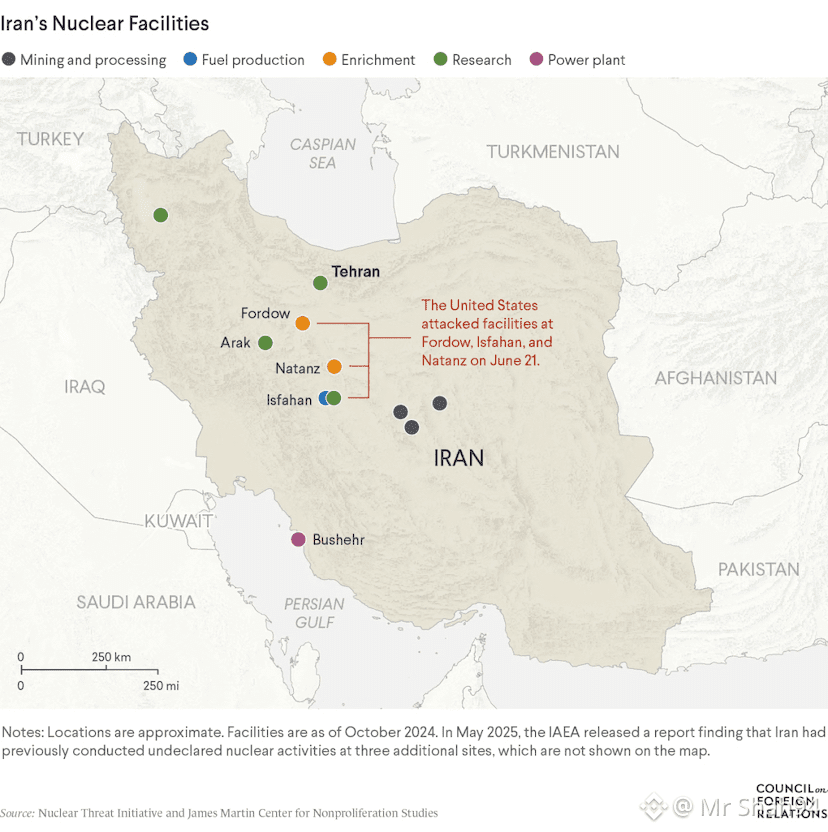
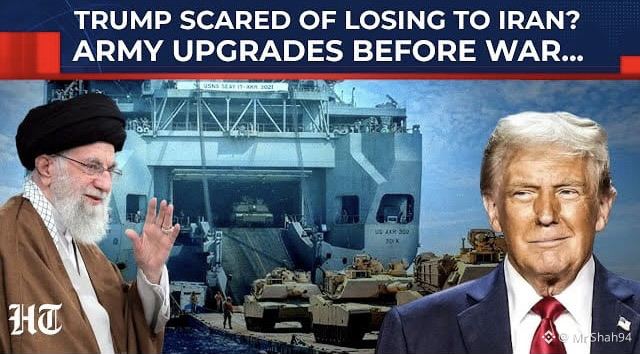
The USA–Iran situation is a deterrence standoff, not an active war. Both sides are using military positioning, warnings, and rhetoric to signal strength and protect their interests without crossing the line into open conflict. The U.S. aims to limit Iran’s regional influence and pressure its government through sanctions and military presence. Iran, on the other hand, uses strong threats to deter attacks and show domestic and regional audiences that it will not back down.
The risk lies in miscalculation. With troops, ships, and missiles positioned close together, even a small incident—such as a drone strike, naval confrontation, or proxy attack—could escalate rapidly. Internal unrest in Iran also raises the stakes, as governments under domestic pressure may act more aggressively abroad to project strength. Meanwhile, regional allies and proxy groups complicate the picture, making escalation harder to control.
However, a full-scale war is unlikely in the short term because the cost would be extremely high for both sides—economically, militarily, and politically. This creates a fragile balance where tension remains high but controlled, with diplomacy acting as a safety valve. The situation is best understood as a prolonged confrontation where both sides want leverage, not war—but are operating dangerously close to it.