
There’s something quietly powerful about watching a technology solve a problem you didn’t even know it could solve so gracefully. That’s the feeling I had the first time I looked into Plasma not excitement in a flashy, loud way l but a gentle recognition: “This feels like how digital money should work.” Too often, blockchains are designed for complexity. Plasma asks a simple, human question: What would it feel like if stablecoins digital dollars moved as naturally online as physical money does in your pocket?
Imagine sending money to someone you love across the world and feeling no anxiety about fees. Imagine doing it in seconds, with clarity, without juggling confusing tokens just to make it work. That’s the vibe Plasma aims for. It’s not about gimmicks or buzzwords. It’s about practicality, usability, and real human experience. This article takes you through Plasma gently, clearly, and from a fresh perspective rooted in what matters most: how money feels when it moves.
At its core, Plasma is built on a thoughtful philosophy: stablecoins deserve first‑class treatment at the protocol level. Most chains treat stablecoins like any other token. Plasma says, no money should feel like money. That makes all the difference. It gives users a level of predictability and intuitiveness they’re not used to in crypto. Instead of layering tools or patches on top, Plasma builds cost abstraction, privacy support, and programmable gas into the very foundation of the network. These aren’t afterthoughts they are baked in from the start, so developers and users don’t have to reinvent the wheel just to make everyday payments work.
When we talk about how Plasma does this, it helps to think in human terms. The system doesn’t just tick boxes it feels smooth.
Under the surface, Plasma uses a consensus mechanism called PlasmaBFT, which is a pipelined approach inspired by something known as Fast HotStuff. In simpler words, the network finalizes transactions the moment you can be confident your money is moved and can’t be undone very quickly. It doesn’t wait in long queues or slow confirmations. In real life, that matters if you’re paying a freelancer, sending remittances home, or receiving money from an overseas gig. Finality in seconds feels reassuring. It feels familiar.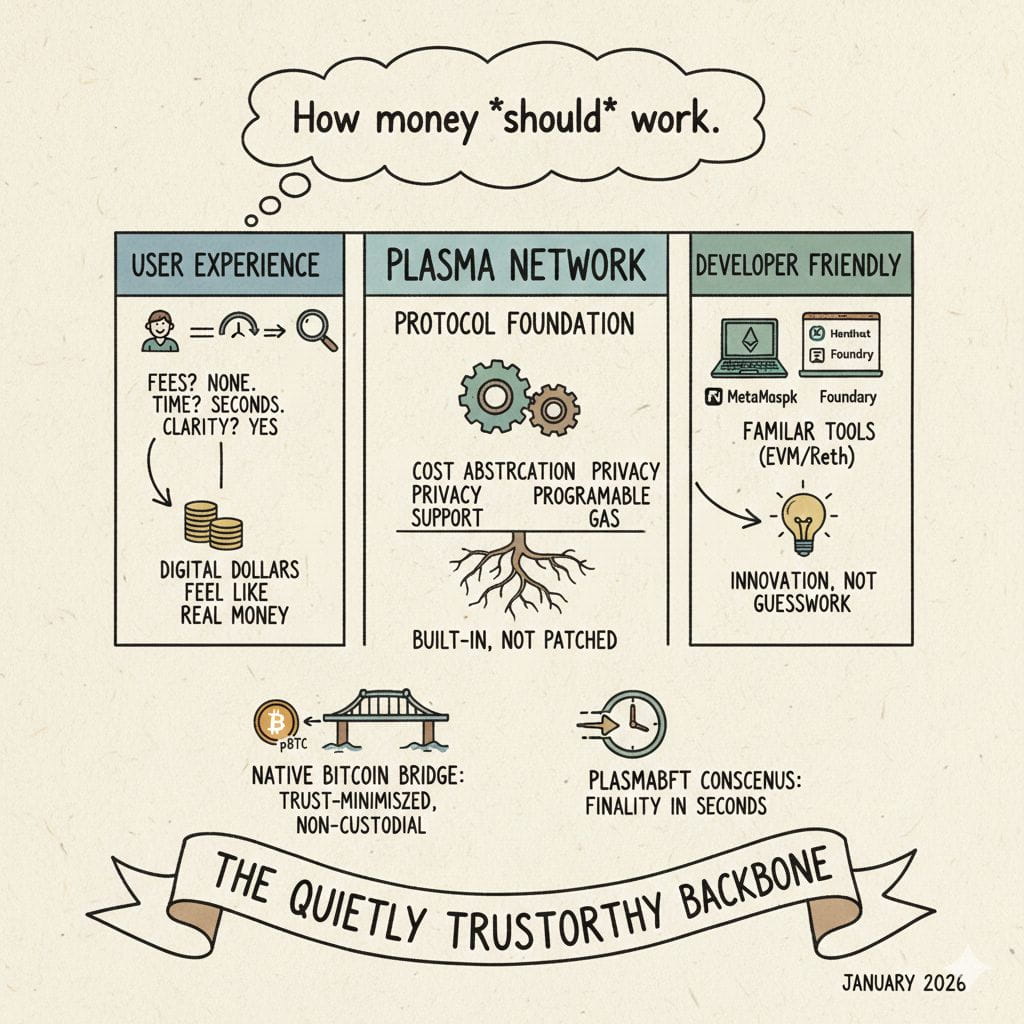
Another piece of the architecture that stood out to me was the EVM execution layer built on Reth a high‑performance, modular client that speaks the same language developers already know from Ethereum. For builders, this is a huge comfort. You don’t have to learn a brand‑new ecosystem to make Plasma work. MetaMask, Hardhat, Foundry all these standard tools just work. It’s like arriving in a new city and finding every familiar cafe still there. That lowers friction and encourages genuine innovation, not guesswork.
Perhaps the most intriguing part is Plasma’s native Bitcoin bridge. Bitcoin is the oldest and most trusted digital asset many of us grew up learning about. But most blockchains treat it like cargo that needs to be locked up with a third party. Plasma approaches it differently: the bridge is trust‑minimized and non‑custodial, meaning your BTC doesn’t sit under someone else’s control. Instead, a decentralized network of verifiers helps secure the transfer. Those Bitcoin assets become pBTC on Plasma, opening the door to using BTC in smart contracts, collateral systems, and even cross‑asset flows. This isn’t just tech talk — it’s bringing together two worlds that people feel emotionally attached to: trust and utility.
All of this is happening at a moment when stablecoins are more than niche tools. They’re part of everyday digital finance. USD₮ alone accounts for tens of billions of dollars in supply, and people use it for everything from remittances to trading, savings, and merchant payments. Yet many existing blockchains still treat stablecoins as secondary actors like shoes in a fashion show. Plasma treats them like the main character.
When Plasma launched its mainnet beta in late 2025, it did so with more than $2 billion in stablecoin liquidity already deployed. That’s not a theoretical milestone. That’s real capital movement. It tells you that developers and liquidity providers aren’t just curious they’re committed. They’re participating in a system that solves a real pain point in a real way.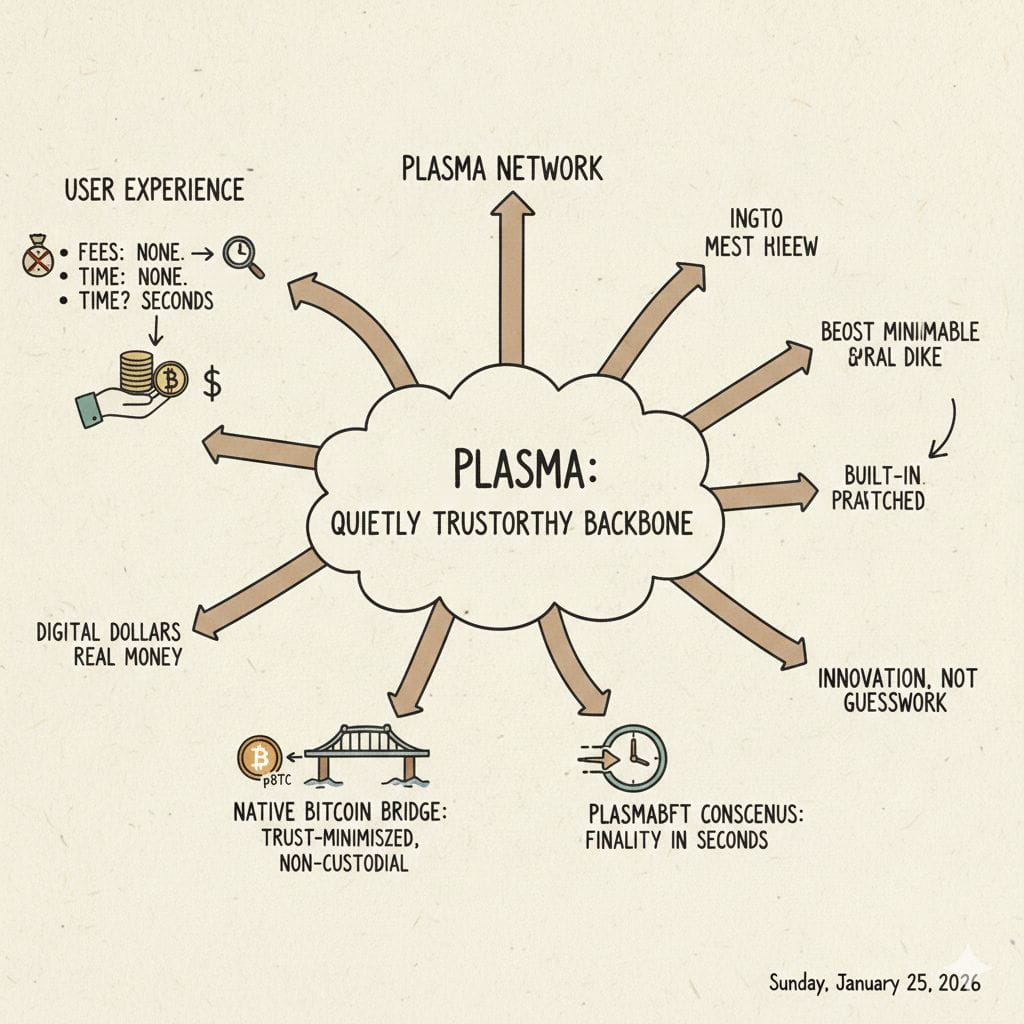
The benefits are real in everyday life. For users, the experience of sending stablecoins on Plasma feels familiar because you aren’t juggling mysterious gas tokens or unpredictable charges. It feels calm, clear, and intentional. For businesses, the predictability of cost and near‑instant settlement means payrolls, supplier payments, and merchant payouts can be handled with far less stress and overhead. For developers, familiar tooling that works out of the box means less time wresting with infrastructure and more time building features people actually want to use.
But let’s be honest and grounded: Plasma isn’t perfect. It acknowledges the challenges ahead without pretending they don’t exist. There’s competition from other chains that promise scalability and cheap transfers, and regulators around the world are paying increasing attention to stablecoins and cross‑border payment systems. That’s not a fear factor it’s reality, and any project that aims to support everyday financial flows has to face that with openness and compliance in mind. Some of Plasma’s features, like confidential payments and the fully decentralized Bitcoin bridge verifier network, are still evolving. They’re in progress not half‑baked, but growing thoughtfully. That’s a sign of maturity, not immaturity.
Looking ahead, Plasma’s roadmap contains meaningful milestones that aren’t just tech checkboxes. Confidential payments aim to let sensitive transfers like payroll or treasury movement be shielded while still remaining auditable for compliance. The community plans for a broader verifier network to support Bitcoin bridging more robustly over time. And integrations with large ecosystem bridges like deBridge are connecting Plasma into the bigger Web3 landscape. These aren’t flashy features. They are practical infrastructure steps toward a more connected, efficient financial layer.
If I reflect personally on what makes Plasma stand out, it’s the intentional calm with which it was built. I’ve seen projects chase noise. Plasma chases utility the experience of moving money that simply feels right. That honesty is rare. And in my view, it’s the kind of foundation that builds lasting trust. Not the loud kind of trust that fades with trends but the trust that comes from everyday experience, from muscle memory, from “I sent money and it just worked.”
In a world where digital finance often feels rushed and cluttered, Plasma is a reminder that good infrastructure doesn’t have to shout. It just has to work in a way that feels natural, thoughtful, and grounded in human experience. And that’s why I see Plasma not just as another Layer 1 blockchain, but as a quietly emerging backbone for how stablecoins and Bitcoin can move as real money in the digital age.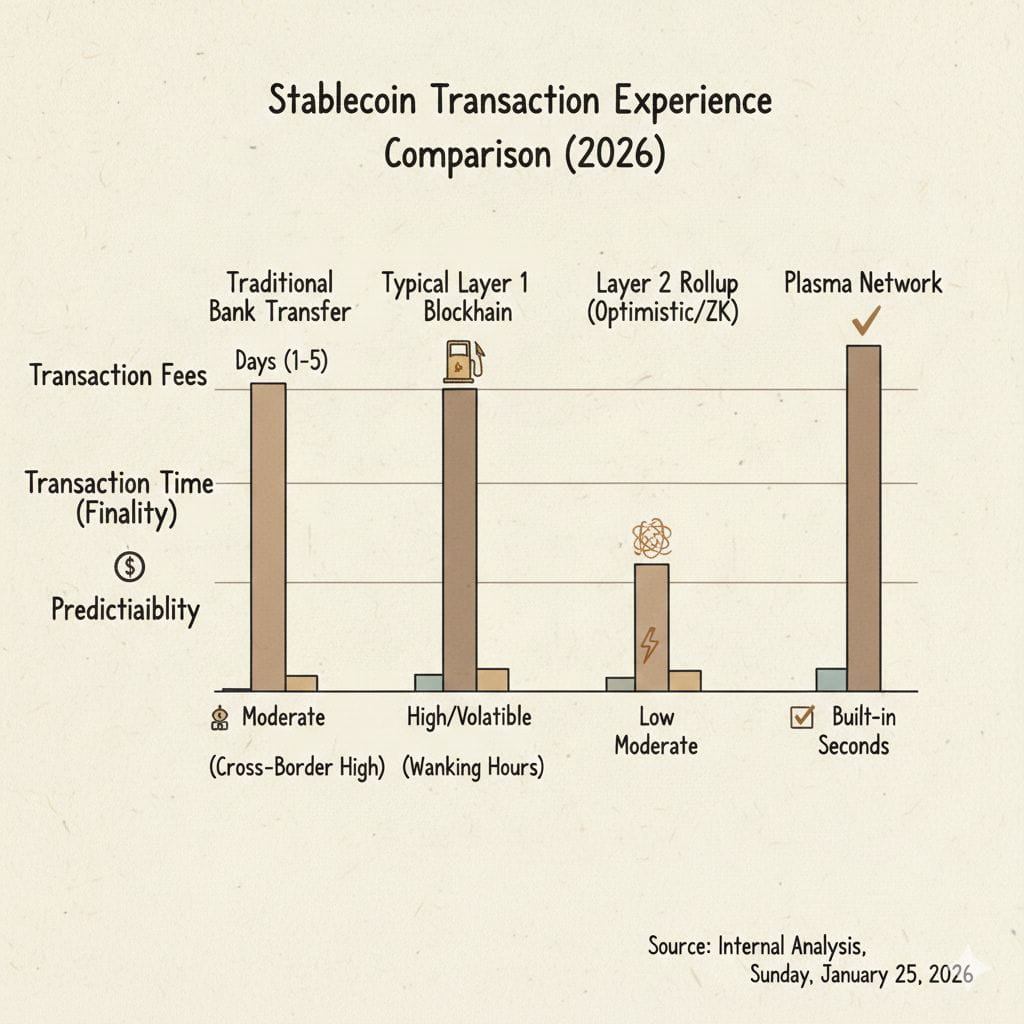
If you care about where digital payments are headed and you value systems that feel familiar and intuitive Plasma deserves your attention. Not because it’s the loudest project, but because it treats money the way people expect money to be treated in real life: calm, clear, and dependable.

