
When you first encounter Walrus Protocol, it does not feel like a bold statement or a dramatic intervention. It feels almost understated. Like something designed to sit quietly beneath the surface and do its job without asking to be noticed. That first impression is important, because Walrus does not appear to be built for attention. It appears to be built for continuity.
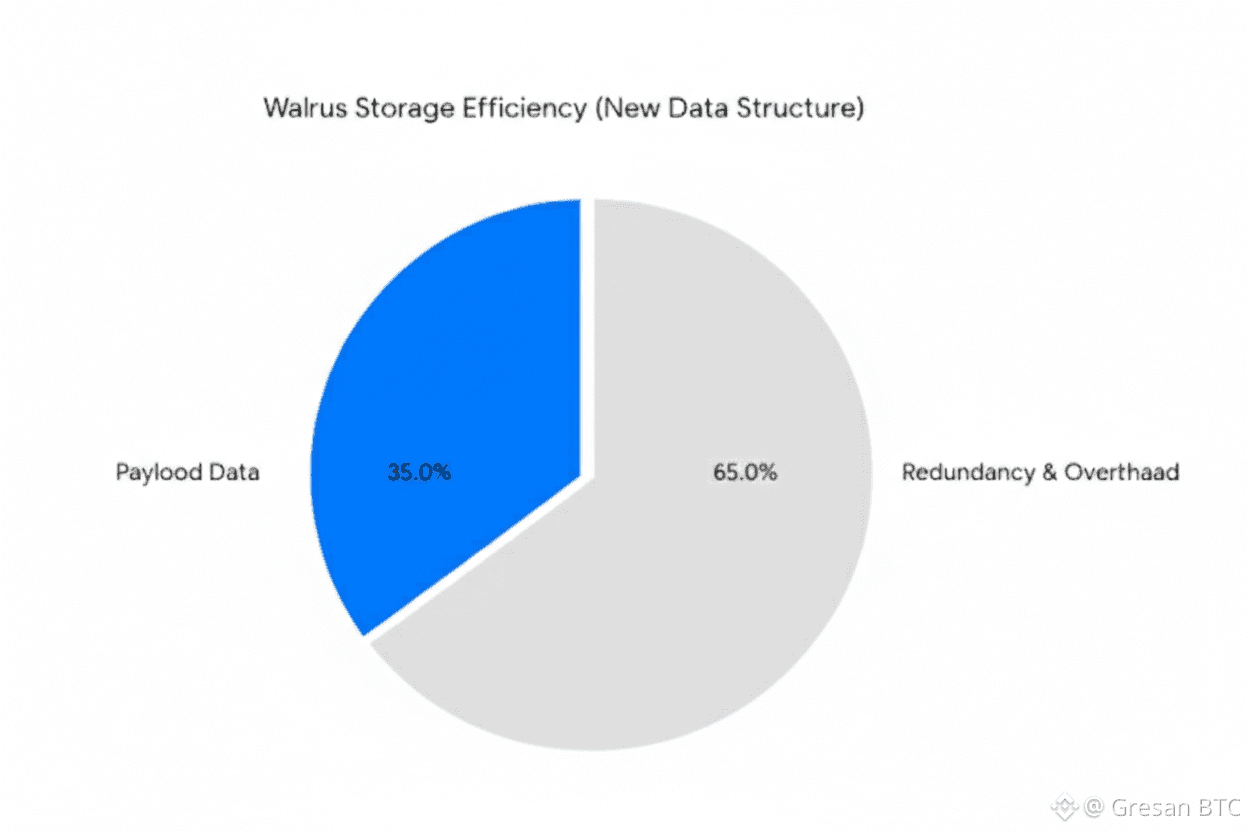
The project seems to start from a simple observation that many systems avoid confronting. Data has become central to almost everything we do, yet the way it is stored and controlled still relies heavily on trust in intermediaries. Over time, convenience quietly replaced ownership. Files moved to the cloud. Responsibility moved with them. Walrus does not react emotionally to this shift. It studies it. Then it responds in a calm and deliberate way.
What Walrus appears to address is a future where data is not just personal but structural. Where applications, organizations, and even automated systems depend on large amounts of information remaining available, intact, and resistant to interference. Existing models were never truly designed for this role. They optimized for speed and ease, not for resilience or long-term neutrality. Walrus does not try to overturn those models aggressively. It gently improves on what they fail to protect.
The most interesting part is how softly the core problem is treated. Instead of framing data control as a crisis, Walrus treats it as a coordination challenge. How do many participants store and maintain information together without relying on a single authority. How do you make the system reliable without making it rigid. These questions are not answered with complexity. They are answered with restraint.
The design choices feel practical rather than idealistic. Distribution is favored over concentration. Redundancy over efficiency at all costs. The system feels built by people who understand that reliability often comes from accepting limits rather than ignoring them. Nothing here feels rushed. Nothing feels experimental for its own sake.
Trust in Walrus does not come from promises. It comes from structure. Control is not removed entirely, but shared carefully. Each participant plays a small role, and no single actor carries too much influence. Coordination replaces command. Responsibility replaces blind automation. It feels less like a product and more like infrastructure learning how to stay out of the way.
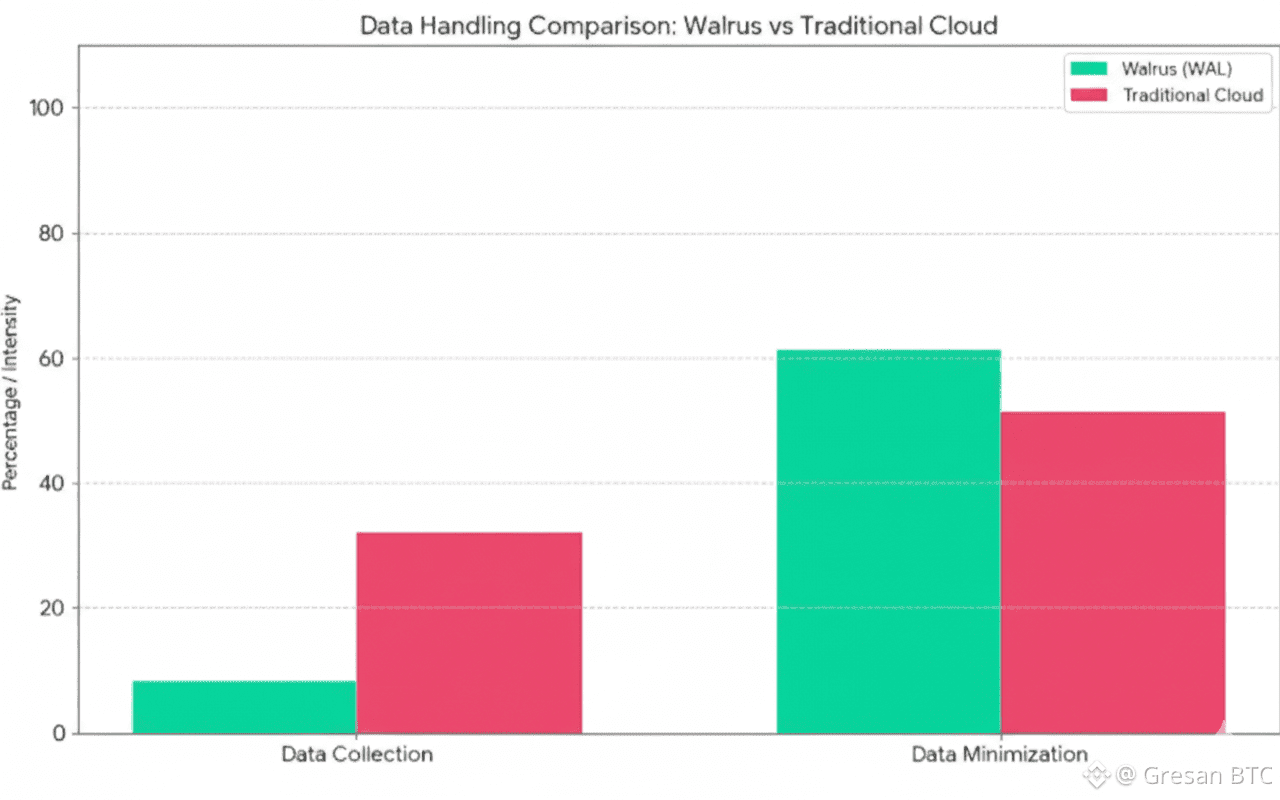
Imagining real usage is straightforward. A developer storing application data without worrying about sudden access changes. An organization archiving records knowing they are not tied to one provider. A system that continues running even when individual components fail. These are not flashy outcomes, but they are the ones that matter when systems are meant to last.
Governance and incentives seem designed with patience in mind. The token does not feel like a symbol or a bet. It feels like a tool. Something that helps align participants so the network remains healthy and maintained over time. Value here is not created through excitement but through consistency.
Walrus does not try to sound revolutionary. It seems more interested in becoming dependable. It wants to operate quietly in the background, supporting other systems without demanding recognition. In many ways, it feels like infrastructure that wants to be boring. And in that intention lies its strength.
There are no exaggerated claims about immediate transformation. The project appears aware that execution and adoption will take time. That trust is earned slowly. That real systems grow through use, not narratives. This honesty gives the design a grounded confidence.
By the end, what remains is a simple feeling. This does not feel rushed. It does not feel speculative. It feels like something built with an understanding of what comes next. Something meant to work quietly while the future unfolds around it.

