
@Walrus 🦭/acc Many of the things we rely on most operate quietly, without recognition or praise. We rarely acknowledge them when they perform as expected, and we seldom even name them. Their presence becomes noticeable only when something goes wrong. Infrastructure exists in this silent space—supporting weight without applause—and creating it requires a mindset grounded in accountability rather than visibility, and long-term thinking rather than rapid acceleration.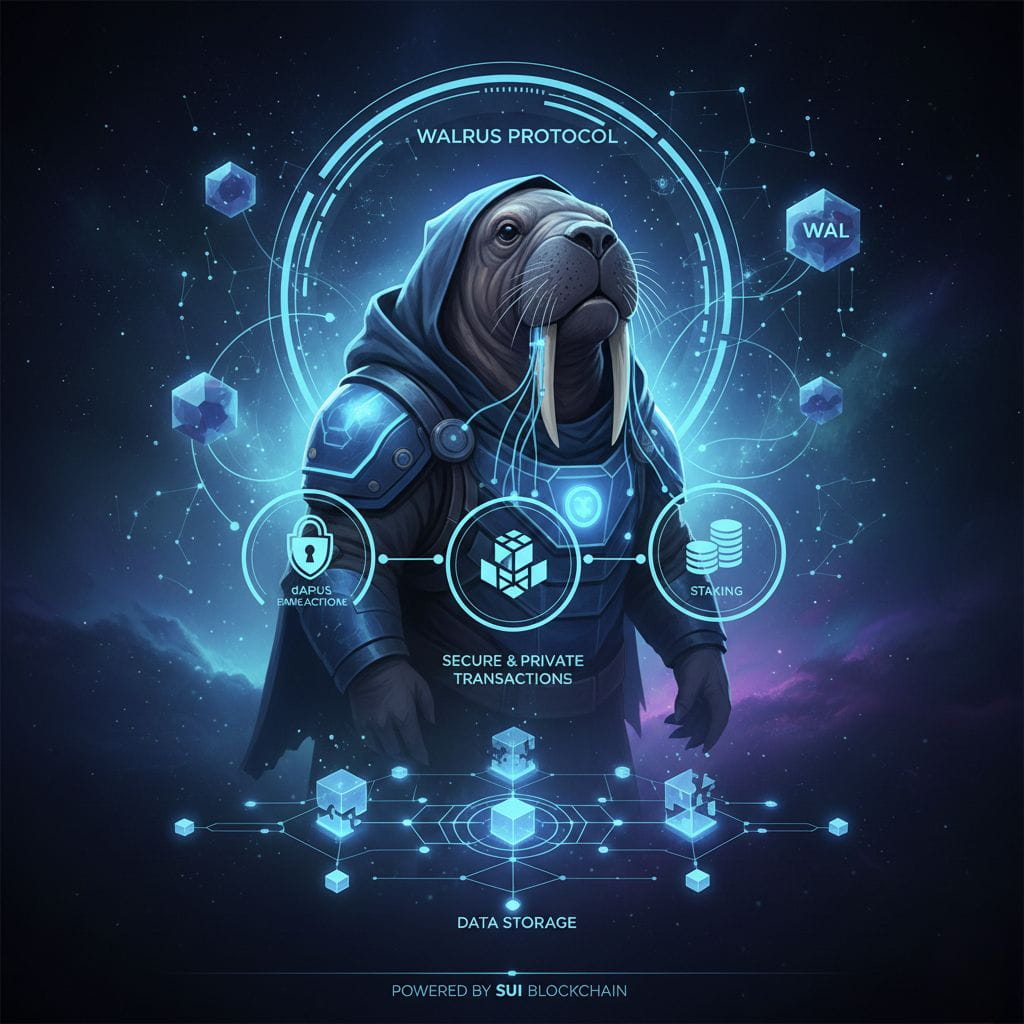
When a system is responsible for safeguarding personal information or transferring real value, it transcends the category of ordinary software. It becomes a commitment. Somewhere, someone is placing confidence in the idea that what they entrust to it will remain intact, secure, and free from arbitrary interference tomorrow and beyond. That level of confidence cannot be rushed or marketed into existence. It develops slowly through dependable behavior and disciplined choices.
Building infrastructure meant to last begins with embracing the fact that it may never be seen. Longevity, not admiration, is the objective. This belief influences every technical decision. Builders favor stability over experimentation, simplicity over flash. New capabilities are introduced only when they serve a clear purpose, not simply because they are feasible. The guiding concern shifts from speed of delivery to long-term relevance—whether the system will still feel coherent years later, even after its original creators have moved on.
Within this framework, privacy is not treated as a selling point. It is a moral responsibility. Every unit of stored data represents a trace of someone’s effort, identity, or intent. Respecting that reality means collecting less, scrutinizing what is recorded, and operating under the assumption that errors are inevitable. Technologies such as Walrus, designed for decentralized and censorship-resistant storage, embody this approach by distributing trust rather than centralizing it. Here, decentralization is not dogma—it is an architectural expression of modesty and realism.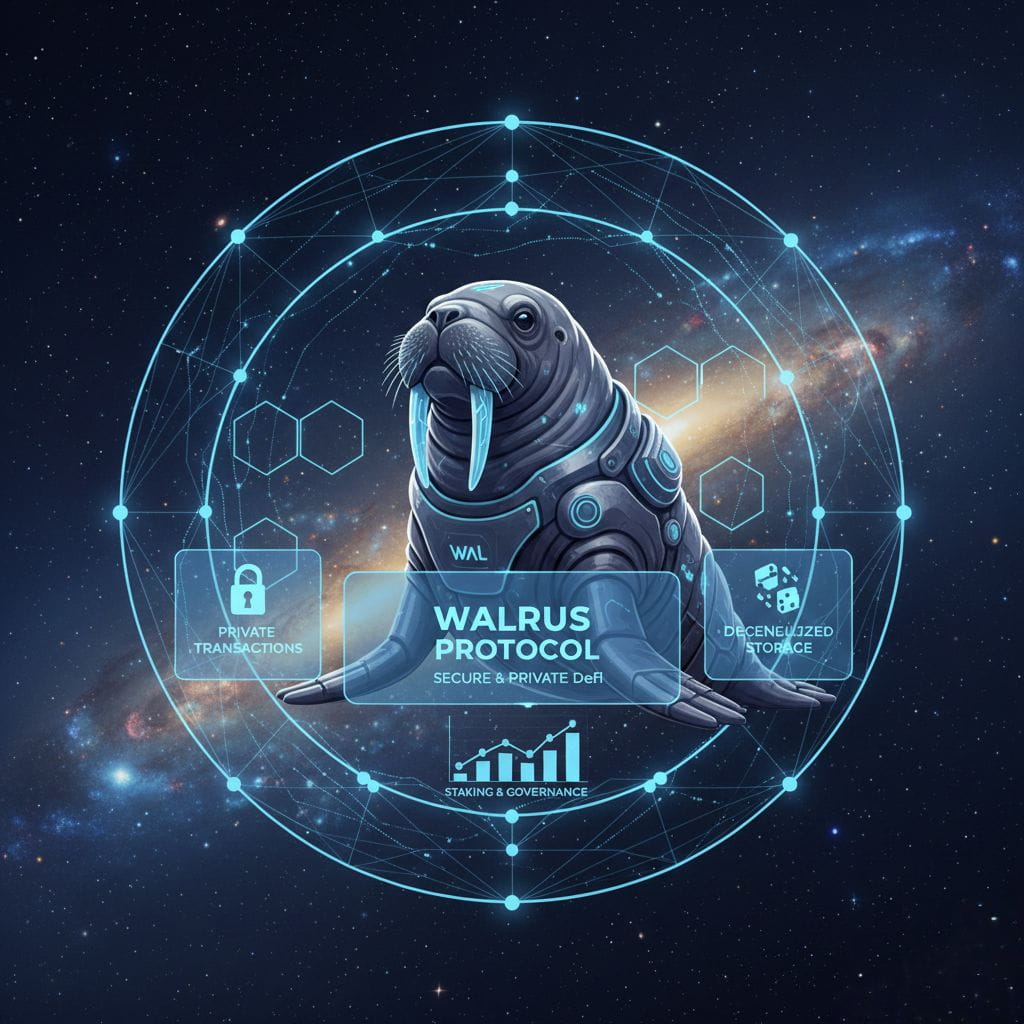
A sense of responsibility also reshapes collaboration. The most consequential discussions do not always occur in live conversations. They are embedded in written artifacts—design documents, technical explanations, and notes intended for contributors who have yet to join. Writing with the future in mind is a gesture of care, recognizing that systems persist longer than any individual. Asynchronous work encourages deliberation. It introduces friction that creates space for skepticism, and thoughtful doubt often leads to stronger outcomes.
Those who build systems that matter also accept an uncomfortable truth: failure is unavoidable. What distinguishes resilient teams is not whether things break, but how ready they are when they do. Instead of denying this reality, experienced teams prepare for it. They test their assumptions, invite scrutiny, and treat audits and critical reviews as safeguards rather than inconveniences. Responsibility is not about assigning fault—it is about learning clearly and publicly enough to prevent repeated harm.
Ethical considerations surface in quiet design decisions as well. How straightforward is it to remove permissions? How resistant is the system to unilateral takeover? How open and understandable is the process for making changes? These questions rarely attract attention, yet they determine whether users remain secure or vulnerable. The most reliable systems are often understated, built by people who fully grasp the damage a single careless choice can inflict.
Trust is not granted instantly. It accumulates gradually through long stretches of predictable, uneventful performance. A system that behaves consistently over time becomes woven into daily life. Once that happens, the obligation of its creators deepens. Their role shifts from constant innovation to stewardship—protecting what already works.
@Walrus 🦭/acc infrastructure worthy of reliance is never rushed. It emerges through sustained effort by people who accept that their contributions may never be visible, only relied upon. That quiet dependence is the reward. What remains steady when no one is paying attention is not excitement or speed, but thoughtful care applied patiently over years—decisions made for the long term, guided by the understanding that the highest praise infrastructure can earn is to go unnoticed.

