

For developers, decisions about data storage are often not about ideology, but rather about time and cost pressures. Putting data on a centralized server is quick, cheap, and familiar. Problems only arise later, when applications start to grow and decentralization claims are put to the test. Walrus forces developers to face that choice from the start.
With Walrus, storage is no longer an implementation detail that can be hidden. It becomes an explicit part of the system design. Big data is treated as a first-class component, with clear costs, durations, and responsibilities. This indeed makes development feel more 'heavy' at the beginning, but it actually reduces technical debt later on.
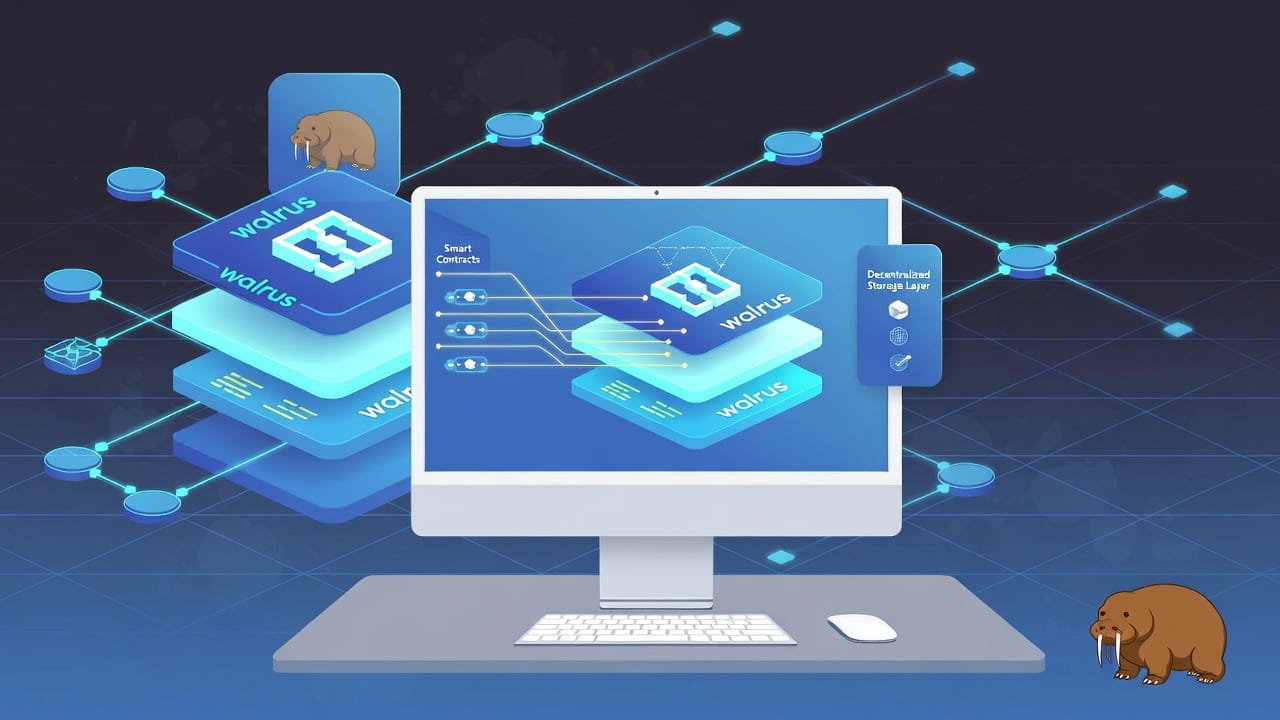
In the Sui ecosystem, this approach feels aligned. Smart contracts remain lean, focused on logic and validation, while Walrus handles data that is unreasonable to store on-chain. Developers are not forced to choose between performance and principles; they are simply asked to be honest about the compromises made.
$WAL to encompass all of this economically. As long as the application is truly using Walrus, the token will always be involved in daily operations, not as a symbol, but as a working tool. This makes Walrus not dependent on trends, but rather on the real decisions of the developers building on it.


