
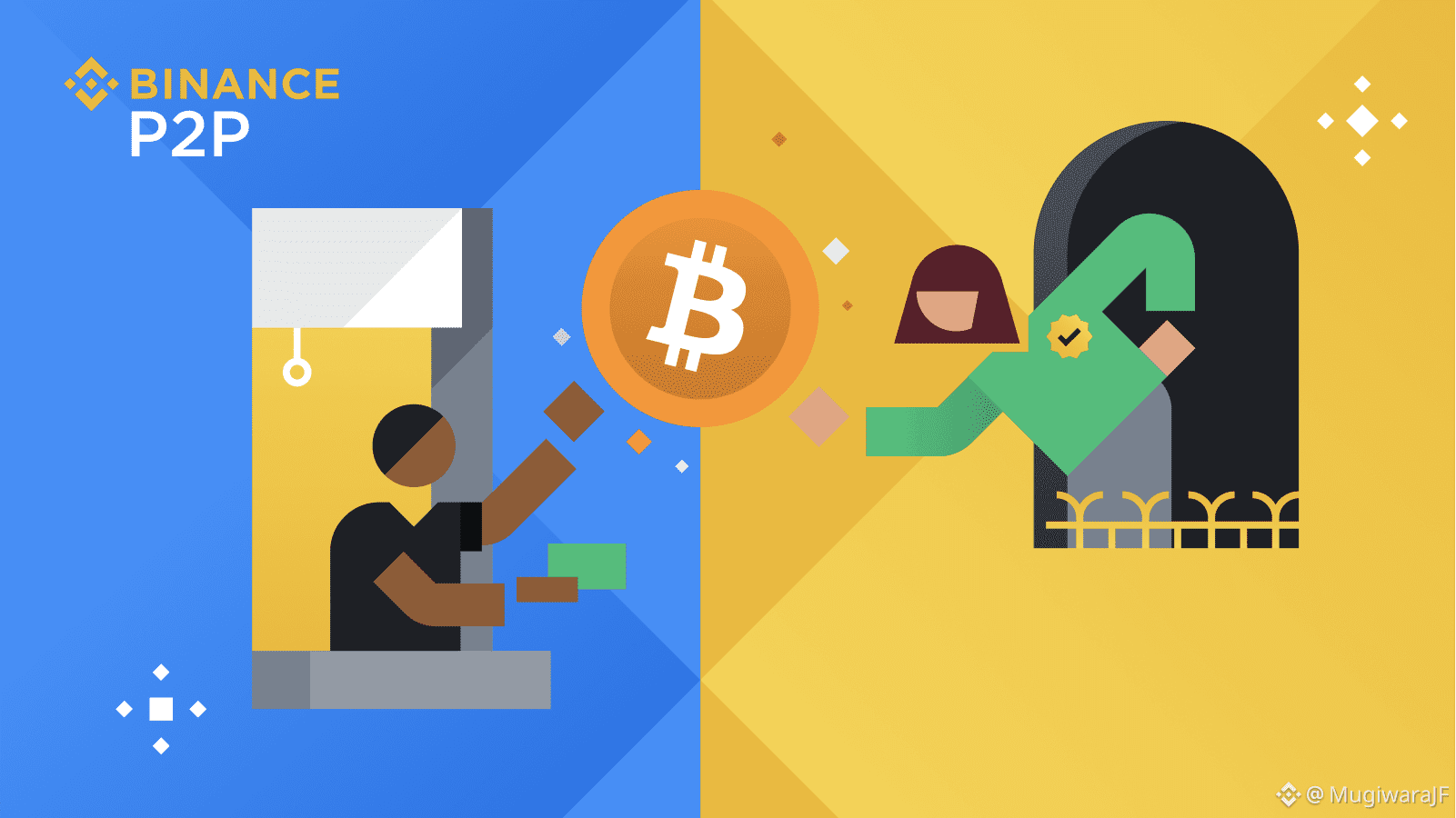
In Binance P2P, when you buy crypto, there is a rule that causes confusion: the platform requires that the payment be from the correct account holder, but that verification is only possible after payment. It's not your mistake; it's a limitation of the P2P model.
So, what can you verify and what should you do to protect yourself?
🔹 Before paying
Check the seller's profile: seniority, percentage of completed orders, and number of operations.
Read the terms of the advertisement carefully. If it mentions third-party accounts or unusual conditions, avoid that order.
Confirm that the payment method is clear and usual (local bank, no intermediaries).
🔹 During payment
Pay only from a bank account or payment method that is in your name.
Do not accept external instructions or conversations outside the Binance chat.
Do not send edited or incomplete receipts.
🔹 After paying (key part) This is where the paradox occurs: only upon payment can you see who receives the money or what banking details were used.
Make sure the beneficiary's name matches the seller's user name.
If it doesn't match, do not pressure the seller or release on your own.
Use the order chat to document and open a dispute if something doesn't add up.
🔹 What NOT to do
Do not release crypto if there are 'small' inconsistencies.
Do not trust phrases like 'it's my family member's account' or 'I always work this way'.
Do not let yourself be rushed. In P2P, haste is a risk.
🏁 Conclusion When buying on P2P, Binance does not ask you to guess or trust blindly; it asks you to document and react properly. Verification is reactive, not preventive, and understanding that reduces costly mistakes.
P2P works well when the process is followed. Not when improvising.
#BinanceP2P #P2PParaPrincipiantes #CriptoSeguro #EducaciónCripto #BuyCrypto