
@Dusk The mechanisms that underpin everyday life rarely draw attention to themselves. They operate in the background, without ceremony, fulfilling roles that only become noticeable when they fail. Financial infrastructure is a prime example. When it works correctly, nothing remarkable occurs—transactions proceed smoothly, records stay accurate, and confidence is maintained. Yet despite this apparent simplicity, these systems carry enormous responsibility.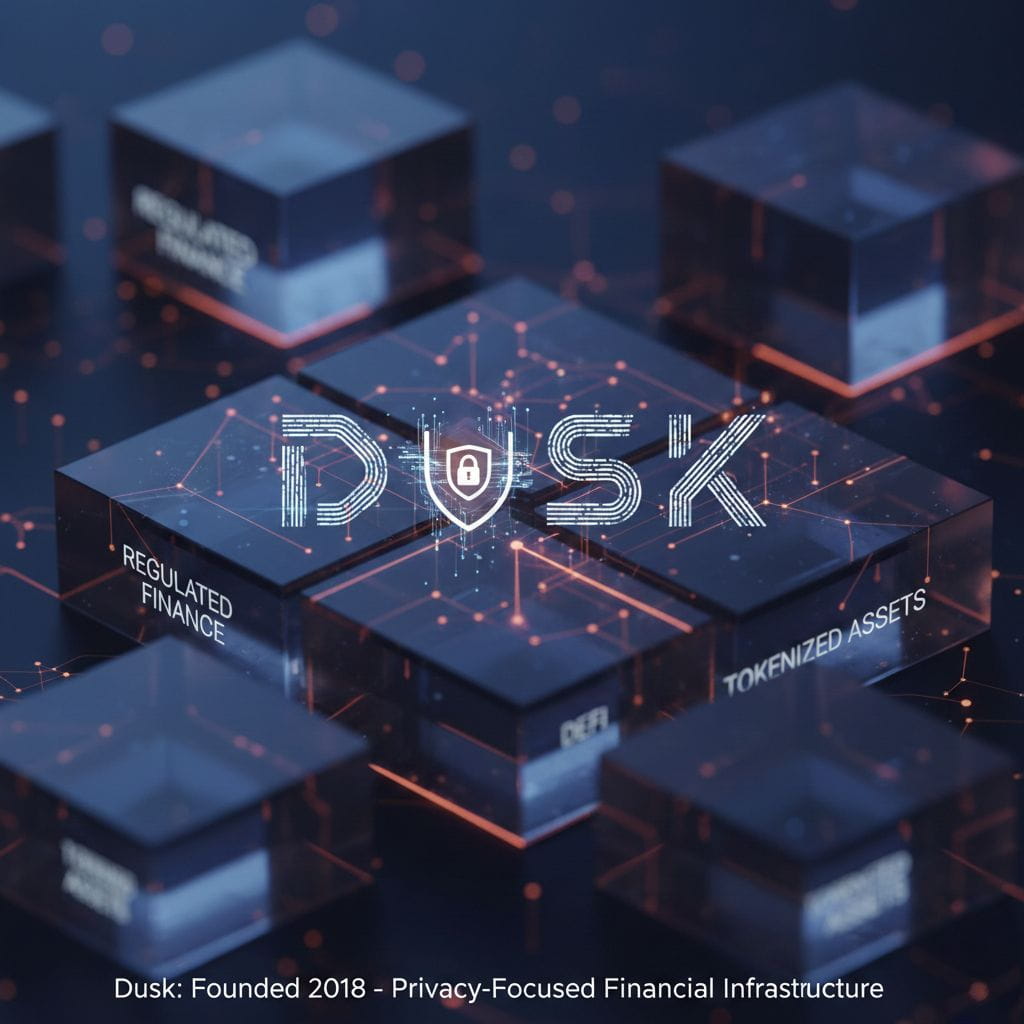
Dusk was established in 2018 with this understanding at its core. Designed as a layer 1 blockchain for regulated and privacy-centric financial infrastructure, it was never intended to chase visibility or trends. Its aim is not to impress through spectacle or speed, but to provide reliability. Built on a modular framework capable of supporting institutional financial applications, compliant decentralized finance, and tokenized real-world assets, Dusk treats technology as a long-term obligation rather than a short-term achievement. From the outset, privacy and auditability were embedded into the system, not added as afterthoughts.
Creating infrastructure that operates largely unseen fundamentally shapes how choices are made. When real economic value and sensitive information are involved, every shortcut introduces risk. Rapid development loses its appeal when failure carries serious consequences. Clever but fragile solutions are rejected when they threaten clarity or trust. Responsibility becomes tangible in extended review cycles, postponed releases, and code rewritten not because it fails, but because it cannot yet be confidently understood by others.
In the context of financial systems, privacy is not about hiding information unnecessarily. It is about respect, protection, and limiting disclosure to what is appropriate. Participants in a transaction do not need universal visibility, but the system itself must remain accountable and verifiable. Achieving this balance requires discipline and modesty—an acceptance that transparency and privacy are not opposing forces, but shared obligations. Dusk reflects this philosophy by treating privacy as a foundational characteristic, not a flexible feature.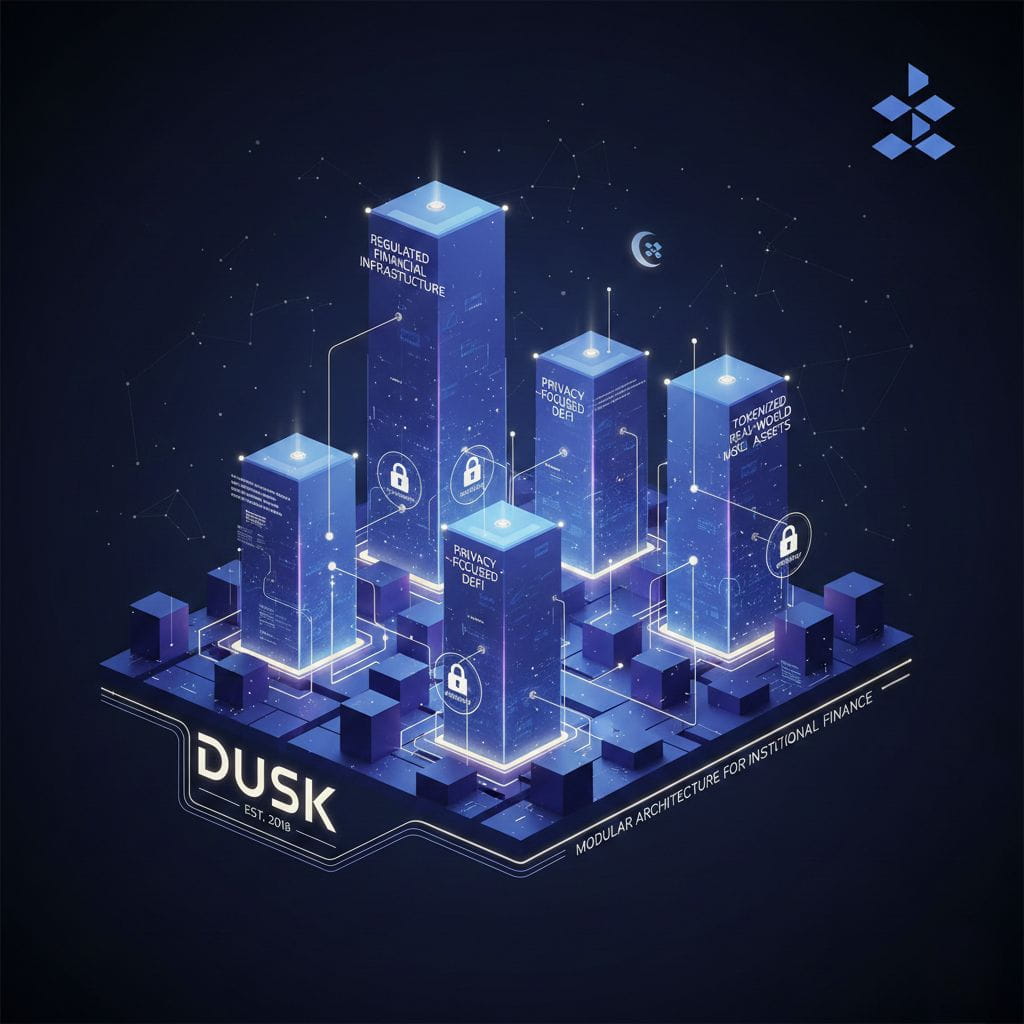
Decentralization also takes on a more practical meaning when responsibility is the focus. Beyond rhetoric, it serves as a safeguard against vulnerability. Centralized control may be efficient, but it becomes dangerous when it fails or is abused. Well-designed distributed systems help prevent scenarios where access is suddenly revoked, data is exploited, or rules are altered without consent. In this light, decentralization is less about ideology and more about protecting users from instability, power concentration, and unseen dependencies.
An organization building this kind of infrastructure cannot be guided by hype. It must be rooted in patience, reflection, and continuous learning. Assumptions are challenged not for effect, but because unexamined beliefs often conceal flaws. Documentation is written with future contributors in mind—those who will inherit decisions without having made them. This creates a subtle but powerful form of accountability: a transparent record of intentions, compromises, and reasoning.
Much of this effort unfolds quietly, across different time zones and areas of expertise, without dramatic milestones. Advancement is measured in shared understanding rather than visible output. Ethical considerations surface in small, routine decisions: default settings, data exposure, and how easily actions can be reversed. These moments rarely feel significant on their own, yet collectively they determine whether a system earns trust.
Trust itself develops slowly. It cannot be manufactured through announcements or timelines. It grows through consistency, resilience under pressure, and the absence of unexpected harm. For infrastructure, this is the ultimate validation: operating so reliably that it recedes into the background, enabling others to build and act with confidence.
@Dusk infrastructure that truly deserves reliance is not born from speed or attention. It emerges from years of careful, deliberate choices, guided by respect for the people and institutions that depend on it. When attention shifts elsewhere and recognition fades, what endures is the quiet strength of the foundation—and if it has been built well, it will continue to hold, even unseen.
