
@Walrus 🦭/acc Most of the systems people depend on daily operate without fanfare. They do not announce their presence or seek recognition. Instead, they function quietly in the background, performing essential tasks that often go unnoticed until something goes wrong. This quiet reliability defines true infrastructure—and it is precisely the space where systems like Walrus are meant to exist. Not as something to showcase, but as something to depend on.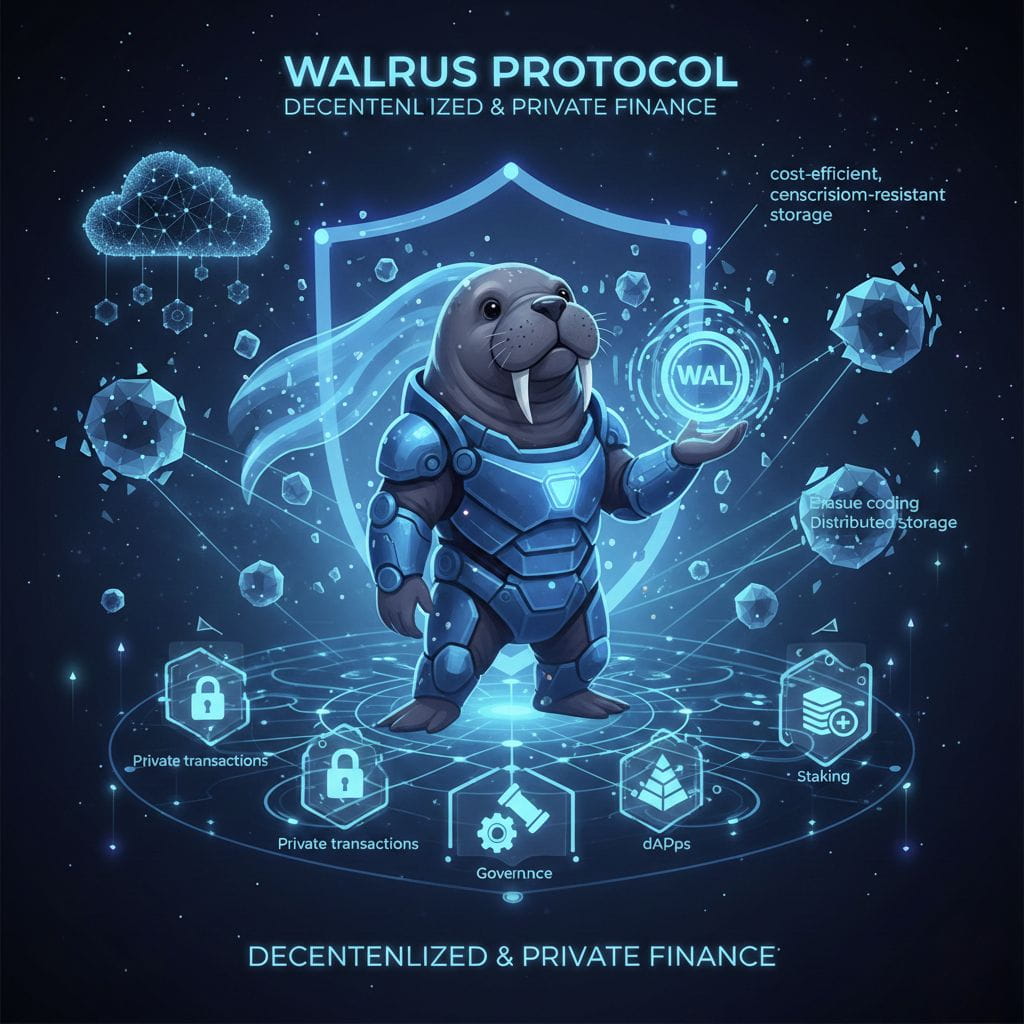
Creating infrastructure that remains largely invisible demands a mindset very different from building products designed to attract attention. When a system is responsible for safeguarding sensitive information or transferring real value, success is no longer measured by speed of adoption or visibility. What matters is whether it continues to function reliably when interest wanes, conditions shift, or scrutiny disappears. Trust at this level is not built through ambitious messaging. It is formed through discipline, caution, and a clear understanding of the responsibility involved.
Within this framework, privacy is not a selling point—it is a line that must not be crossed. Walrus, as a decentralized and privacy-focused storage system on Sui, is built with the recognition that data is never just abstract information. It reflects people’s livelihoods, identities, and choices. Respecting that reality requires systems that reduce unnecessary exposure, spread risk, and are designed with the expectation that failures will occur. Techniques like erasure coding, decentralized storage, and careful protocol design are not merely technical achievements; they reflect humility. They acknowledge that concentrating power—whether in a single system, operator, or organization—creates unacceptable risk.
When decentralization is approached seriously, it stops being a catchphrase and becomes a practical safeguard. Distributing responsibility across storage, validation, and governance lowers the chance that one error, outage, or decision can undermine years of trust. This protects users not only from technical breakdowns, but also from abrupt shifts in control that can change ownership or access without warning. In this sense, decentralization is less about philosophy and more about protecting people who may never know who built the system in the first place.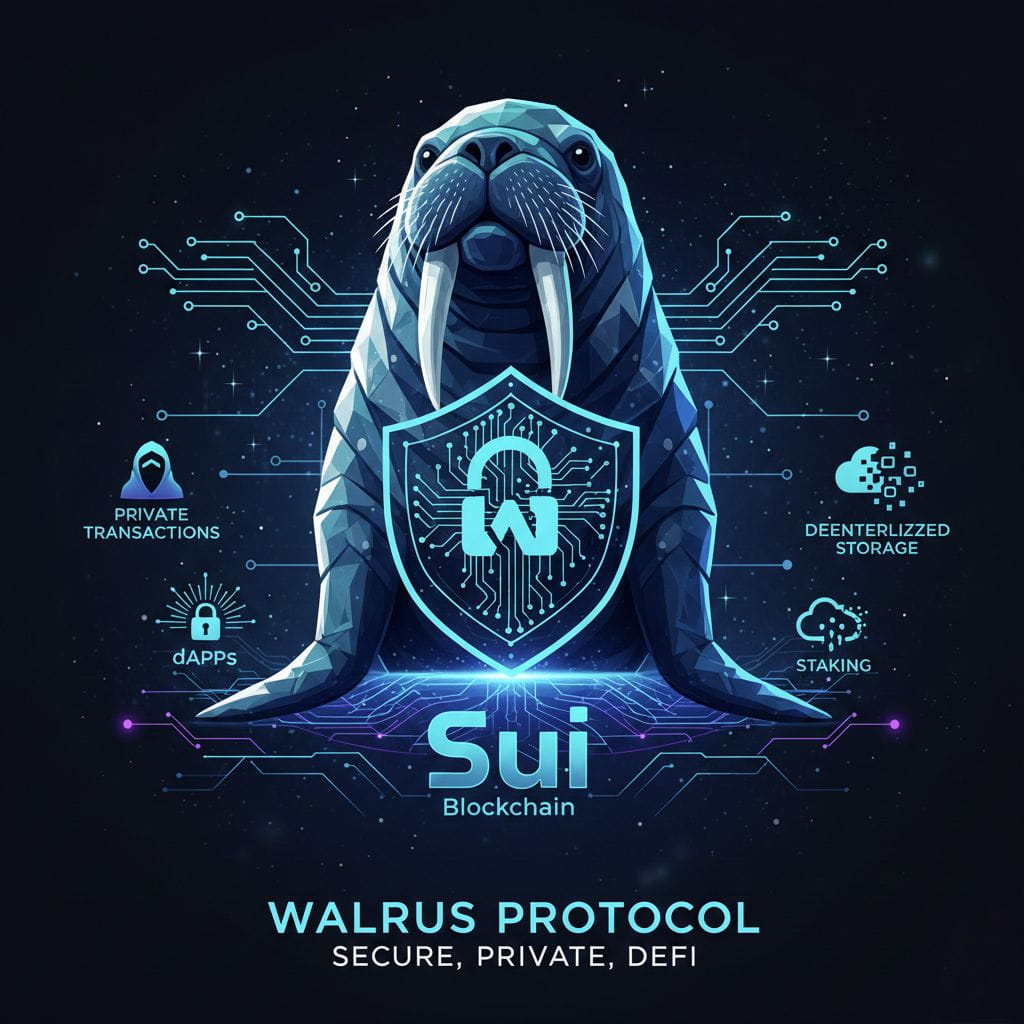
A strong sense of responsibility also shapes how teams collaborate. The work behind durable infrastructure is often slow, asynchronous, and uncelebrated. It unfolds through design reviews, documentation, and long discussions about rare edge cases. Documentation is created not for recognition, but for future maintainers who will need context long after the original authors are gone. Decisions are questioned not to stall progress, but to prevent small oversights from becoming permanent failures.
Operating in this way requires restraint. It asks builders to avoid shortcuts, even when those shortcuts promise rapid growth or public attention. It favors patience in an environment that often values speed above all else. Ethical considerations become part of everyday engineering choices—from key management to governance design. These details are largely invisible to users, yet they define whether trust is even possible.
Trust cannot be demanded by infrastructure. It accumulates gradually through reliability and consistency. Through systems that behave predictably in both calm and crisis. Through openness when failures occur instead of silent concealment. Over time, dependable systems fade into the background, which is exactly where they belong. When people no longer think about the infrastructure they rely on, it is often a sign that it is doing its job well.
@Walrus 🦭/acc infrastructure that deserves reliance is not created through singular innovations or moments of attention. It emerges from long-term commitment and countless careful decisions layered over time. Systems like Walrus are not built to be seen, but to be depended on. They serve as a reminder that some of the most important work in technology happens quietly, carried forward by those willing to accept responsibility even when no one is paying attention.

