


According to research by the Bank for International Settlements covering the 2015-2022 period, roughly 73–81% of new crypto investors lose money early on. Only about 20–27% manage to walk away with real profits.
So what separates the small group that survives from the overwhelming majority that doesn’t? It’s not superior intelligence or extraordinary luck. The real difference lies in how they think, how they filter information, and how they make decisions under pressure. Below are four mental models that can help you stay rational and act deliberately, even when the market feels completely out of control.
Why Mental Models Are a Survival Tool in Crypto
A mental model works like a filter for your brain. Instead of reacting emotionally to thousands of headlines, price candles, and social media posts every day, you rely on structured ways of thinking to interpret situations and respond appropriately.
Steve Jobs once said that you can’t connect the dots looking forward, only backward. Mental models are those dots: distilled lessons and principles that help you make faster, clearer decisions when uncertainty hits.
A good example comes from the crypto market in 2024. When Bitcoin dropped sharply from around $70,000 to $50,000, panic was everywhere. News turned negative, charts went red, and many investors sold simply because they feared further downside.
A smaller group paused and asked a different question: “What reasons do I have not to sell right now?” They noticed that on-chain indicators remained healthy and large wallets were accumulating rather than exiting. They couldn’t predict the future with certainty, but the framework helped them resist panic. Months later, Bitcoin not only recovered but pushed to new all-time highs.
Looking back, it feels obvious. Living through it was anything but. In a market that trades 24/7 and can swing violently within hours, emotions drive the majority of decisions. Mental models don’t eliminate risk, but they help you avoid emotional reflexes when clarity matters most.
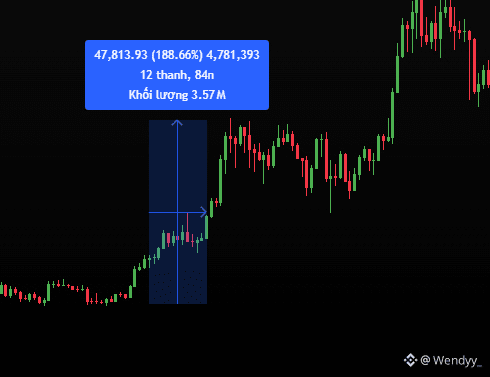
Four Ways of Thinking That Keep You in the Game
Invert the Goal: Protect Capital Before Chasing Profits
Most people enter crypto asking how to turn their account into ten or a hundred times its size. Investors who last ask a different question: how do I avoid blowing up?
This approach may sound pessimistic, but it’s practical. Making money in crypto isn’t the hardest part. Keeping it is. The most common ways people lose are predictable: falling for Ponzi-style projects, buying after massive pumps, overusing leverage, or ignoring basic risk limits. Simply avoiding these traps dramatically increases your odds of survival.
There are countless stories of “paper millionaires” who forgot this rule. Some earned enormous sums from early airdrops or bull runs, only to watch nearly everything disappear in a single market crash because they never locked in gains or protected capital.
Charlie Munger famously said that investing success is less about doing brilliant things and more about avoiding stupid mistakes. In crypto, that mindset is invaluable. Before every trade, ask yourself whether losing the entire amount would damage your life. If the answer is yes, you’re already taking too much risk.

Don’t Focus Only on Success Stories
Scroll through social media and you’ll constantly see highlights: a token that went up 100x, a teenager who struck it rich with NFTs, or a trader showing massive profits. What you rarely see are posts about losing everything.
This creates a powerful illusion. Crypto looks easy because failures are quiet while successes are loud. The reality is far harsher. Data from CoinGecKo shows that out of nearly seven million tokens listed since 2021, more than half have already failed. That means millions of projects disappeared along with investor capital.

Understanding this changes your perspective. Instead of assuming every new opportunity is a ticket to riches, you begin each investment with caution. Crypto isn’t a place where money falls from the sky. It’s a highly competitive environment where most participants lose.
Think for Yourself, Don’t Follow Blindly
Crypto social media is filled with influencers who appear confident and authoritative. Many investors assume that high follower counts equal expertise, so they copy trades without question.
History shows how dangerous that is. Well-known figures once celebrated as visionaries later proved disastrously wrong. Do Kwon was once praised as a genius before the Terra ecosystem collapsed. Sam Bankman-Fried was compared to legendary investors before ending up in prison.

Even smaller influencers are not immune to conflicts of interest. Paid promotions, undisclosed incentives, and short-term hype are common. If you don’t understand why you bought something, you won’t know when to sell, when to hold, or when to cut losses.
The solution isn’t to ignore others completely. It’s to treat external opinions as inputs, not instructions. Do your own research, form your own thesis, and take responsibility for the outcome. That way, even losses become lessons rather than blind frustration.
Apply the 5/25 Rule and Embrace Focus
Warren Buffett once shared a simple exercise. Write down 25 goals, circle the five most important, and deliberately ignore the remaining twenty. This discipline of focus is even more critical in crypto.
Every year brings new trends. One month it’s AI, the next it’s DePIN, then memecoins explode. Thousands of projects launch around each narrative. Trying to keep up with everything leads to exhaustion and mediocre decisions.
No one excels at every strategy. You can’t master long-term fundamentals, short-term trading, memecoins, gaming tokens, and derivatives all at once. The investors who last identify what they do best and concentrate their energy there. They accept missing out on other trends as the cost of consistency.
Focus doesn’t make you immune to losses, but it dramatically improves your odds over time.
Final Thoughts
Crypto is not short on opportunity, but it rewards patience over impulsiveness. The top one percent aren’t necessarily smarter or luckier than everyone else. They simply think differently when most people are panicking.
These four mental models form a foundation, not a guarantee. Your job is to adapt them to your own strengths, limits, and goals. In a market defined by chaos, clear thinking is often the most valuable edge you can have.


