On one side, there is a frenzy of assets with gold breaking $5,000 and the A-share Science and Technology Innovation 50 soaring 15% in a single month; on the other hand, the expectation for Bitcoin has dropped from $100,000 to the $80,000 range. Why has the crypto market uniquely faced 'chill' since Trump took office? The triple storm of macroeconomics, capital, and sentiment is reshaping the market landscape.
Three major macroeconomic challenges: tightening global liquidity
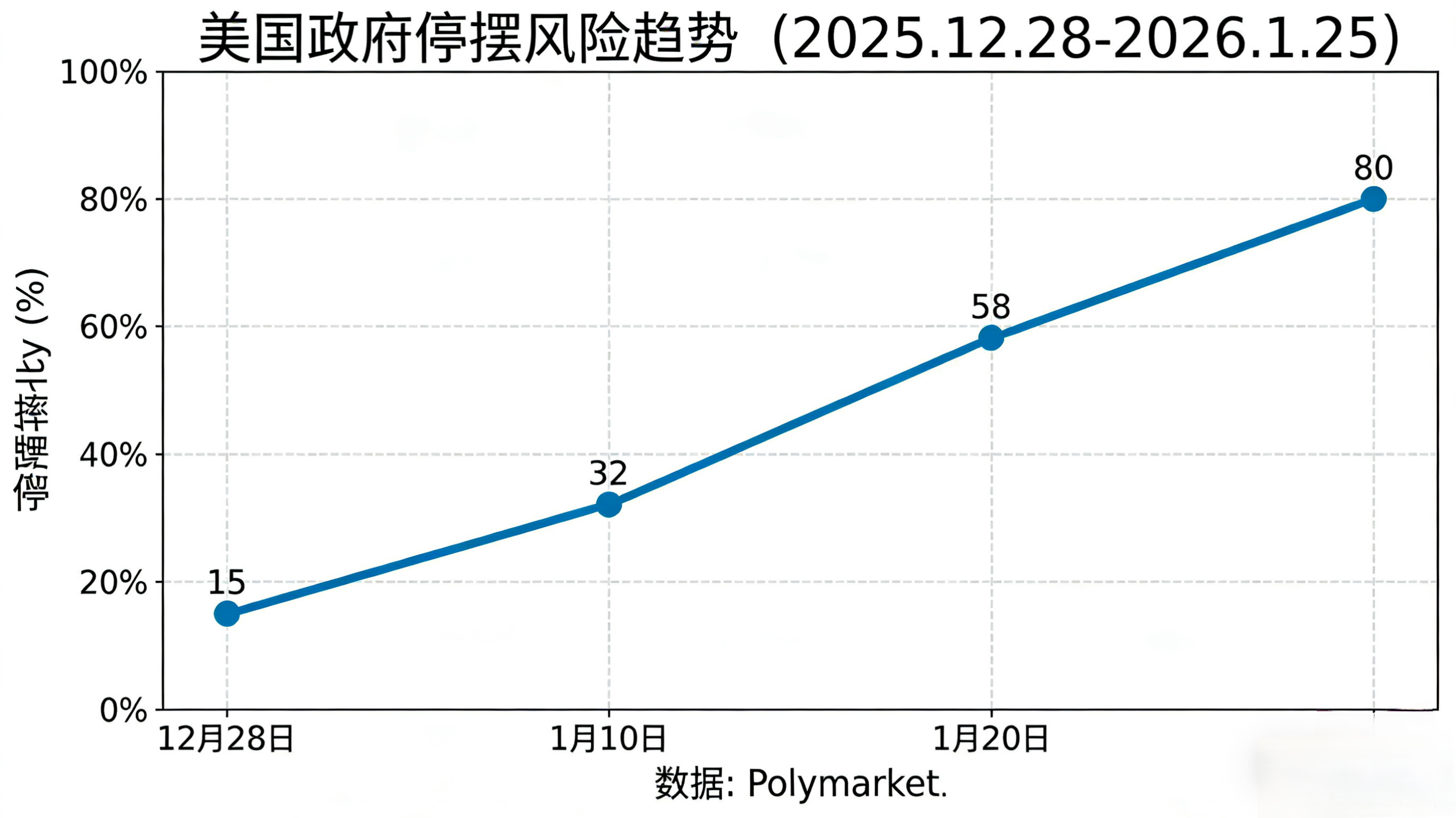
The risk of a White House shutdown has soared to 80%
Due to political games, the Democratic Party opposes the funding proposal from the Department of Homeland Security. Polymarket data shows that on January 30, the risk of a U.S. government shutdown reached 80%. A shutdown would lock hundreds of billions of dollars in the Treasury's general account; a 43-day shutdown in October 2025 had withdrawn $200 billion in liquidity, while Bitcoin is highly sensitive to liquidity, and the risk of shutdown plummeted from $92,000 to below $88,000 within 24 hours.
Japan's government bond yield hits a 27-year high
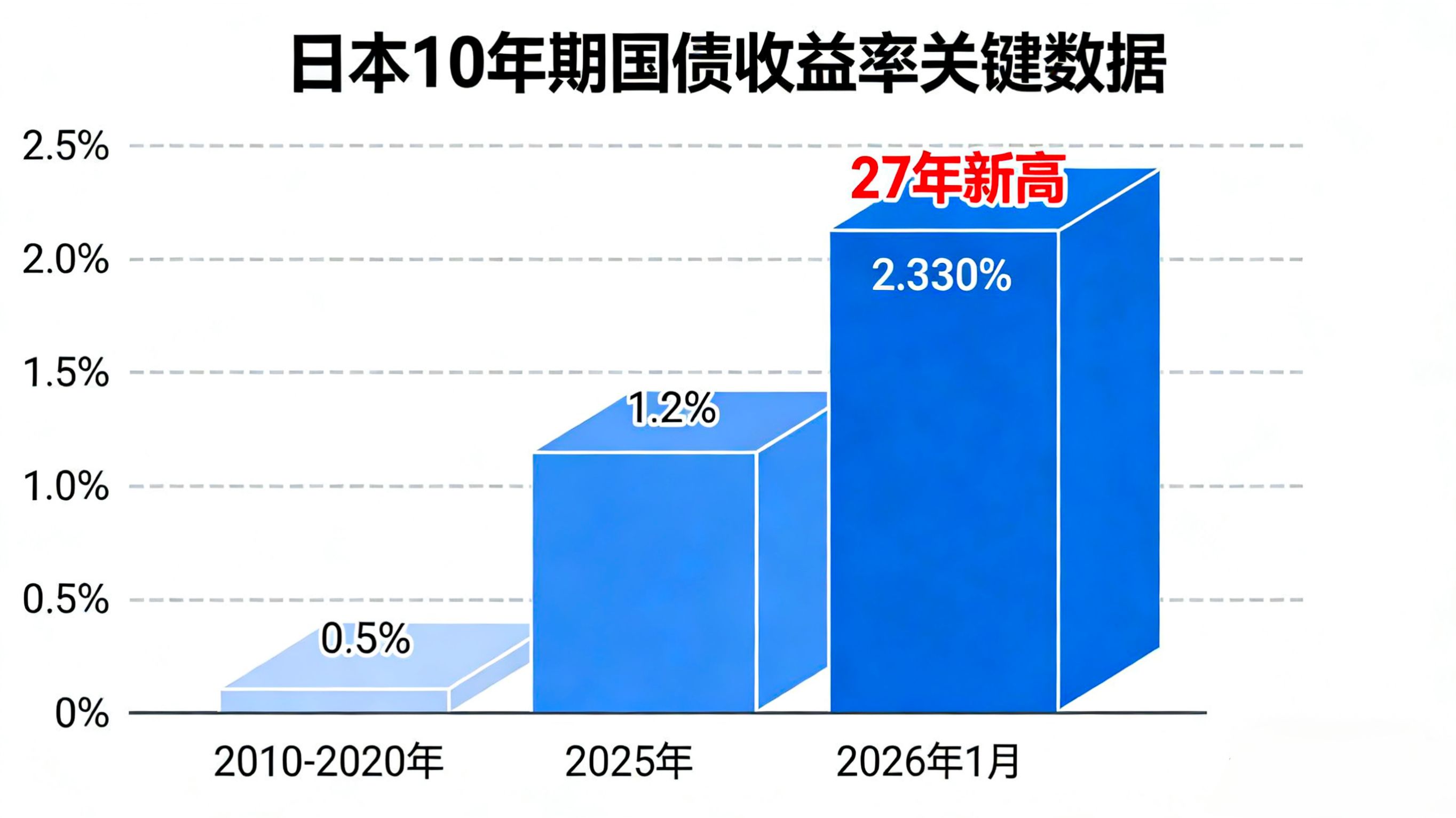
In January 2026, Japan's 10-year government bond yield soared to 2.330%, the highest since 1999. This triggered a reversal in the yen carry trade—previously, investors borrowed low-interest yen to invest in Bitcoin, but now the Bank of Japan has raised interest rates to 0.75%, coupled with a state of 'full employment', confirming the rate hike cycle, causing carry traders to close positions and further tighten global liquidity.
Ahead of key data, large funds seek safety
This week welcomes the 'data super week': On January 29, the Federal Reserve's interest rate decision, and on January 30, Japan's unemployment rate and the U.S. PPI data will be released. Historical data shows that 5-7 days before the FOMC decision, Bitcoin often experiences a 'pre-meeting drop', with around a $4,000 drop before the October and December 2025 meetings; currently, large funds are reducing risk exposure, amplifying selling pressure.
Capital flight: Crypto liquidity is being diverted
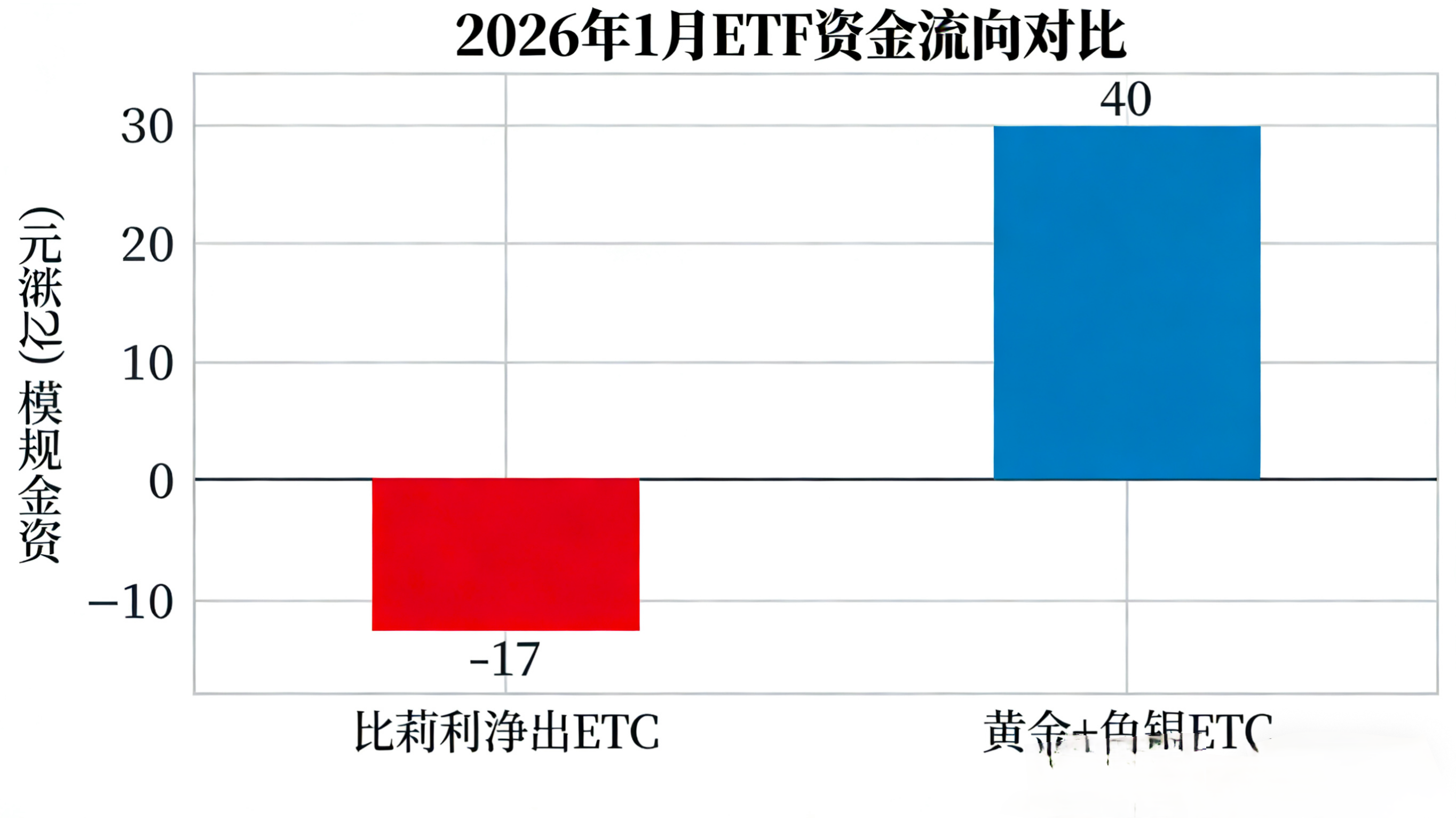
Bitcoin ETF sees a net outflow of $1.7 billion, while gold ETFs attract $4 billion
The Bitcoin spot ETF, once the engine of the bull market, has seen a net outflow of $1.7 billion for five consecutive days since mid-January; during the same period, precious metal ETFs have seen a net inflow of $4 billion, setting the record for the strongest capital inflow since 2020 in 2025, with funds shifting from high-risk Bitcoin to traditional safe-haven assets.
Meme coins divert liquidity from mainstream coins
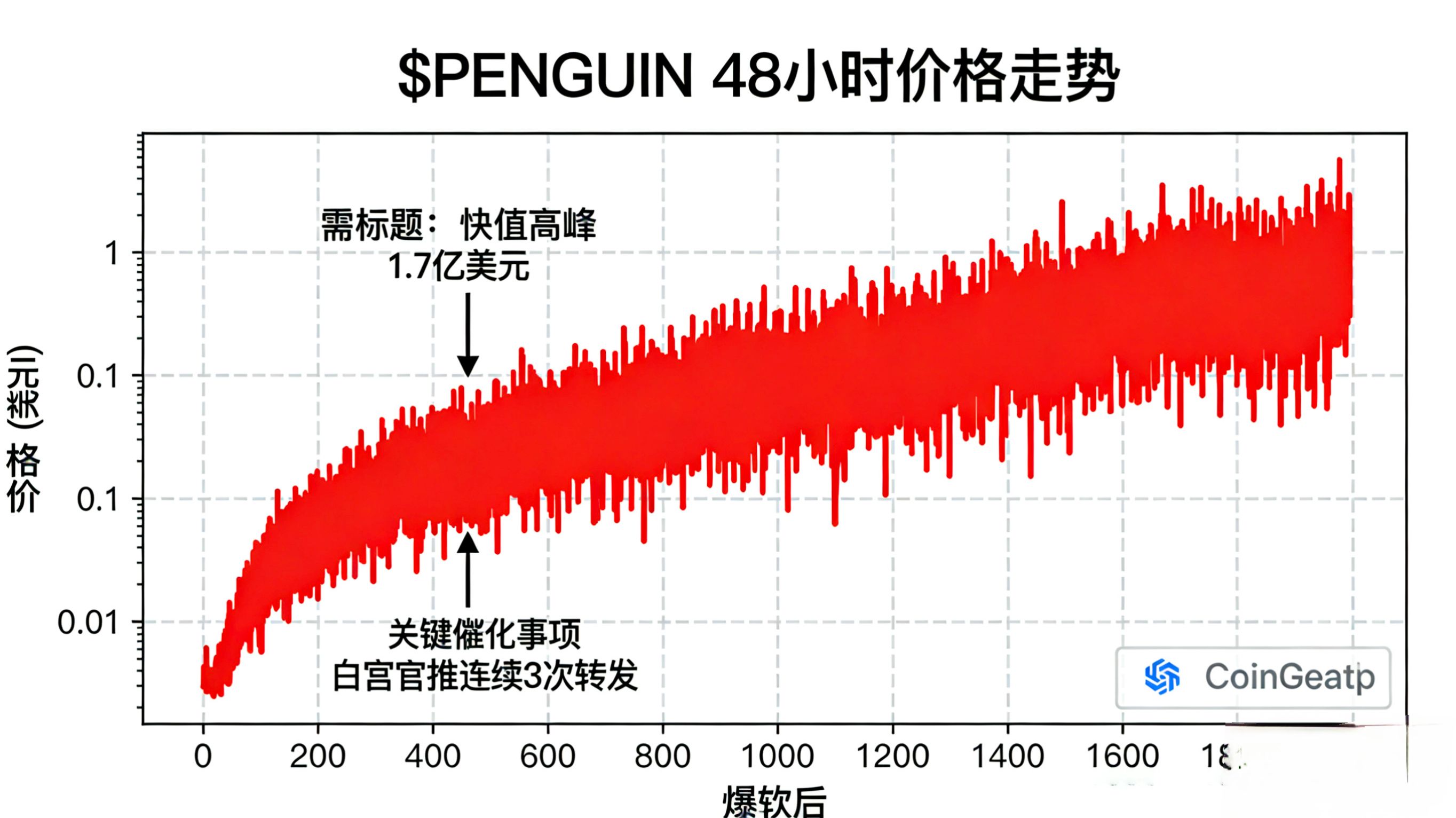
The crypto market is experiencing a two-sided situation: while Bitcoin is declining, the Solana ecosystem $PENGUIN surged a hundredfold within two days due to a retweet from the White House official account, peaking at a market cap of $170 million. This reflects the gaming of existing funds in the crypto space—after the inflow of ETF incremental funds slowed, trapped funds flowed into Meme coins seeking short-term gains, further draining Bitcoin liquidity.
Is the bear market here? How should we investors respond?
Since falling below $110,000 in October 2025, the crypto market has been volatile for three months, with thin liquidity and signs of a bear market. In the short term, the Washington game, Federal Reserve policies, and tech giants' earnings reports will dominate the trends; in the long term, global debt cycles, geopolitical conflicts, and uncertainties surrounding Trump's trade policies remain.
For us, chasing highs and lows is not a wise move; controlling positions and waiting for the macro fog to clear is the core strategy to navigate volatility. In a global asset frenzy, the crypto space's 'absence' may be temporary, but before the storm subsides, surviving is the primary goal. It's essential to maintain sufficient cash positions to see the light after the clouds clear!
The above data is from the internet; please contact me for corrections.