
A general's success comes at the cost of countless bones. For the strong, challenges are also opportunities. For $XPL , challenges such as the arc chain of circle, the reduction of gas fees in trx, etc., are also #plasma opportunities to prove themselves. Only by proving their unique advantages can they safeguard their own piece of land amidst the coveting of various public chains. In this war defined by throughput, ecology, and security, focusing on stablecoin transfer payments, @Plasma has opened up a differentiated track. As the world's first high-performance public chain with zero transaction fees for USDT transfers, this competition is a challenge from emerging specialized track public chains to traditional general-purpose public chains.
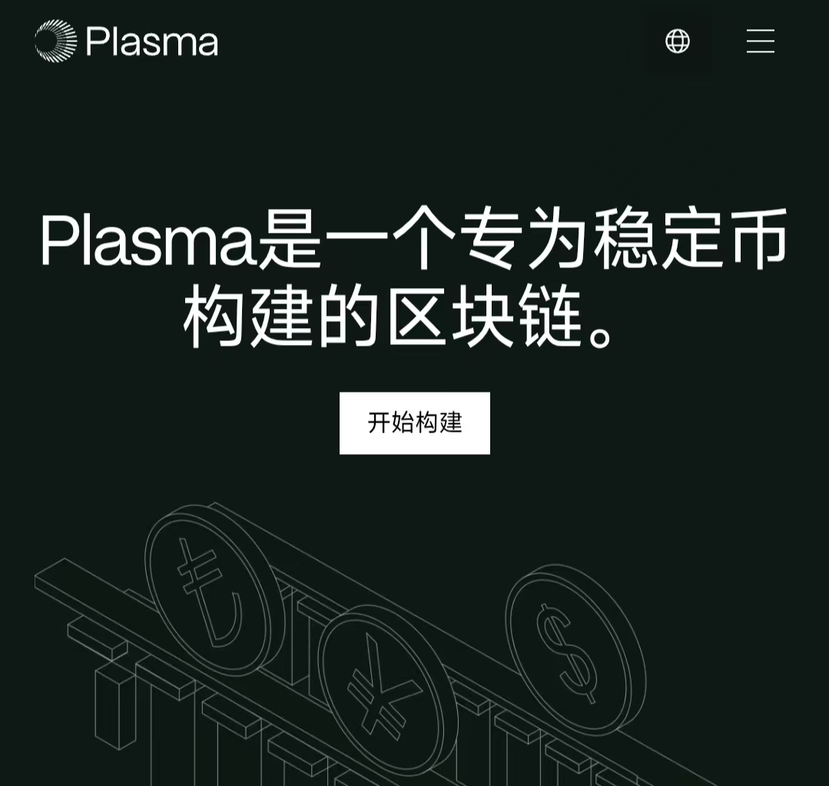
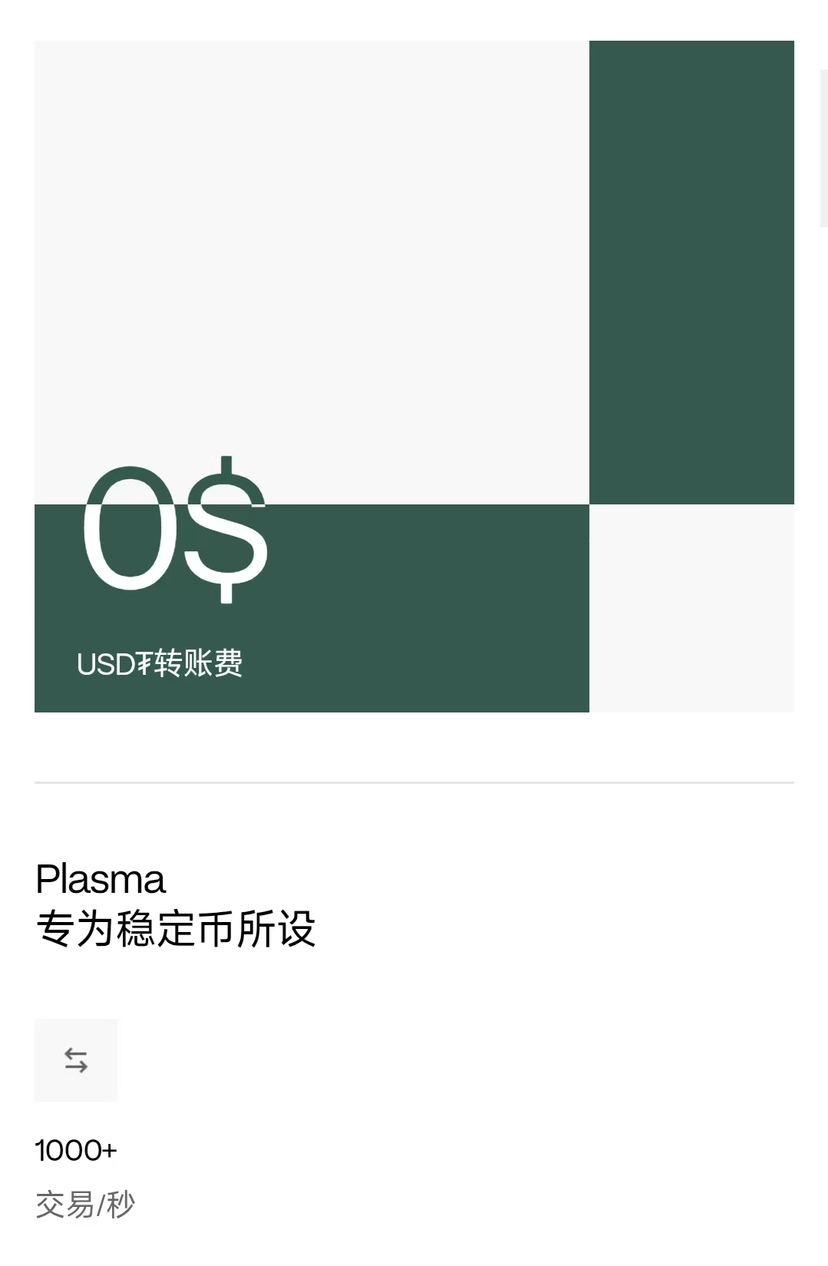
As time passes, stablecoins are growing rapidly at breakneck speed, from nearly $20 billion in 2020 to a scale of $300 billion now. Stablecoins are undoubtedly the absolute hot topic in the cryptocurrency market for the next few years. Moreover, as stablecoins become increasingly integrated into people's daily lives, the inefficiencies and high costs of traditional public chains can no longer meet the demands of stablecoin development. It is against this backdrop that #plasma emerged, offering zero-fee USDT transfers, the security of Bitcoin anchoring, and sub-second confirmation speeds, seemingly charging at traditional public chains, faster, cheaper, and safer than them. @Plasma is initiating a revolution in payment infrastructure.
#plasma It is also making strides in the field of physical consumption by launching plasma one digital banking, expanding USDT payment scenarios to emerging markets like Africa and Vietnam. Users can directly use USDT to pay for everyday items like chips and airfare. This closed loop from on-chain to reality expands the real usage scenarios of stablecoins, attracting users to participate in the plasma ecosystem through consumption rebates, enhancing user stickiness with the convenience of the ecosystem and continuous benefits. In the future, as stablecoins develop, plasma will quietly occupy its own ecological niche.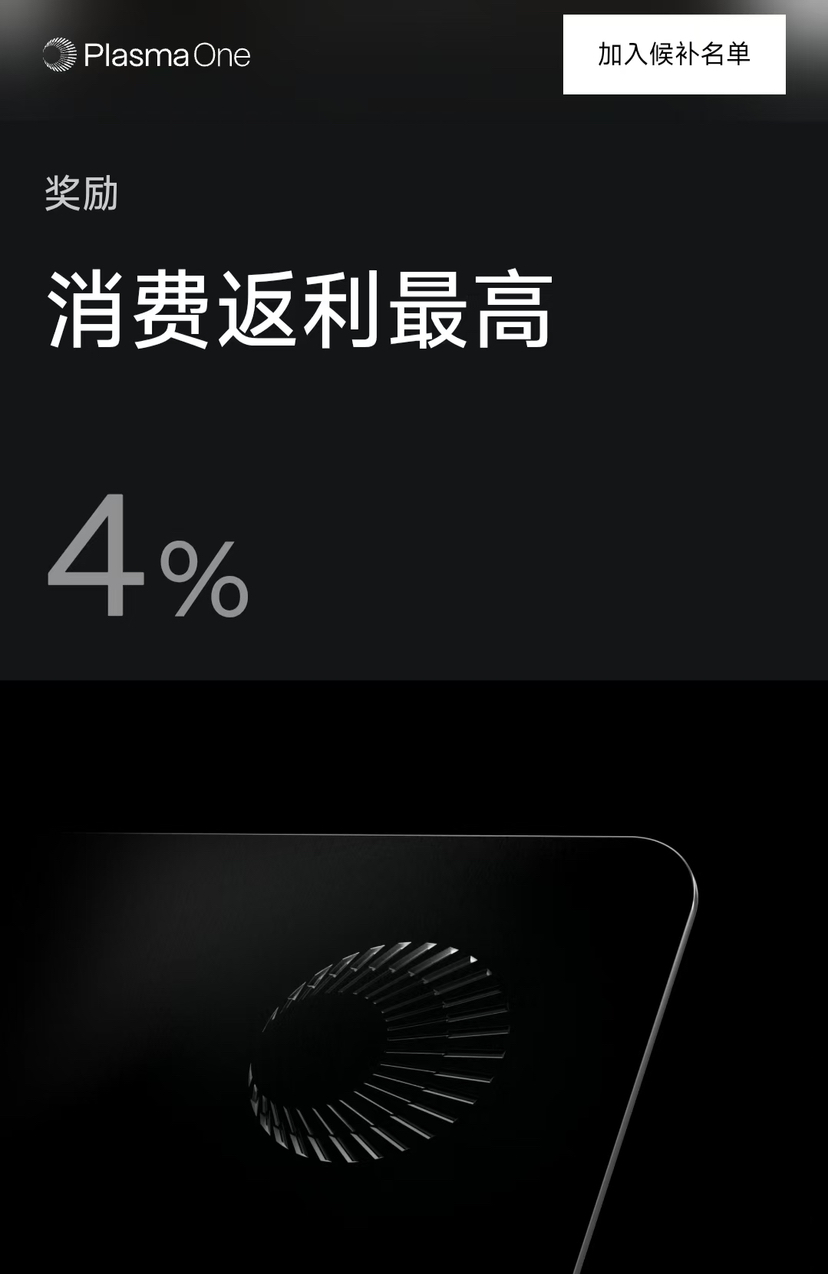
With the backing of Tether, plasma inherently possesses many resources. Through its unique technological architecture, it uses multi-party computation to regularly upload the ledger to the Bitcoin mainnet. This combines the decentralized security features of Bitcoin with EVM compatibility, allowing the Ethereum ecosystem to seamlessly migrate into its own ecosystem. Today, plasma is becoming an important partner for institutions participating in web3, gradually becoming a communication bridge between traditional finance and web3. As stablecoins expand, it silently takes root and strengthens its influence, increasing the liquidity of its ecosystem.
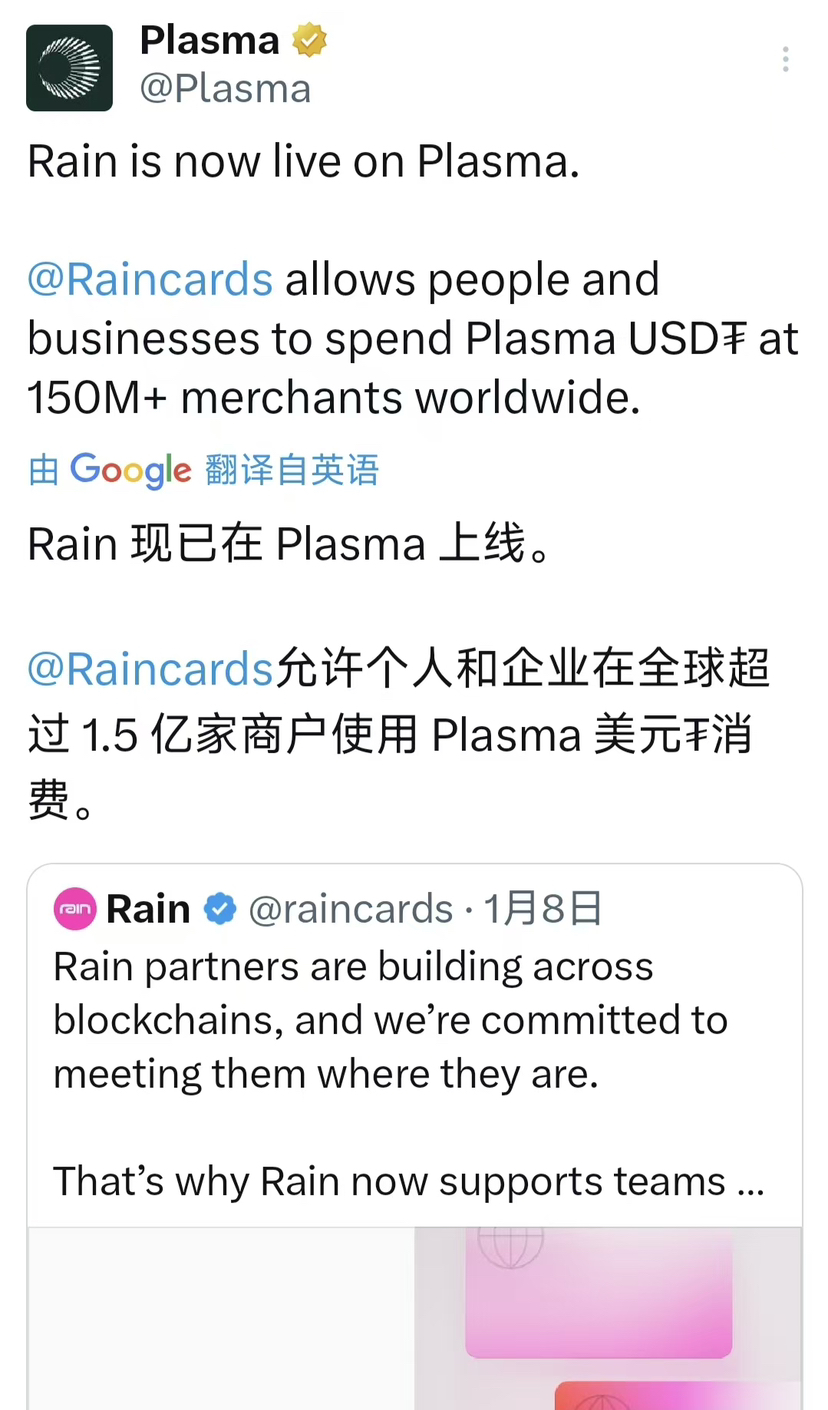
Developing from a place that went unnoticed, similar to a rural encirclement strategy around cities, in the Southeast Asian market, plasma helps cross-border e-commerce save on cross-border transfer fees. In Africa, plasma assists users in automating utility bill payments. By slowly cultivating users' habits in these emerging markets, plasma gradually permeates their daily lives, ultimately forming a habitual barrier. Users will naturally use plasma for transfer transactions in their everyday lives. In the future, as stablecoins truly integrate into daily life, people will continue to use plasma for trading, making it a proactive measure.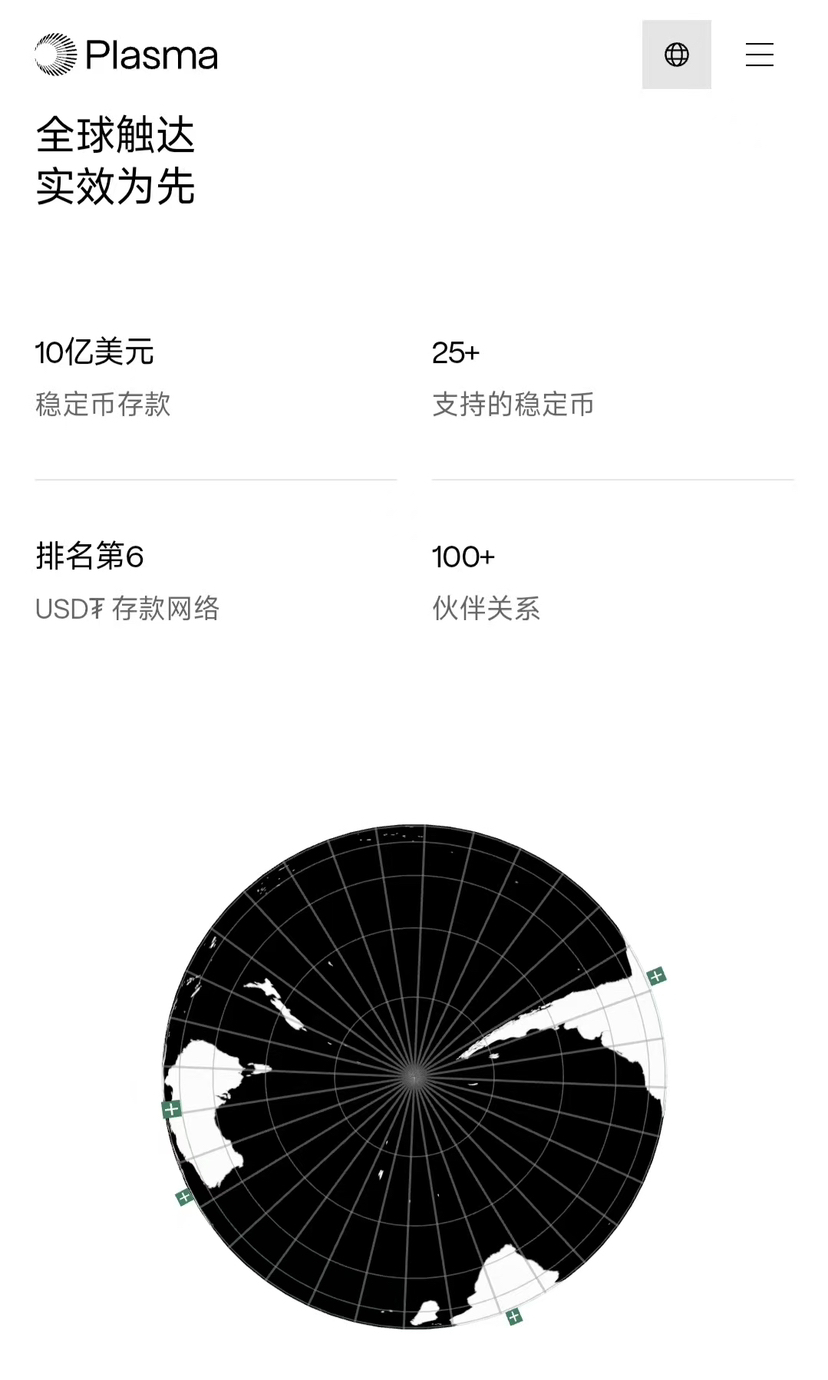
In summary, in today's era where various public chains emerge and disappear like cabbages, plasma has carved out its own unique differentiated competitive track, focusing solely on stablecoin transfer transactions. This allows it to have certain advantages over traditional public chains in the details. To survive in the stablecoin war, one must first stay alive before considering the future, firmly grasping its own piece of land. Plasma's goal in this stablecoin war is not to directly confront traditional public chains but to occupy its own stablecoin ecological niche through an optimized payment experience and specific demand scenarios.