


Why most crypto participants lose money
The blockchain market has always been fueled by stories of overnight success. Those narratives are powerful, and they tap directly into a very human weakness: impatience. Many newcomers rush in chasing the promise of “100x returns” and skip one critical step-proper research. When that happens, they often become easy targets for scams, classic rug pulls, or even more dangerous slow rugs, where teams remain semi-active while quietly offloading tokens onto unsuspecting investors.
There is a quote often attributed to Warren Buffett that fits crypto surprisingly well: when you realize you are digging yourself into a hole, the smartest move is to stop digging. Learning how to recognize scams early does not guarantee profits, but it dramatically increases your chances of keeping your capital intact long enough to make rational decisions.

Following a project’s social footprint closely
A legitimate crypto project almost always maintains a consistent and professional presence across its social channels. Platforms like X are useful not just for announcements, but for judging substance. Roadmap updates, AMAs, and community engagement matter far more than raw numbers such as likes or retweets, which can be artificially inflated. The real signal is whether the team responds thoughtfully to questions and criticism.
Community platforms such as Discord often reveal even more. When announcement channels go silent for long periods, or moderators respond with scripted answers that avoid real progress updates, it is usually a warning sign. For technical projects, activity on GitHub is another layer of truth. Sparse commits or unresolved pull requests over extended periods often indicate that development has stalled, regardless of marketing claims.

Evaluating the team behind the project
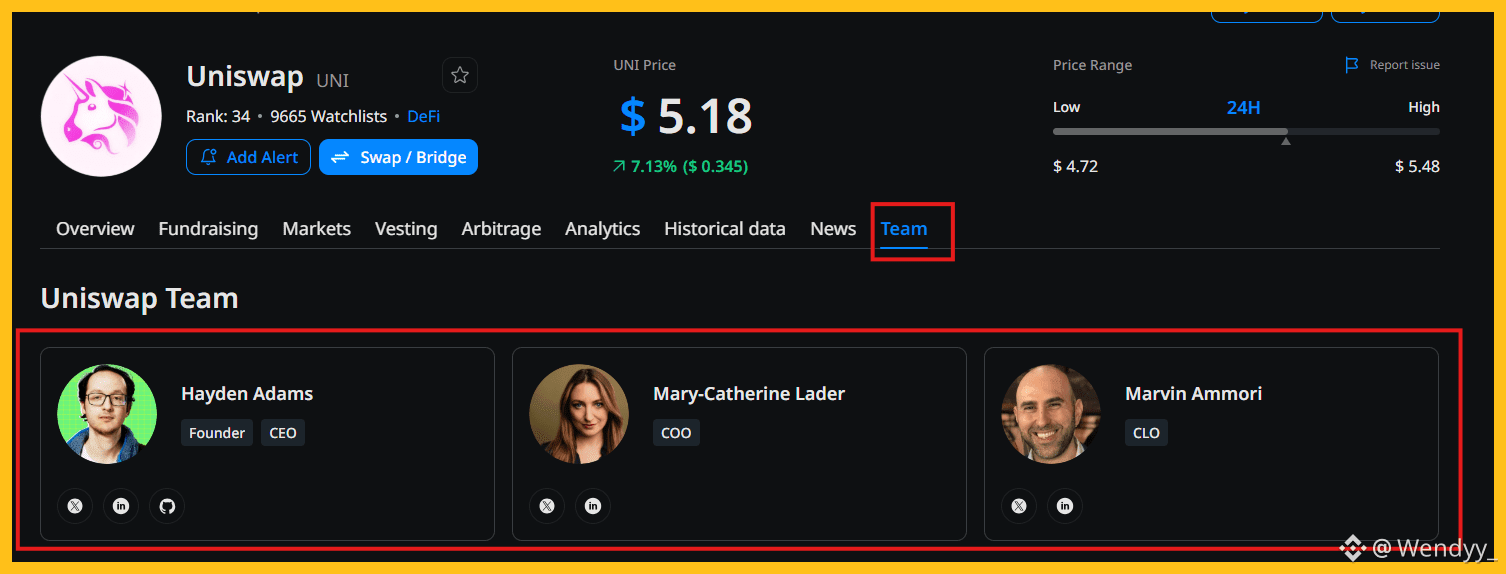
Among all warning signs, team transparency is one of the most important. Strong projects are rarely built by anonymous or unverifiable teams without a compelling reason. Checking backgrounds through professional networks or crypto data platforms helps answer crucial questions: have these people built anything meaningful before, do they have real blockchain expertise, and are they associated with past failures or controversies?
Crypto history offers plenty of cautionary examples. Figures like Moshe Hogeg or Dan Larimer are often cited when discussing projects that raised significant funding but struggled due to leadership issues or lack of long-term commitment. By contrast, reputable protocols such as Uniswap openly present their core contributors and technical direction, reinforcing trust with the community.
Being cautious with unusually high valuations
One of the most common patterns in slow rugs is excessive valuation disconnected from reality. When a project launches with a fully diluted valuation in the billions while having minimal users, weak revenue, or little real adoption, the risk profile is immediately skewed. These projects often rely heavily on aggressive marketing to push token prices upward, allowing early investors or venture funds to exit quietly.
Cases like Wormhole or Mantra illustrate how inflated initial valuations can lead to long, painful downtrends after listing. Retail investors who enter late often absorb the losses once hype fades and fundamentals fail to catch up.
Verifying everything with on-chain data
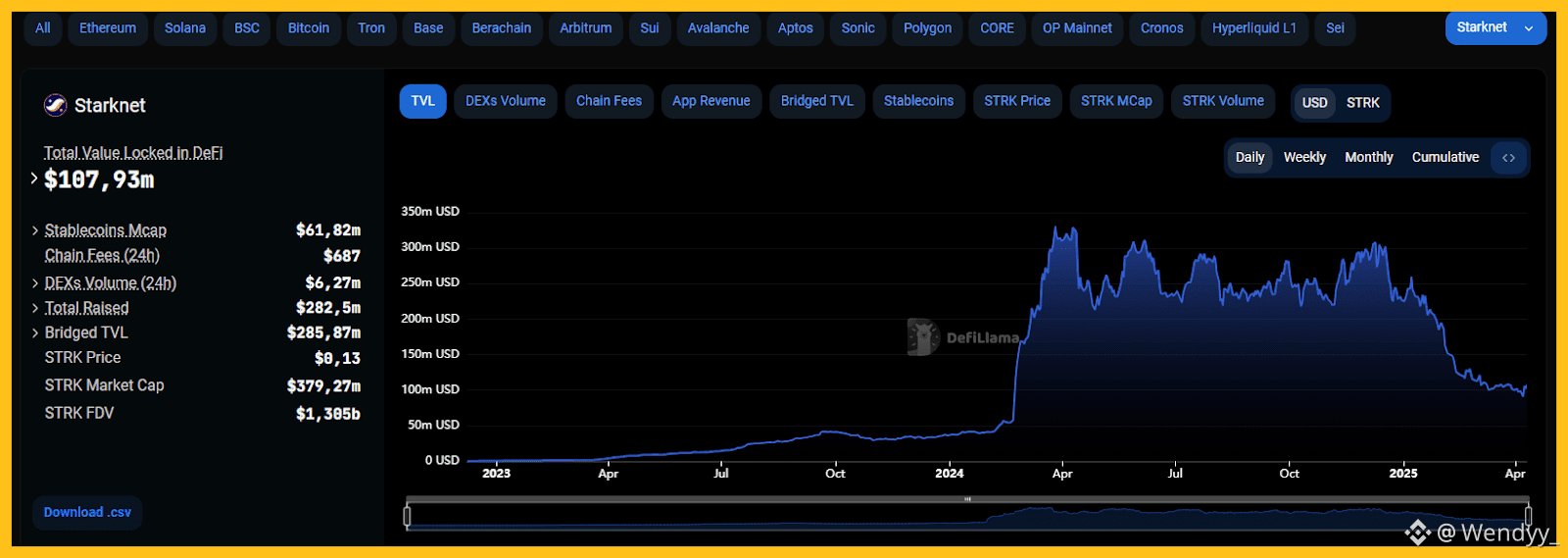
Blockchain data does not lie, and on-chain analysis is often the final filter before making an investment decision. Tools such as DeFi Llama allow you to track TVL changes and capital flows, helping identify whether money is entering or quietly leaving a protocol.
More advanced platforms like Nansen and Arkham make it possible to monitor wallets associated with teams or large holders. Sudden transfers of large token amounts to centralized exchanges, especially without prior announcements, often signal an incoming sell-off. In several historical cases, such movements were visible days or weeks before major price collapses.
A practical takeaway
Mastering these four skills-social analysis, team verification, valuation sanity checks, and on-chain monitoring-will not make you rich overnight. What they do offer is something far more valuable in the long run: protection against unnecessary losses. By combining all four perspectives instead of relying on a single signal, you gain a clearer, more balanced view before committing capital.
In crypto, survival comes first. Profits only matter if you are still in the game to realize them.


