
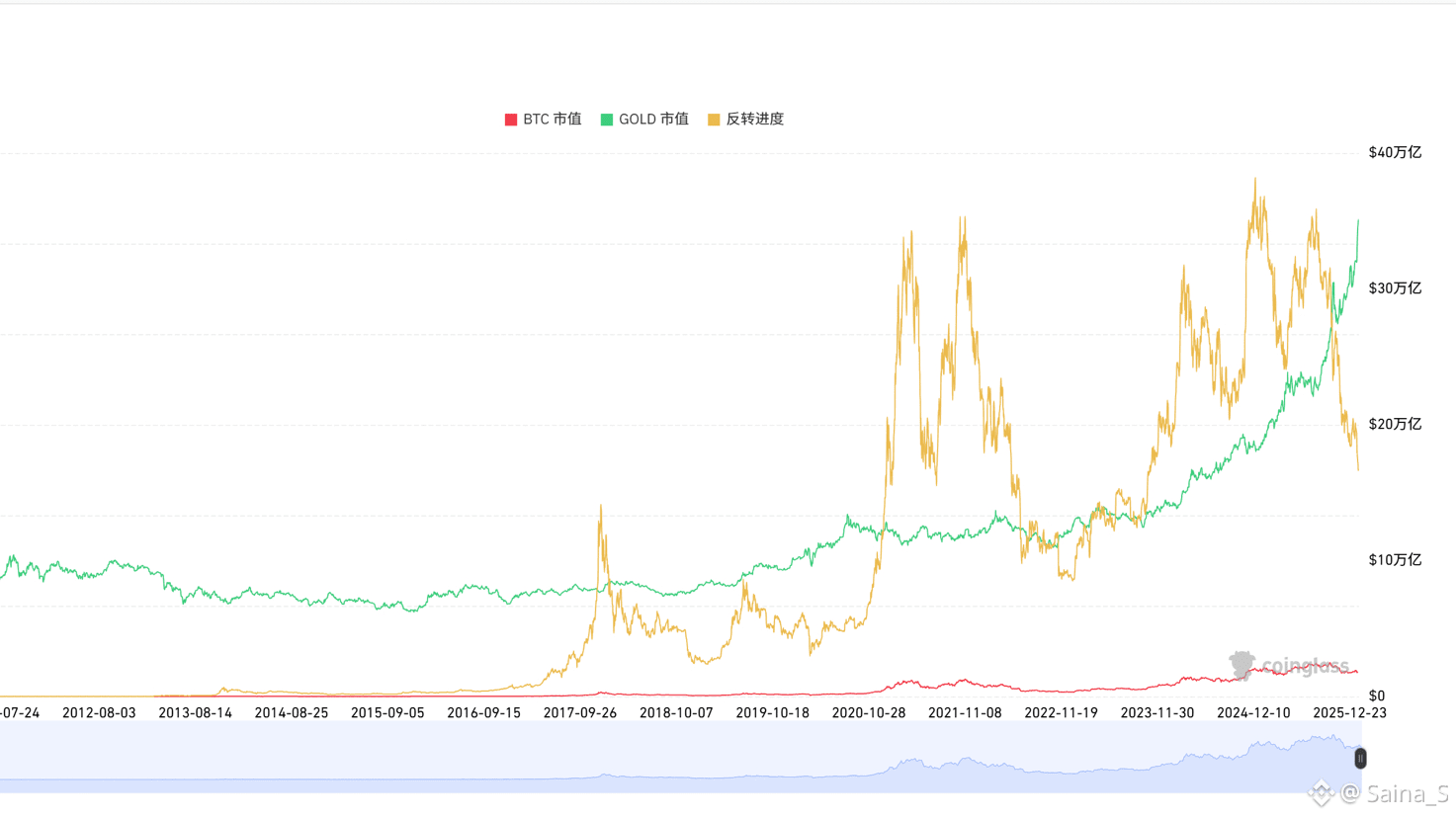

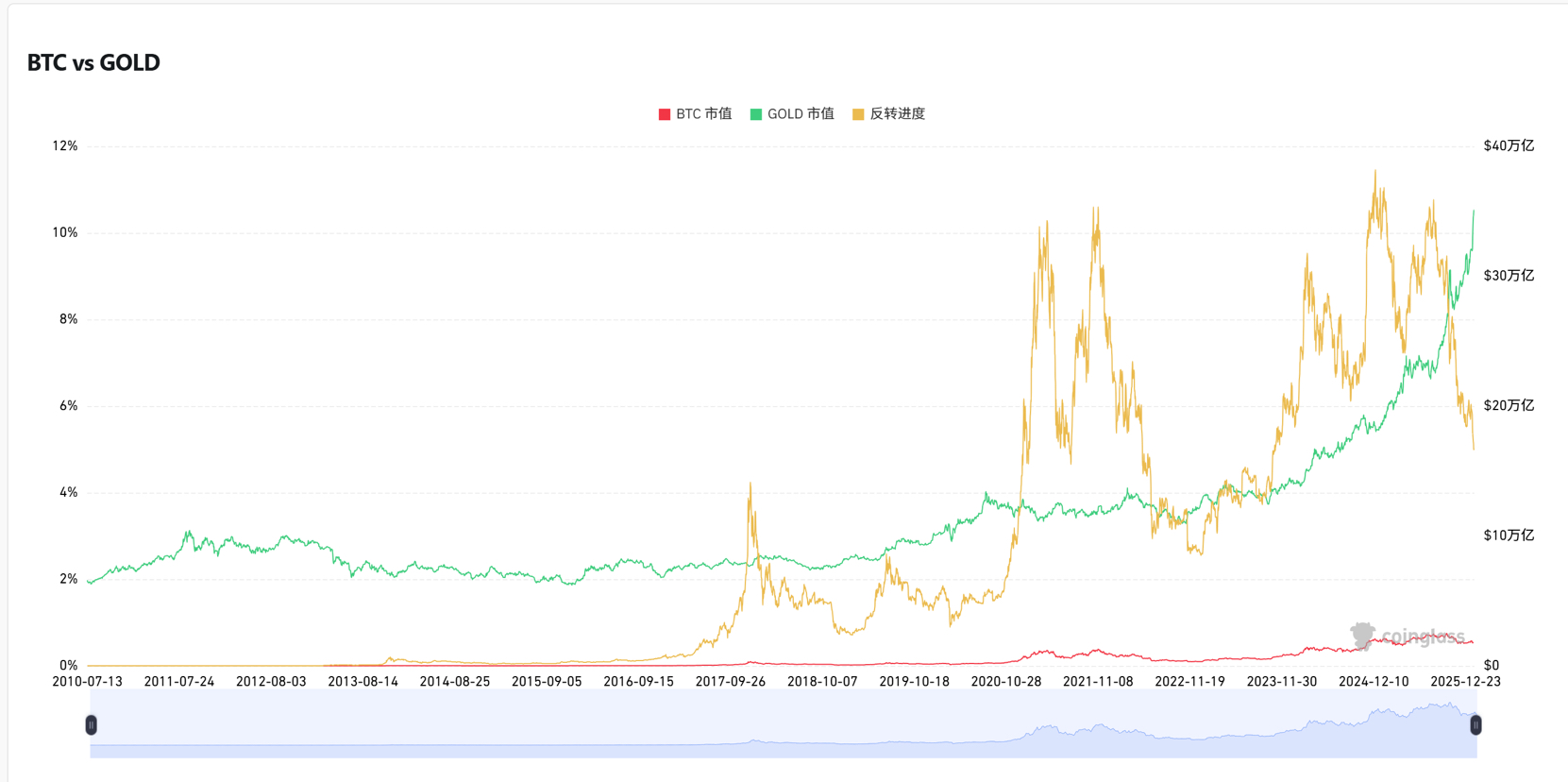
In recent weeks, many media outlets have reported on the century-long battle between BTC, often referred to as 'digital gold', and gold. However, the increasing instability brought about by global geopolitical tensions and economic confrontations is becoming increasingly evident. From the perspective of global capital's risk aversion and speculation, the position of the cryptocurrency market remains relatively awkward.
If we say that the cryptocurrency market has a higher risk-hedging attribute, we can see that the military pressure from the US on Iran and other geopolitical risks have led to a noticeable overall decline in both the US stock market and the cryptocurrency market last week. It is intuitively observable that the outflow of cryptocurrency ETFs has been significant. From January 16, 2026, to January 23, 2026, Bitcoin spot ETFs experienced a continuous net outflow for 5 days, totaling 18,845.13 coins (1.65 billion USD), which represents 3% of the total Bitcoin ETF volume of 608,100 coins. In contrast, gold has seen record inflows, soaring to 5,110 USD/ounce. In terms of uncertainty caused by geopolitical crises, capital tends to favor traditional safe-haven assets; currently, BTC's risk-hedging attribute is far lower than that of gold, Swiss francs, and other safe-haven assets.
If we say that the crypto market has a high speculative attribute, the current state can be judged that although there are still many bearish sentiments in the market, funding is still betting on risk control starting from the U.S. stock market, with the amount of betting funds significantly exceeding historical data. This means that a considerable portion of investors still hold a relatively optimistic attitude towards the bull market in 2026, and the inflow of funds can be judged rather than predicted. We can also see that this week Bitcoin/Ethereum ETF is also in an inflow state.
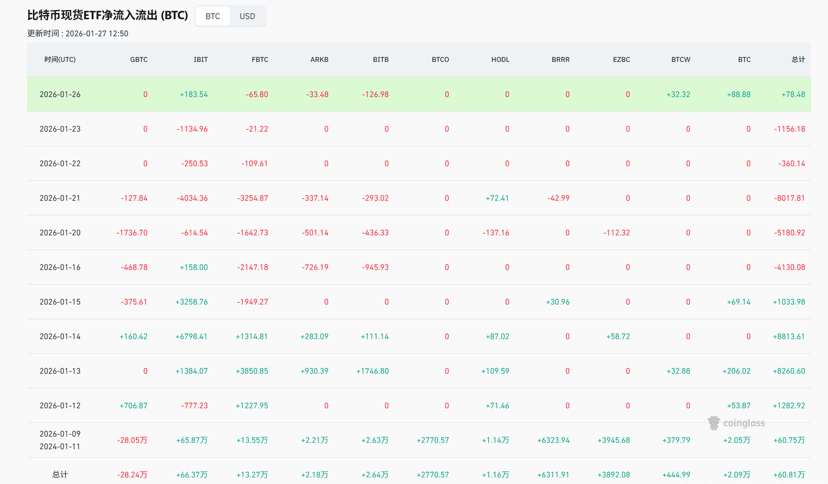
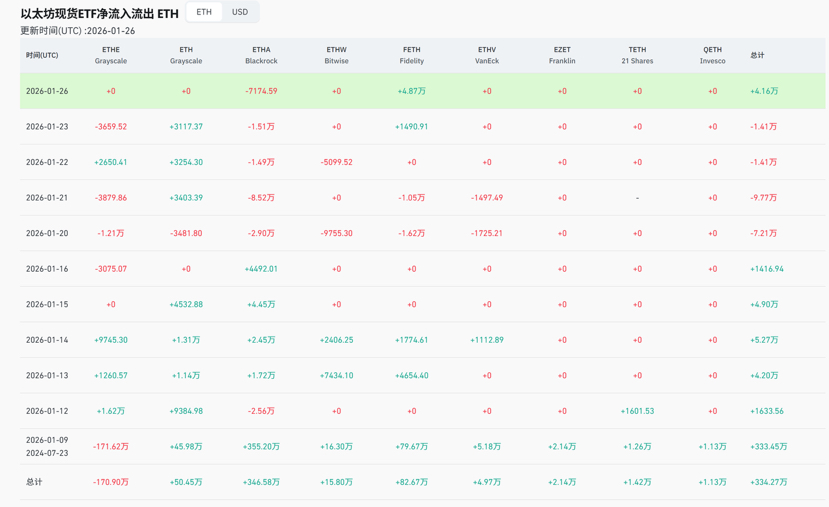
However, looking back at the current spot ETF of BlackRock IBIT, its market capitalization ranking has already fallen out of the top 10, indicating that traditional capital's interest in the crypto market is no longer as active as it was in 2025.
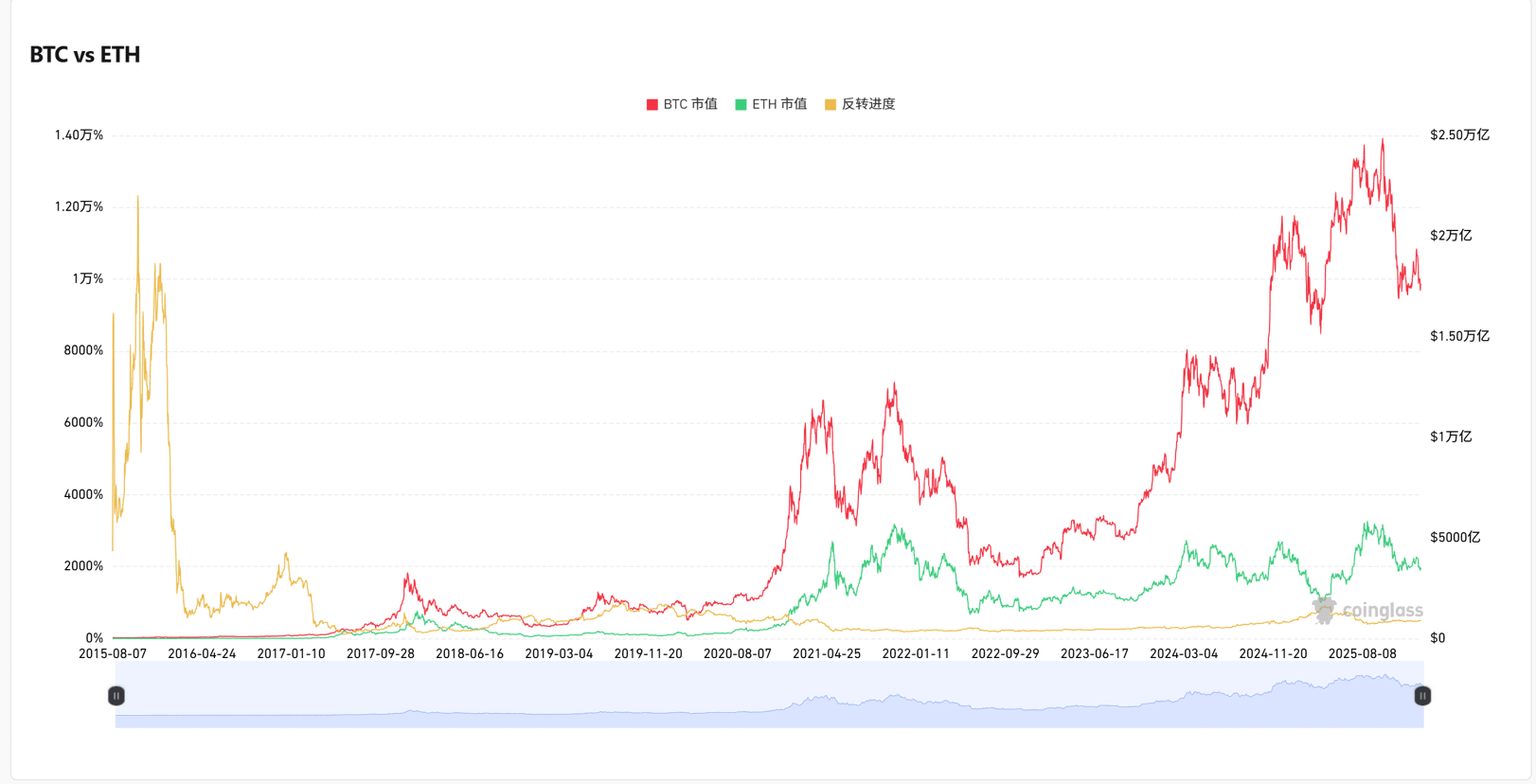
Especially ETFs like ETH and SOL. From the liquidity perspective of the crypto market, it has become quite severe. We can intuitively find through the following BTC vs ETH chart that during the rising phase of Bitcoin, the inflow of funds into Ethereum shows a clear lack of momentum, while during Bitcoin's decline, the drop is even more pronounced. Over time, the price remains unchanged or even lower. The decrease in liquidity in the crypto market still causes a lack of confidence among investors. However, at least BTC's strong correlation with the Nasdaq is something to celebrate. Under the rising conditions of the U.S. stock market in 2026, the crypto market will also experience correlated increases or even improvements in liquidity.#Strategy增持比特币 #美国伊朗对峙