
What’s changed for @Dusk recently isn’t the vision. It’s the context. The industry around it is starting to behave the way Dusk was designed for from the start. A good example is how regulated tokenization in Europe is progressing. We’re no longer talking about generic “RWA narratives.” We’re seeing licensed venues, real issuers, and real regulatory frameworks shaping what can and can’t exist on-chain. That’s where Dusk Network feels increasingly well-positioned.
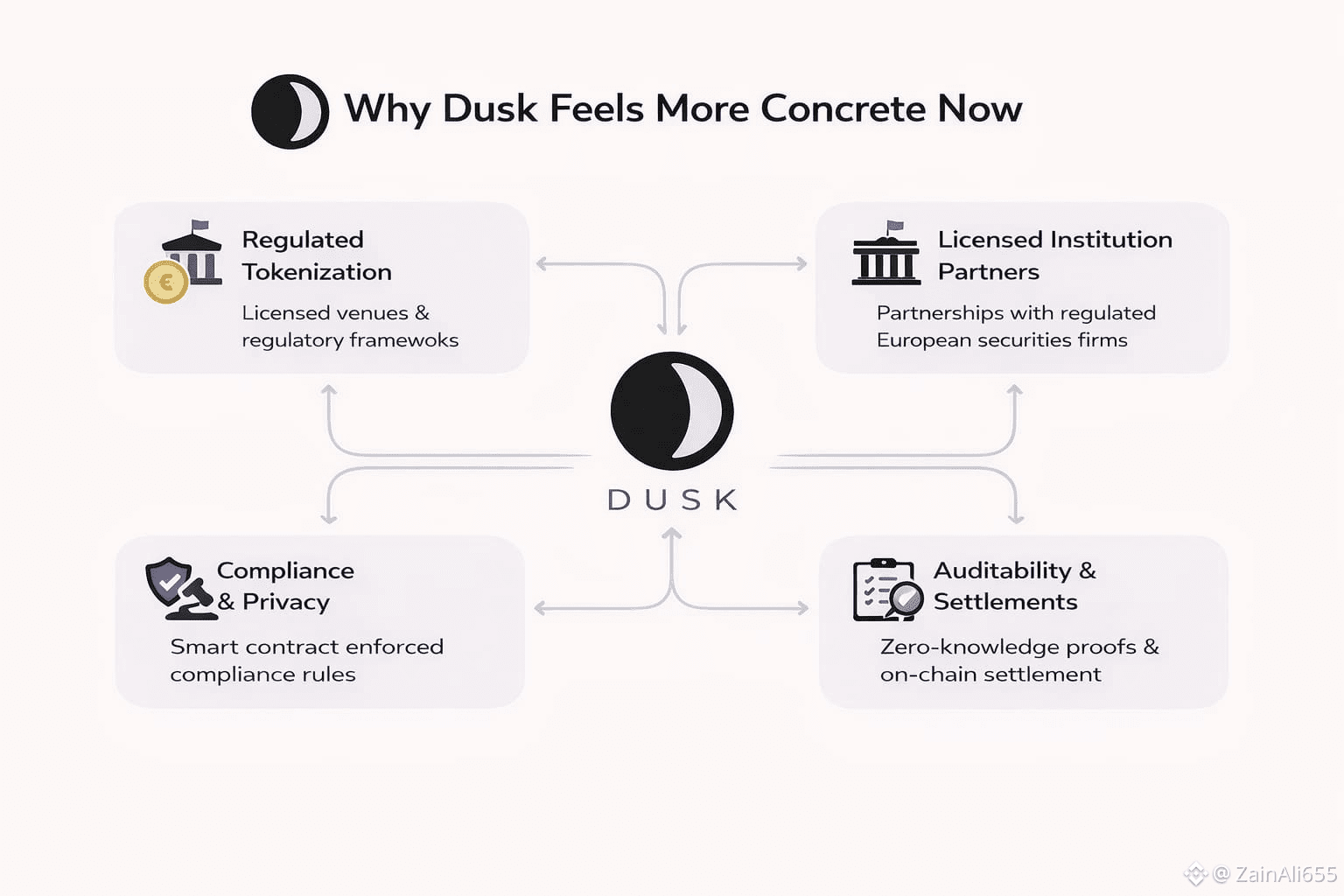
Dusk was built as a Layer 1 for regulated, privacy-focused financial infrastructure, and that design choice is starting to line up with reality. In current European tokenization efforts, including securities issuance and secondary trading, full transparency simply isn’t acceptable. Counterparties, order flow, balances, and investor eligibility all need protection, while regulators still need assurance that the rules are enforced. That combination is hard to support on public-by-default chains. One of the more meaningful signals lately is Dusk’s work around regulated securities infrastructure with licensed European partners like NPEX. That kind of integration matters because it forces the chain to operate under real constraints. Transfer restrictions, investor eligibility, and settlement rules aren’t optional features. They’re requirements. Dusk’s zero-knowledge architecture allows those rules to be enforced directly on-chain without broadcasting sensitive data, while still producing proofs that regulators and auditors can rely on.
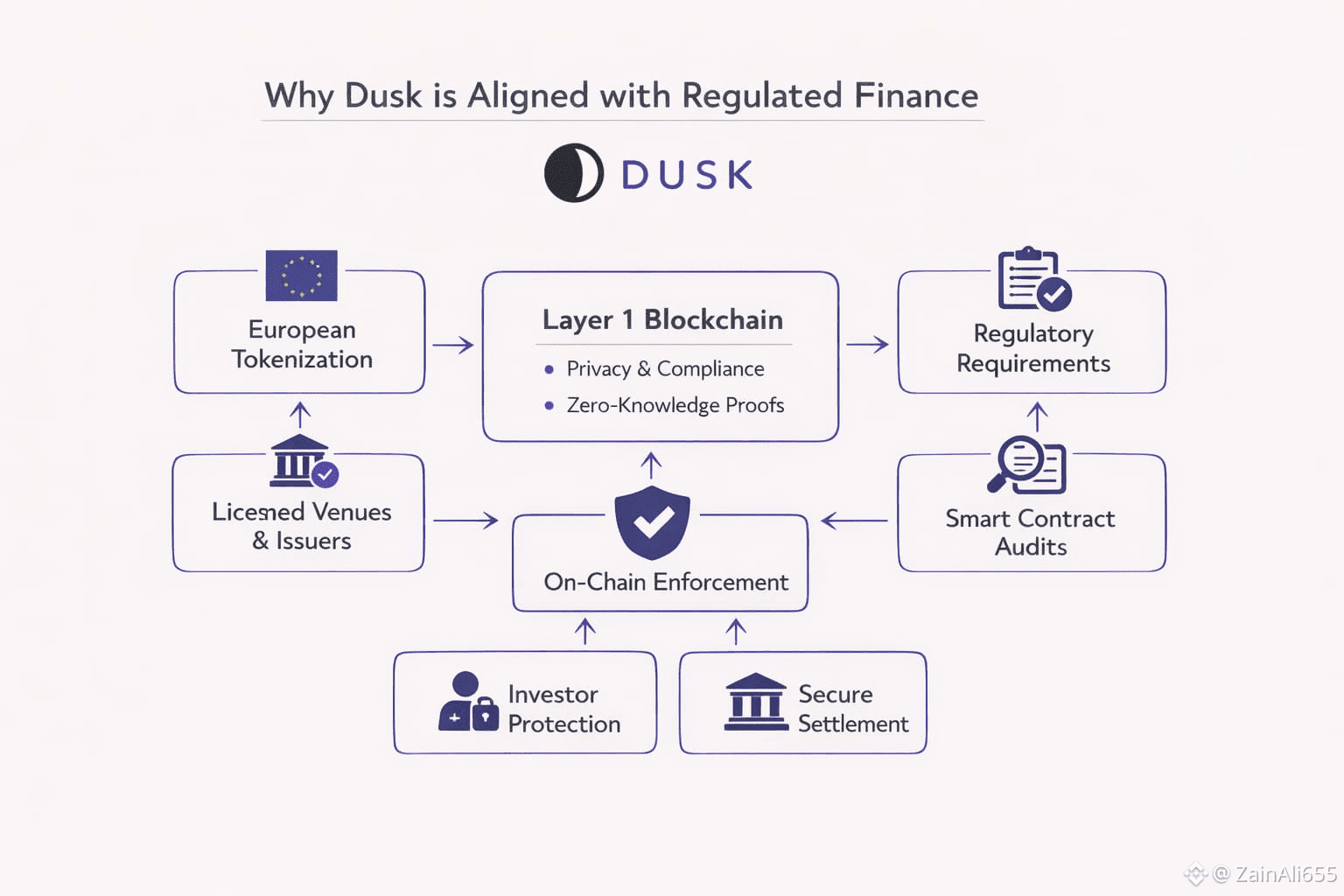
Another shift happening right now is how compliance teams think about audits. Rather than long reporting cycles and off-chain reconciliation, there’s growing pressure for systems that can show compliance continuously. Dusk’s approach, where compliance logic lives inside smart contracts rather than around them, fits that shift. Proof isn’t reconstructed after the fact. It’s generated as execution happens. That reduces operational risk and makes audits easier to defend. Regulation itself is also becoming more granular. Tokenized equities, debt instruments, funds, and settlement layers all face different disclosure requirements, even within the same jurisdiction. Dusk’s modular design allows privacy and auditability to be configured at the application level, which mirrors how regulation actually works in practice. That flexibility becomes important once systems move beyond pilots and are expected to stay live.
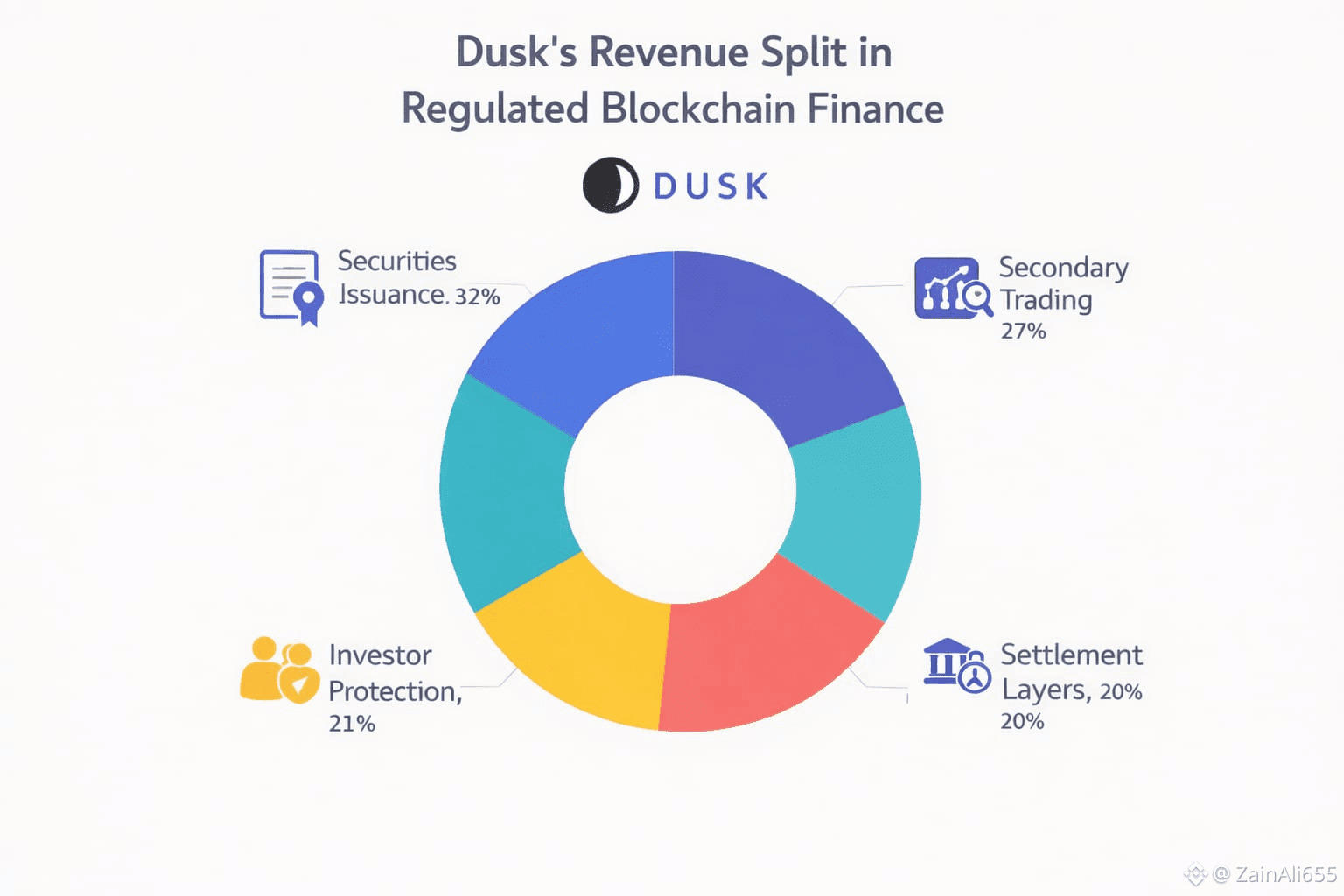
You can see this reflected in institutional behavior too. There are fewer initiatives, longer timelines, and much higher standards. Infrastructure is being evaluated on whether it can survive legal review, compliance testing, and multi-year integration cycles. Many general-purpose Layer 1s struggle here because they were built for openness and composability first. $DUSK feels like it was built with scrutiny in mind. None of this guarantees success. Execution still matters, and competition in regulated on-chain finance is increasing. But what feels different now is that Dusk’s original design choices are lining up with how regulated blockchain systems are actually being built today. I don’t see Dusk as chasing momentum. I see it quietly fitting into the shape that institutional on-chain finance is taking. As tokenization moves from experimentation into real deployment, privacy, predictability, and auditability stop being differentiators. They become table stakes. And that’s where #dusk starts to look less theoretical and more practical.