
A lot of people hear about scaling solutions and immediately tune out. It sounds technical, boring, or like something only developers should care about. But the truth is, this matters on XPL Plasma because it directly affects how Web3 feels for everyone. Users, builders, traders, creators, even people just testing crypto for the first time.
Web3 has a big promise. Open systems, no middlemen, global access. But that promise starts to crack when networks get congested, transactions slow down, and fees spike for no clear reason. People don’t leave Web3 because they hate the idea. They leave because using it becomes annoying. $XPL @Plasma exists to deal with that exact frustration.
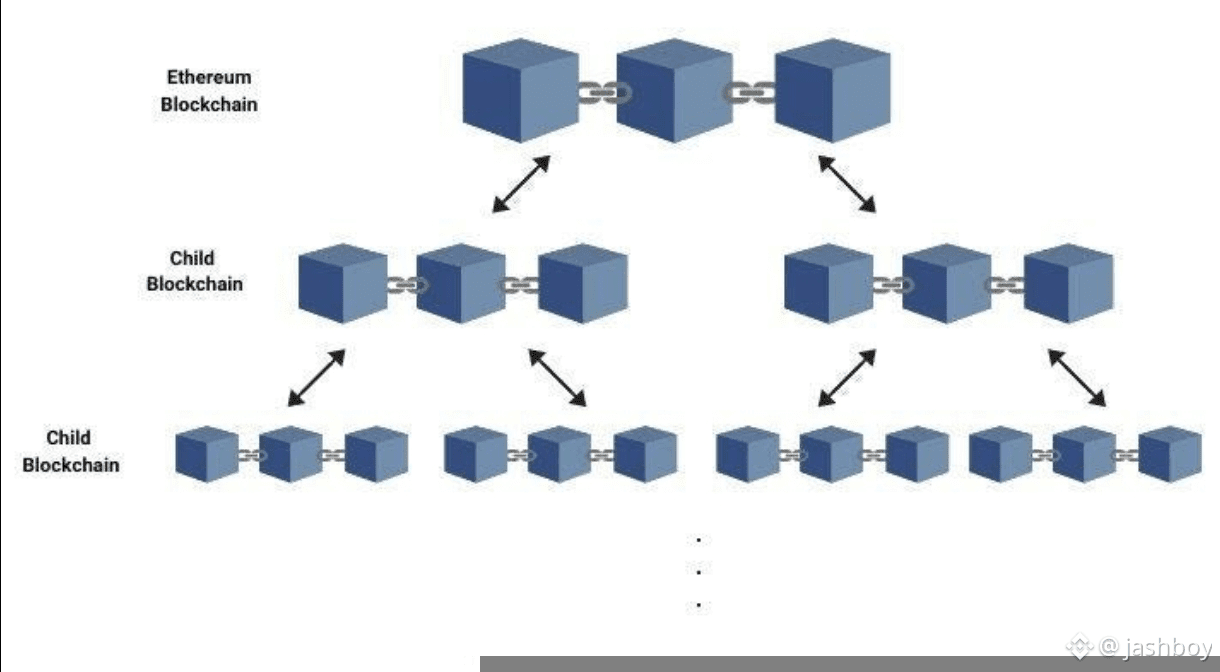
One major reason this matters is efficiency at scale. Web3 is no longer a small playground. Millions of users are interacting on-chain, and that number keeps growing. Without smarter infrastructure, the system clogs up. XPL Plasma helps by moving activity into a more efficient execution layer, so the main network isn’t overwhelmed every time usage increases. This keeps things running smoother, even when demand is high.
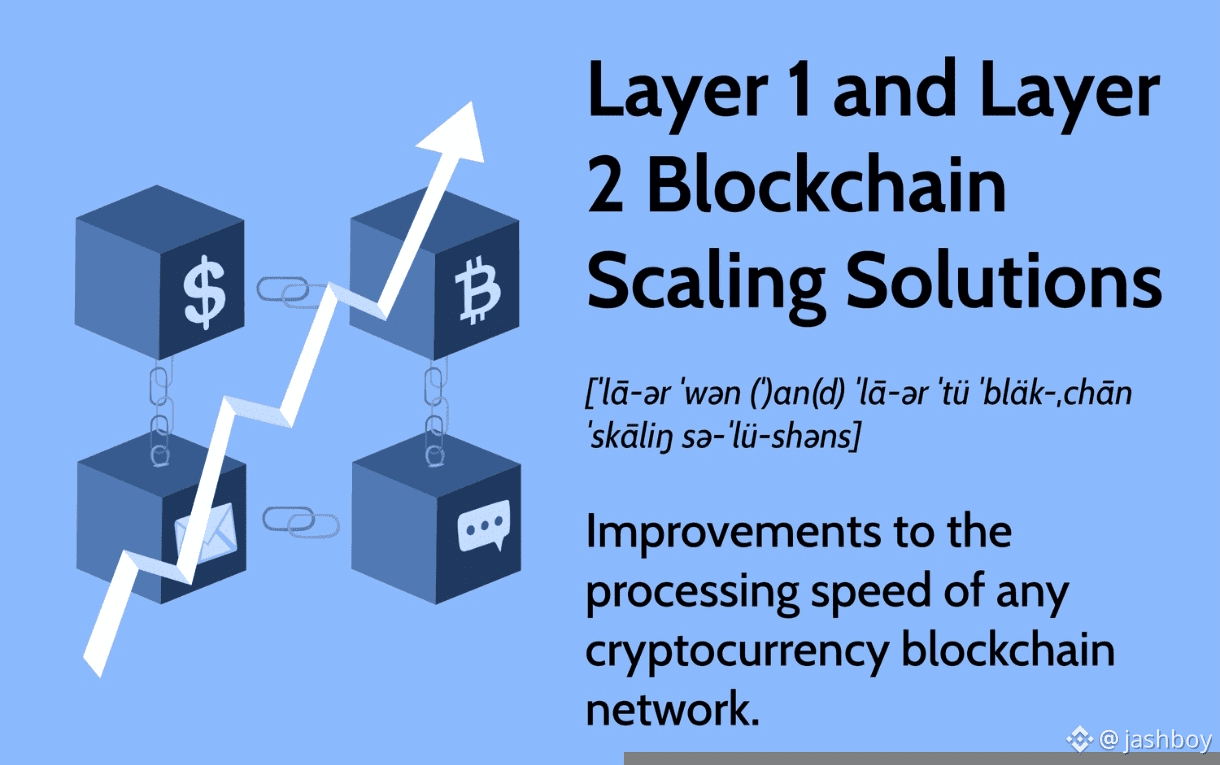
Then there’s cost. High fees quietly kill adoption. When someone needs to pay more in gas than the value of the transaction itself, the system stops making sense. XPL Plasma focuses on reducing that friction. Lower fees don’t just help power users. They help beginners, small traders, and people from regions where every dollar matters. That inclusivity is not a bonus, it’s essential.
This also matters because of speed. In DeFi, timing is everything. Slow confirmations can mean missed trades, lost opportunities, or worse execution. Plasma-based systems allow transactions to be processed faster without sacrificing the core security of the network. When things feel instant, users trust the system more. And trust is everything in crypto.
Another key point is developer freedom. Builders are constantly pushing limits, but infrastructure often holds them back. If deploying smart contracts is expensive or unpredictable, teams play it safe. XPL Plasma gives developers an environment where they can experiment, iterate, and scale without burning resources on every test. That leads to better products, not just more products.
And better products matter because Web3 isn’t just finance anymore. We’re seeing growth in on-chain games, social apps, NFT platforms, and creator tools. These use cases require a lot of interactions. Not one transaction per week, but dozens per session. Without something like XPL Plasma, these apps feel clunky or overpriced. With it, they feel closer to Web2-level smoothness, while staying decentralized.
Security also plays a big role here. Scaling should never mean cutting corners. Plasma systems are designed to keep user funds protected while still offering performance improvements. That balance is critical. Users should never feel like they’re trading safety for convenience. When infrastructure respects that, long-term confidence grows.
Another reason this matters is sustainability. Not just environmental, but ecosystem-level sustainability. If networks only work during low usage periods, they’re not ready for mass adoption. XPL Plasma is about building something that works today and still works when usage is ten or even a hundred times higher. That’s how Web3 becomes reliable instead of experimental.
There’s also a mindset shift here. XPL Plasma represents a move away from hype-first development. Instead of launching flashy features that break under pressure, it focuses on core functionality. Quiet improvements that users feel, even if they don’t see them. That kind of infrastructure doesn’t trend on social media every day, but it’s what keeps ecosystems alive
For users, this means fewer failed transactions, less stress, and more confidence interacting on-chain. For builders, it means room to grow. For the ecosystem, it means stability. All of that connects back to why this matters.
At the end of the day, Web3 doesn’t win by being complicated. It wins by being useful. XPL Plasma helps push Web3 in that direction by solving real problems instead of just talking about them. That’s why this matters. Not in theory, not in whitepapers, but in how people actually use crypto every day.

