In early 2026, gold surged to 5000 USD, and silver skyrocketed. According to previous conventions, when gold prices rise, Bitcoin should follow suit. However, Bitcoin is fluctuating around 90,000 USD and appears somewhat sluggish. Many people are panicking: has Bitcoin's safe-haven property failed?
Why did the funds choose gold and silver?
1/ In 2026, global central banks are still frantically accumulating physical gold to de-dollarize.
2/ Silver is an essential component for the AI industry. Everyone knows that AI chips and computing centers require excellent conductivity, and silver is the best conductive metal. In the past, silver was for jewelry; now it is the backbone of AI, and this tangible consumption makes large funds feel very certain.

2024 to 2026: The identity transformation of Bitcoin.
Two years ago, everyone thought Bitcoin could resist inflation and avoid wars. As soon as the world gets chaotic, gold and crypto would rise together. But this year, you will find that Bitcoin's fluctuations are almost entirely revolving around the U.S.
Data, interest rates, and ETF subscriptions have become the new switches for market trends.
With the popularity of ETFs, Bitcoin is being systematically integrated into the U.S. stock system, and it is increasingly resembling a new member of the Wall Street asset pool.
It is no longer that 'safe haven' detached from sovereign narratives.
Rather than saying it is digital gold, it is more accurate to say it is becoming a high-volatility asset in the U.S. stock system.
In troubled times, buy gold; in prosperous times, buy a big pancake. When the market worries about systemic risks, people tend to prefer tangible metals. It is only when everyone feels safe, wants to make money, and seeks high returns that they will rush madly towards Bitcoin.
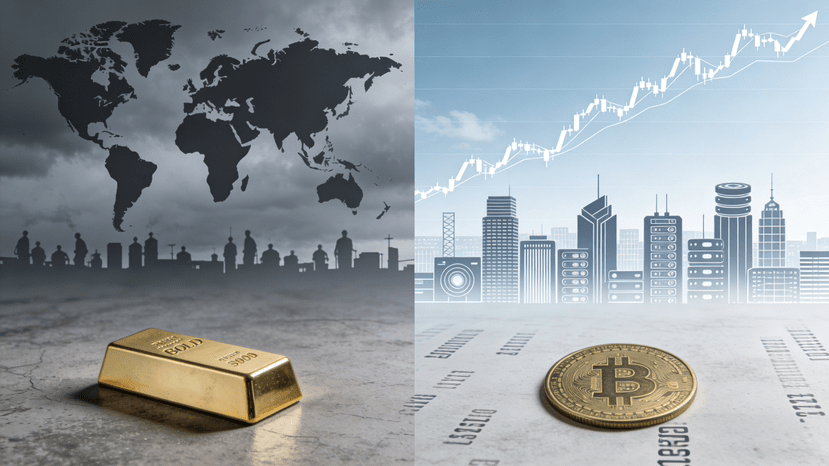
At this point, many people might say: then I will still buy physical gold and silver, something I can see and touch.
But is the physical object you see really real?
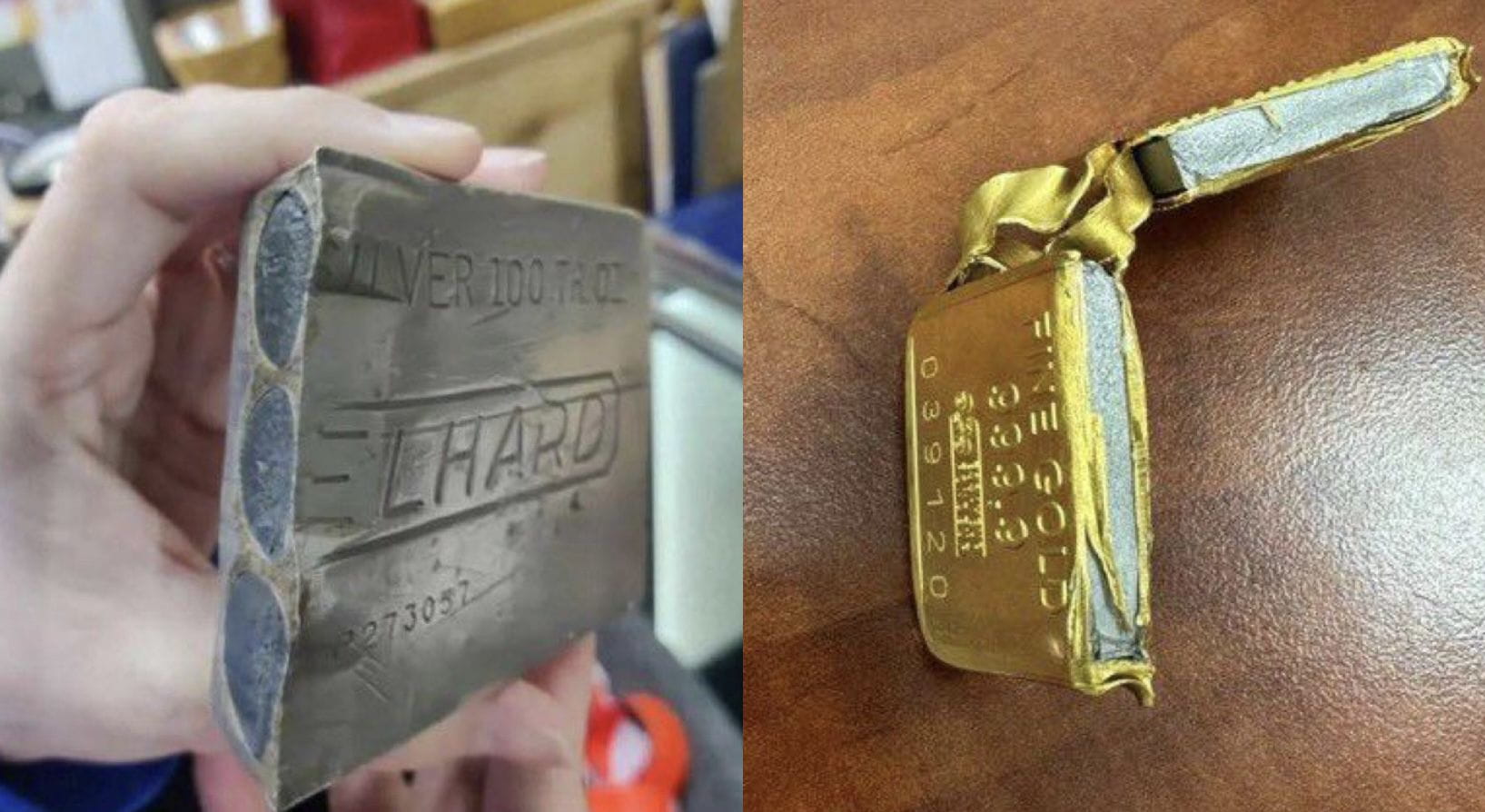
These two images that have recently gone viral: they look like heavy gold and silver bricks, but when cut open, they turn out to be counterfeit products mixed with other metals. By 2026, the means of producing such counterfeit physical goods will become increasingly sophisticated, and ordinary people will be unable to distinguish them.
This is why I have always insisted that
Although Bitcoin is 'virtual', it is more 'real' than physical assets.
Gold - may be adulterated, and you have to ask professional institutions to help you authenticate it.
Silver - huge in volume, with storage and transportation being costs.
Bitcoin - cannot be forged, transparent, and traceable.
So don't think Bitcoin is failing just because it hasn't risen with gold recently. Gold is rising due to risk aversion, while Bitcoin represents a consensus of trust. In 2026, gold may be adulterated, but the blockchain will never deceive.
Before pursuing visible security, think clearly about one thing: is what you see really true?
If you care about verifiable and immutable asset sovereignty, then Bitcoin's pullbacks are never punishments, but rather selections.