

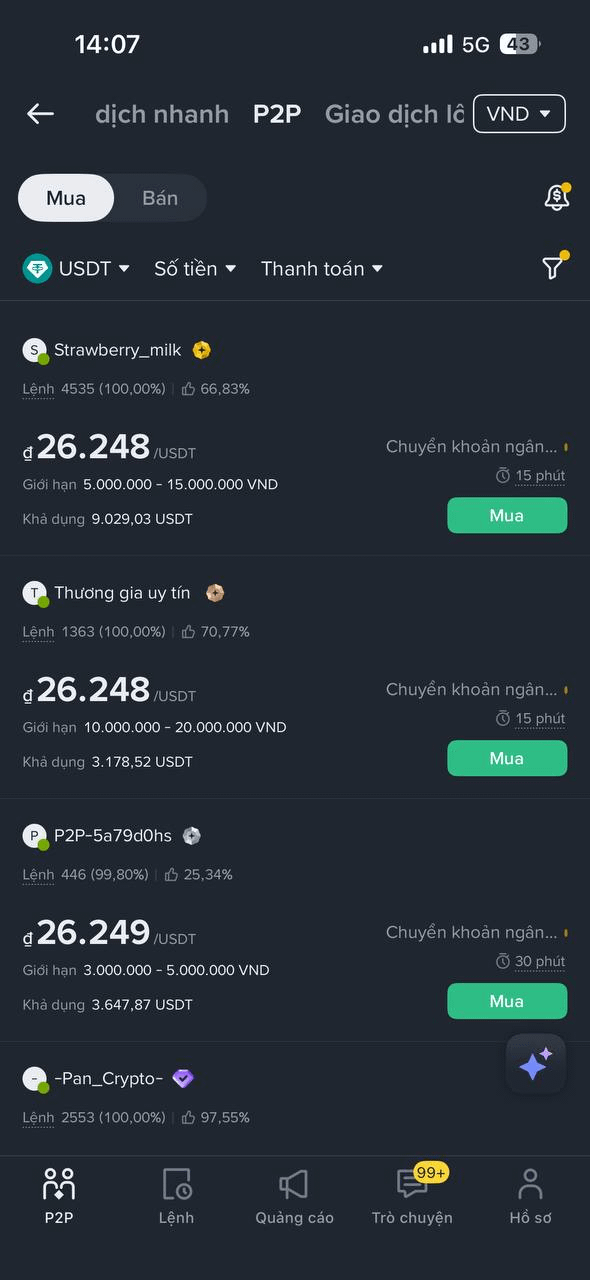
In recent days, the P2P exchange rate on crypto exchanges like Binance has dropped sharply, the reason for this is that the USD has fallen to its lowest level in 4 months due to pressures from monetary policy, geopolitics, and the simultaneous trend of diversifying global reserves.
USD has weakened significantly since the beginning of 2026
At the end of January 2026, the USD entered a clearly weakening phase. Specifically, in January, the US dollar decreased by about 1.5%, extending its decline of over 9% since 2025, the strongest drop since 2017. This trend reflects changes in monetary policy, market expectations, and global capital flows.
The market has raised questions about US and Japan intervening in the USD/JPY exchange rate, pushing the Yen up to support exports. This is seen as a trigger for a wave of USD selling in the Asian foreign exchange market.
Additionally, the hardline policies and statements from President Donald Trump, from threats of high tariffs to pressuring the Fed and expanding public spending, have raised concerns about inflation and public debt. This has led the market to believe that the US is tacitly accepting a weak USD, diminishing the role of this currency as a safe haven in the short term.
Expectations of the Fed cutting interest rates narrow the USD advantage.
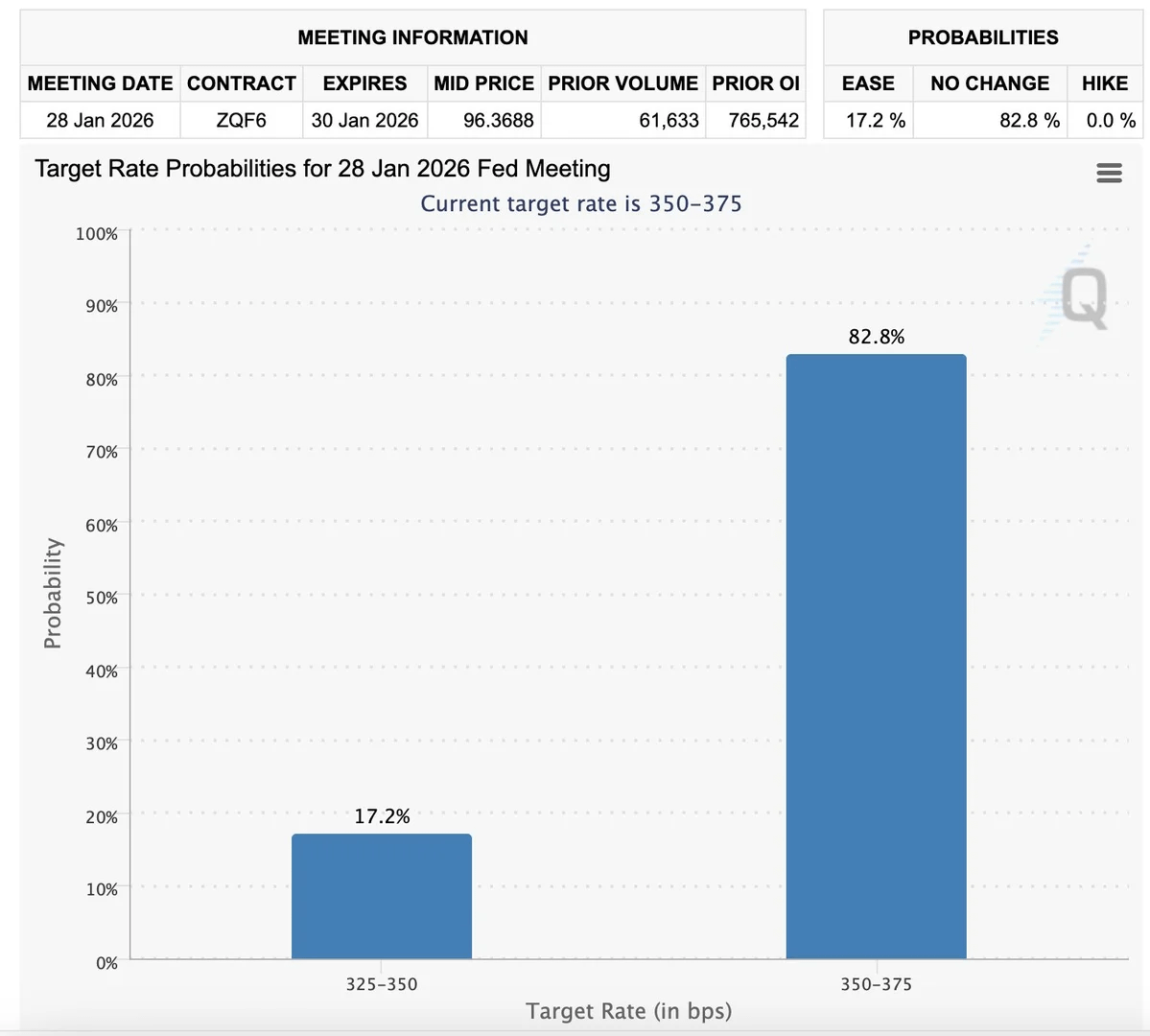
Another factor disadvantaging the USD is the forecast that the Fed will cut interest rates by about 50 basis points in 2026. In contrast, the Bank of Japan may raise interest rates by 25 basis points, while the ECB maintains a stable position. This causes the interest rate differential between the US and major economies to narrow, making the USD less attractive in medium-term holding strategies.
At the same time, geopolitical tensions and global instability are driving capital flows towards other safe-haven assets. Gold prices exceed 5,000 USD per ounce, silver above 100 USD per ounce, indicating strong demand for safe-haven assets. The USD is gradually losing its default choice position as investors prioritize gold, metals, and some other strong currencies.
DXY index movements: Pressure still prevails.
On January 27, 2026, the Dollar Index fell to around 96.6 points, down 0.44% in the session and hitting a four-month low. Compared to the peak of 98.8 points in mid-January, the DXY has continuously adjusted, reflecting prolonged selling pressure. Over one month, the index decreased by 1.47% and more than 10% over the past 12 months. Some forecasts suggest that the DXY may retreat to the 95 range if the Fed continues to ease, although upcoming US employment data could create a short-term technical rebound.
In the long term, the USD's role in global reserves continues to shrink. As of Q3 2025, the USD's share has decreased to 56.9%, the lowest since 1994. Central banks are diversifying into euros, gold, and CNY. Nevertheless, the USD still accounts for the majority of international transactions, indicating that its core position has not been replaced but is increasingly sensitive to policy shocks.
Where is the money flowing?
In the context of a weakening USD, global capital flows are showing a distinct reallocation. Precious metals and industrial metals have become preferred destinations, while the Japanese Yen and Euro have recorded significant gains against the USD.
In the financial market, US stocks continue to attract capital flows thanks to growth expectations, especially in AI infrastructure, data centers, defense, and biotechnology. At the same time, emerging markets have seen a strong return of capital, particularly since December 2025.
Overall, the weakening of the USD in early 2026 is a cumulative result of monetary policy, political instability, and structural shifts in global capital flows. Although the US economy continues to grow better than many other regions, the dominant role of the USD is being challenged in the short and medium term, making this currency more sensitive to macroeconomic shocks.
#FedWatch #yen