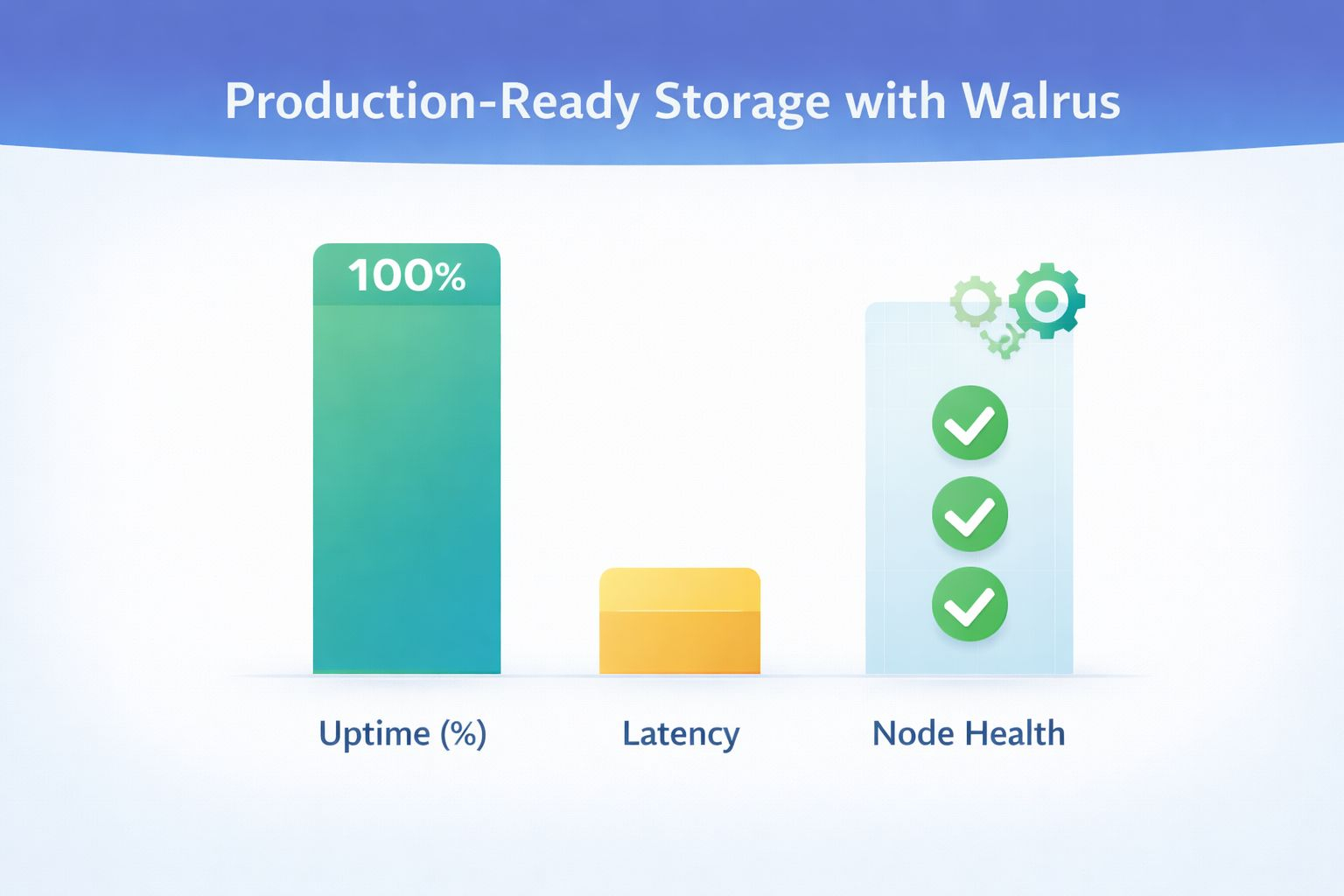
Walrus continuously monitors the nodes of its decentralized network and predicts traffic spikes in advance, ensuring that performance is never impacted. By proactively redistributing data and balancing the storage load, the network ensures that latency remains low and availability remains high.
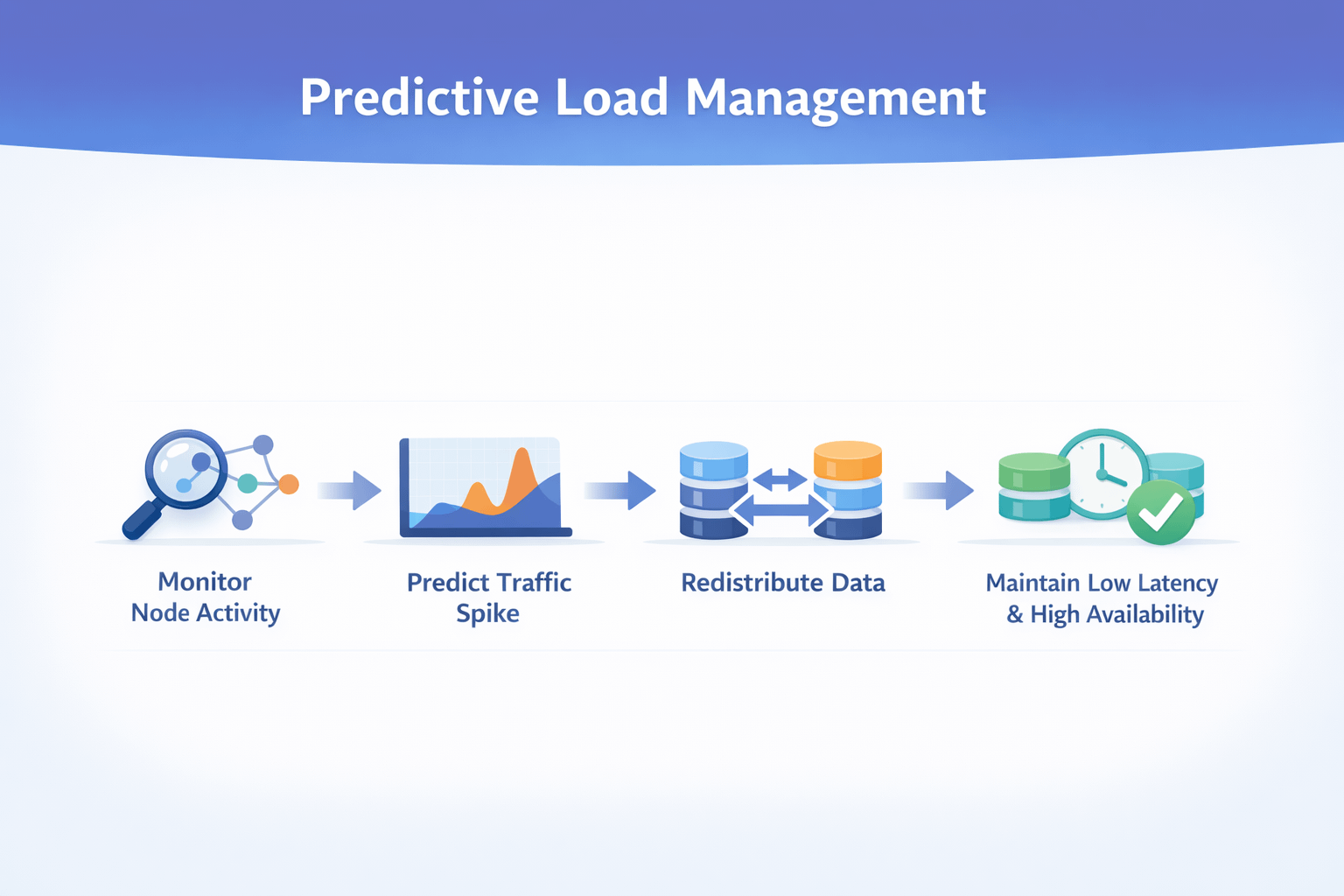
For production applications, this means that there is no need for manual overprovisioning or emergency scripts. Developers can confidently deploy workloads, knowing that Walrus will maintain consistent and predictable performance under all conditions.
Just think, a high-traffic decentralized application suddenly receiving thousands of requests per second. Walrus anticipates the load, automatically reallocates replicas, and prevents bottlenecks to ensure uninterrupted access and reliable data integrity.
The predictive architecture reduces operational risk, improves uptime, and allows teams to build their core features instead of continuously solving infrastructure problems.
Conclusion:
With Walrus predictive load management, storage automatically adjusts and remains resilient, ensuring decentralized applications achieve reliable and production-ready performance in every situation.