


Plasma is moving through a phase that is rarely discussed openly in crypto spaces, especially on fast-paced platforms like Binance Square. Instead of chasing attention through constant announcements, the project is quietly refining how a blockchain behaves when it is treated as infrastructure rather than an experiment. Recent developments show Plasma focusing on stability, settlement reliability, and real economic flow, which signals a long-term vision centered on usage rather than speculation. This shift matters because most blockchains fail not due to lack of innovation, but because they are not designed to operate continuously under real-world pressure.
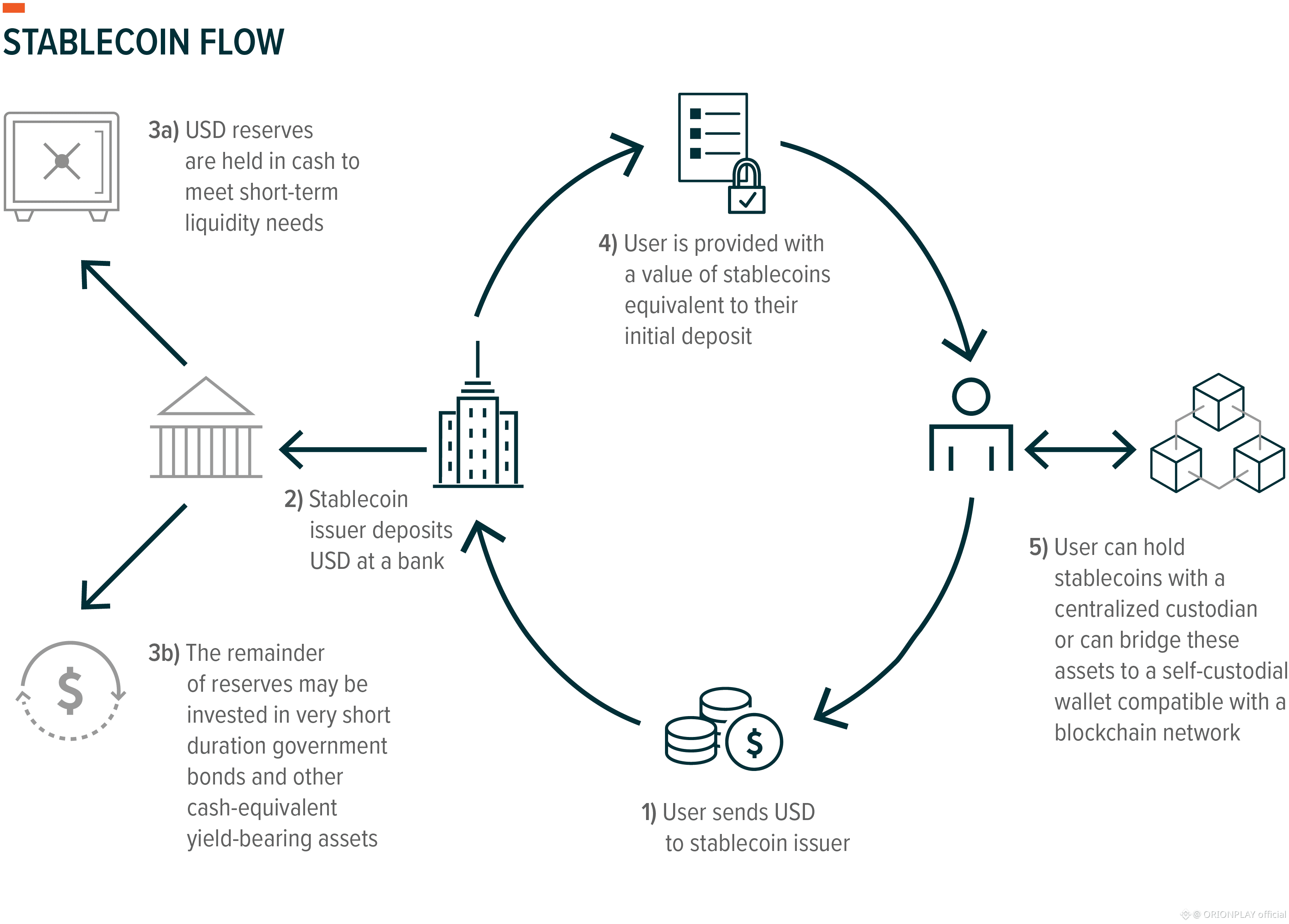
One of the most important recent updates around Plasma is the growing emphasis on stablecoin-native transaction behavior. Rather than positioning stablecoins as just another asset class, Plasma treats them as the primary unit of movement on the network. This design choice affects everything from block timing to validator incentives. Stablecoin flows demand consistency, predictable confirmation times, and low operational variance. Plasma’s recent network tuning reflects this requirement, making the chain increasingly suitable for repetitive, high-volume transfers instead of sporadic bursts of speculative trading.
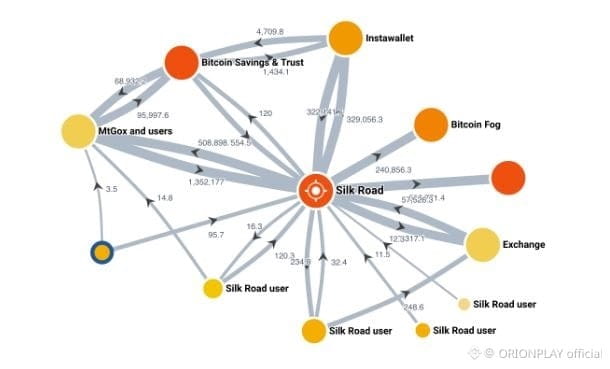
Validator operations on Plasma have also entered a more mature stage. Instead of focusing only on decentralization metrics, recent efforts show attention toward validator uptime, geographic distribution, and operational redundancy. These are not glamorous topics, but they define whether a network can function during traffic spikes or infrastructure stress. Plasma validators are increasingly treated as service operators rather than passive participants, which improves reliability for applications built on top of the chain.
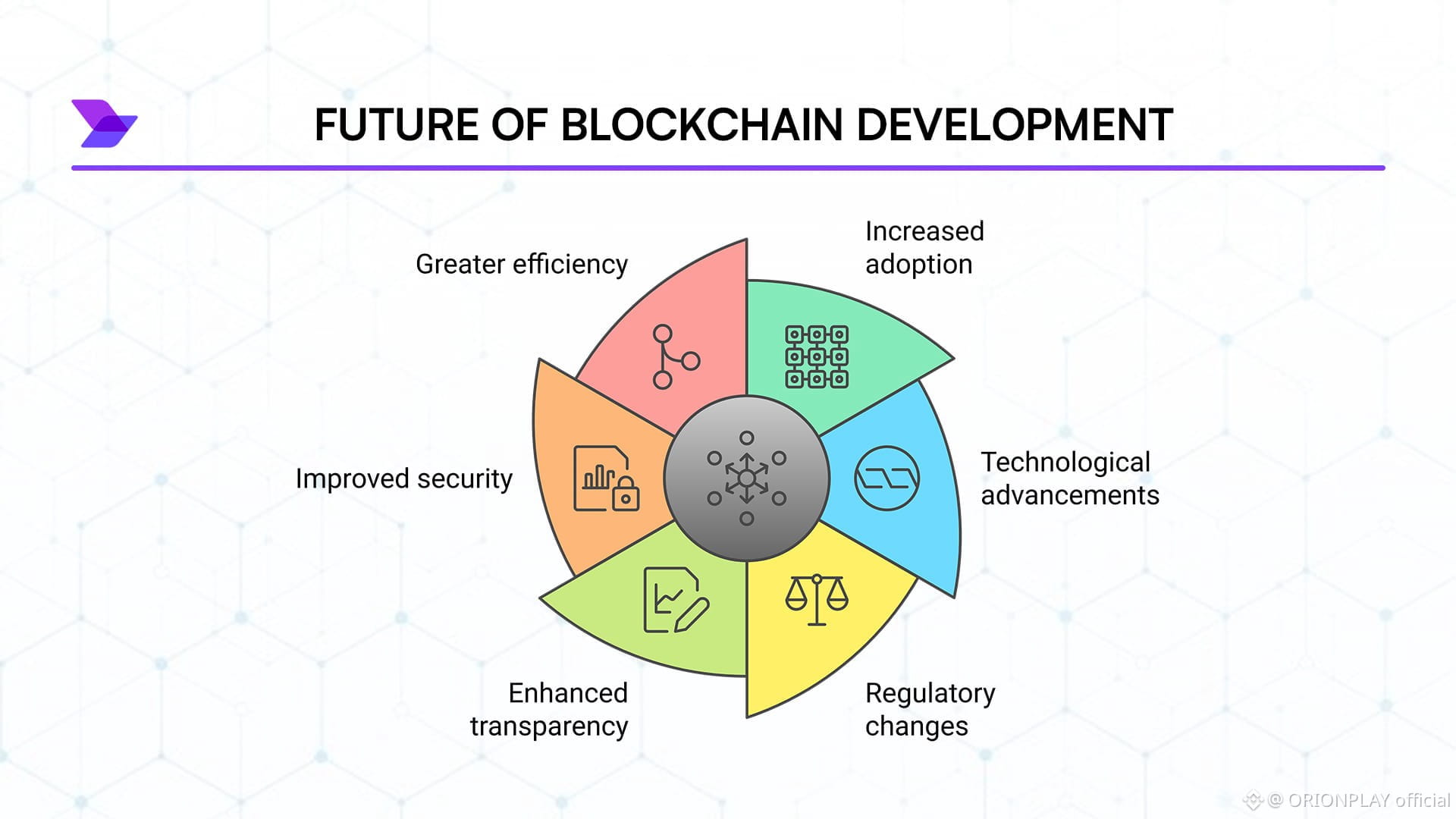
Another important development is how Plasma approaches upgrades. Many blockchains introduce changes rapidly, often forcing users, validators, and developers to adapt quickly. Plasma is taking a slower route. Recent updates suggest a staged upgrade philosophy, where changes are observed, measured, and only then expanded. This reduces the risk of network fragmentation and unexpected behavior, which is essential for chains that aim to support financial flows rather than experimental contracts.
Plasma’s economic structure around $XPL is also evolving in a way that aligns with infrastructure goals. Instead of positioning the token purely around market activity, its role is increasingly tied to network participation, security alignment, and long-term sustainability. As staking and validator participation expand, $XPL becomes more closely linked to the health of the network itself. This creates an environment where value is connected to reliability and performance, not just short-term attention cycles.
Beyond the Plasma network alone, broader market movements are influencing how infrastructure projects are perceived. There is growing awareness that not all blockchains need to do everything. Specialized networks are emerging, each optimized for a specific role. Plasma’s focus on settlement and transaction efficiency fits into this trend, where execution, storage, and data availability are increasingly handled by different layers rather than a single overloaded system.
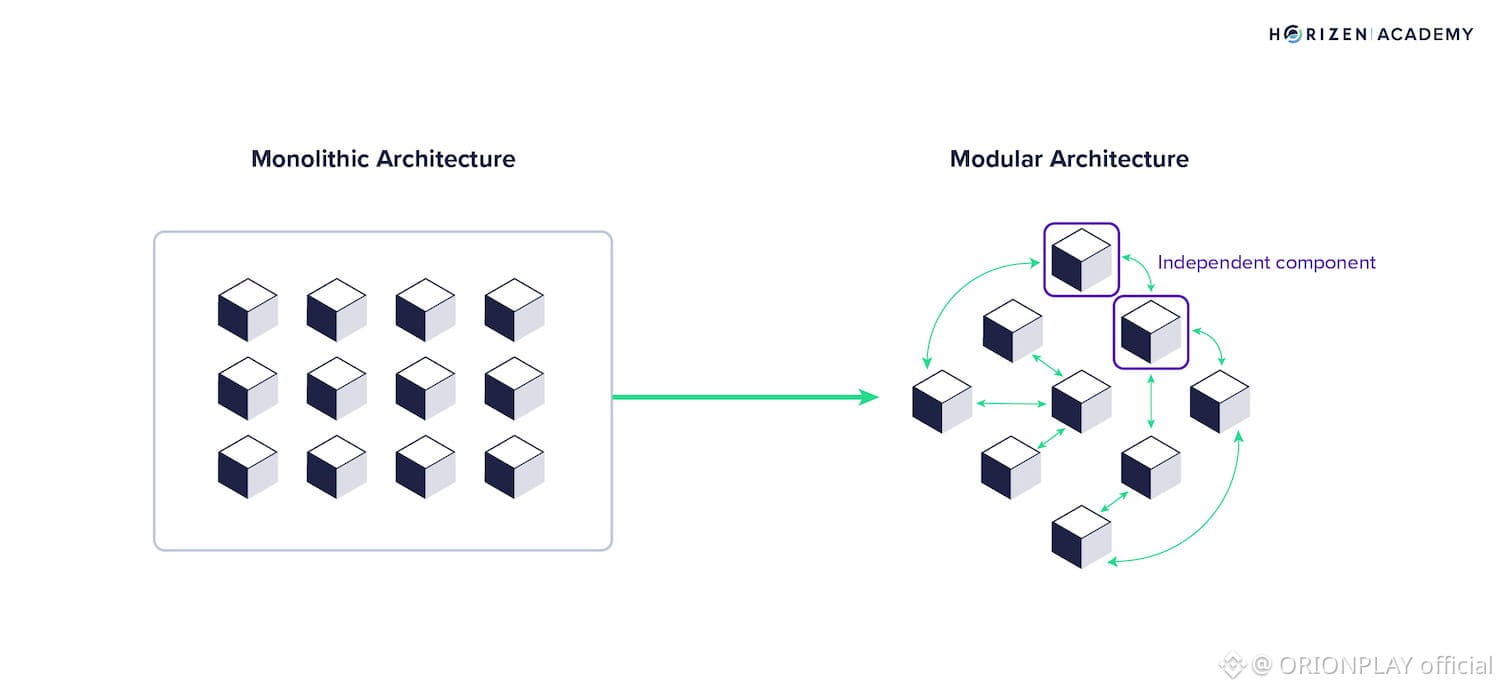
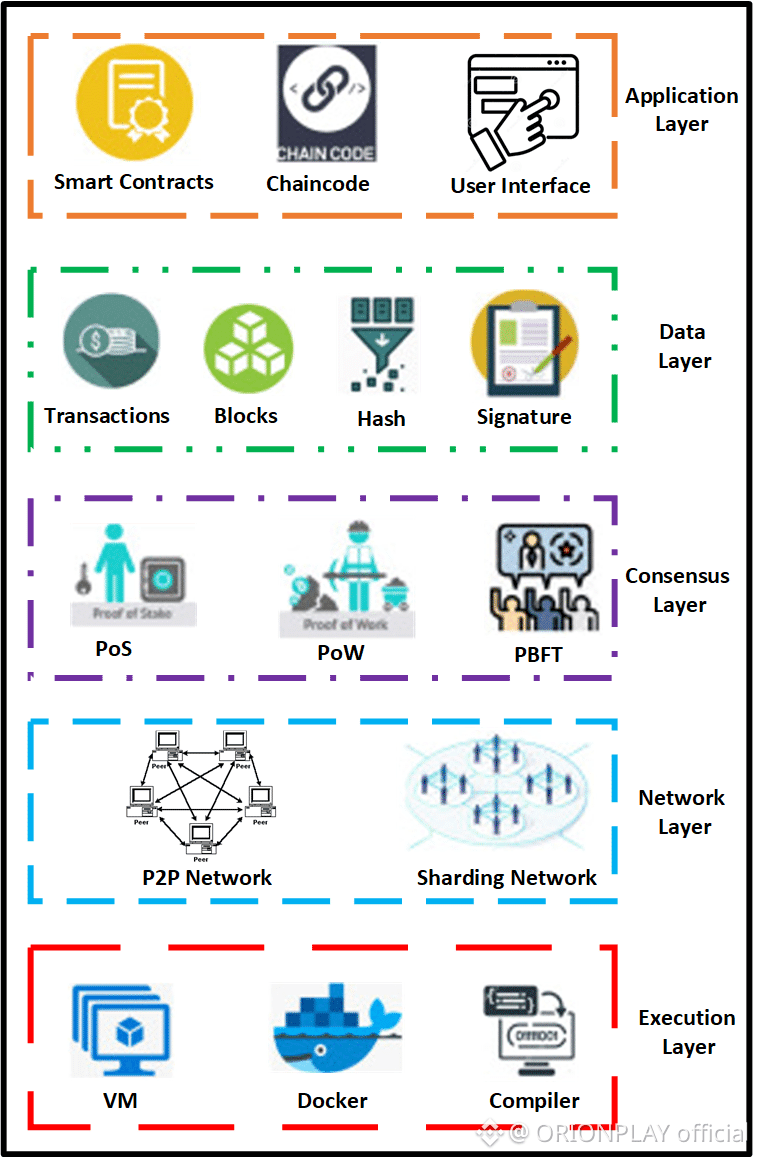
Recent activity across the crypto space also shows rising interest in data-focused protocols and scalable storage systems, highlighting a parallel evolution happening alongside Plasma. While those systems concentrate on managing large datasets and availability, Plasma remains focused on moving value efficiently. This separation of concerns reflects a more mature ecosystem where networks complement rather than compete with each other.
What makes Plasma particularly relevant right now is how well its design fits the direction crypto adoption is taking. As stablecoins become a preferred medium for payments, remittances, and internal settlement, the need for blockchains that can handle repetitive, low-cost transfers grows rapidly. Plasma’s recent adjustments indicate preparation for this future, where reliability and predictability matter more than raw throughput claims.
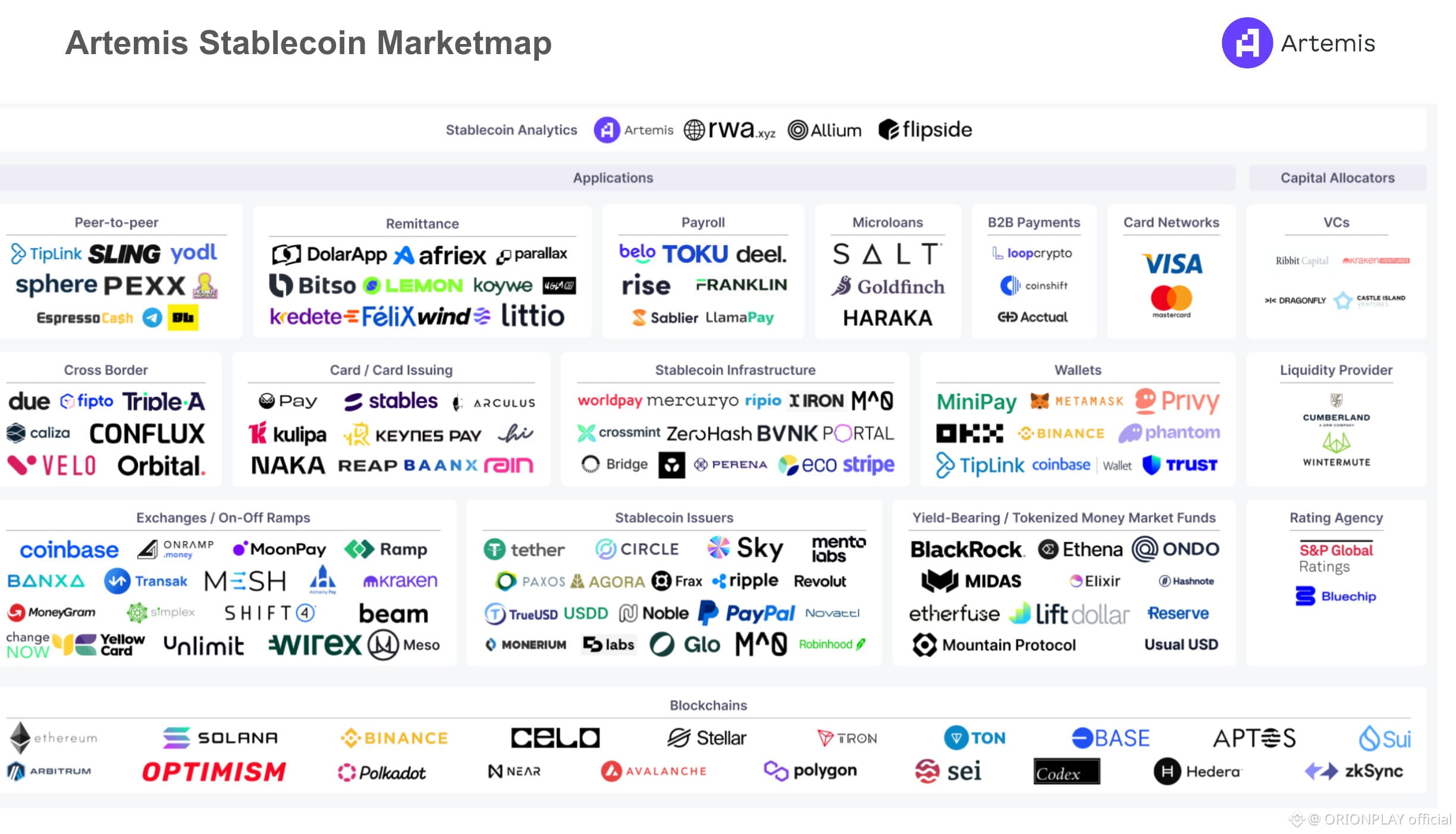
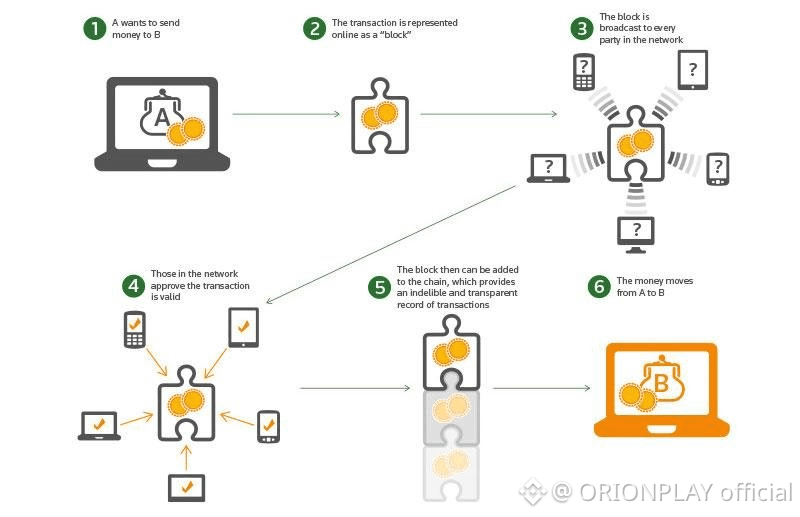
Market discussions around Plasma are also slowly changing. Instead of focusing solely on price movements, more attention is being given to network behavior, validator participation, and real transaction flow. This type of discussion usually appears when a project transitions from concept to operation. It suggests that Plasma is being evaluated less as a speculative asset and more as a functional system.
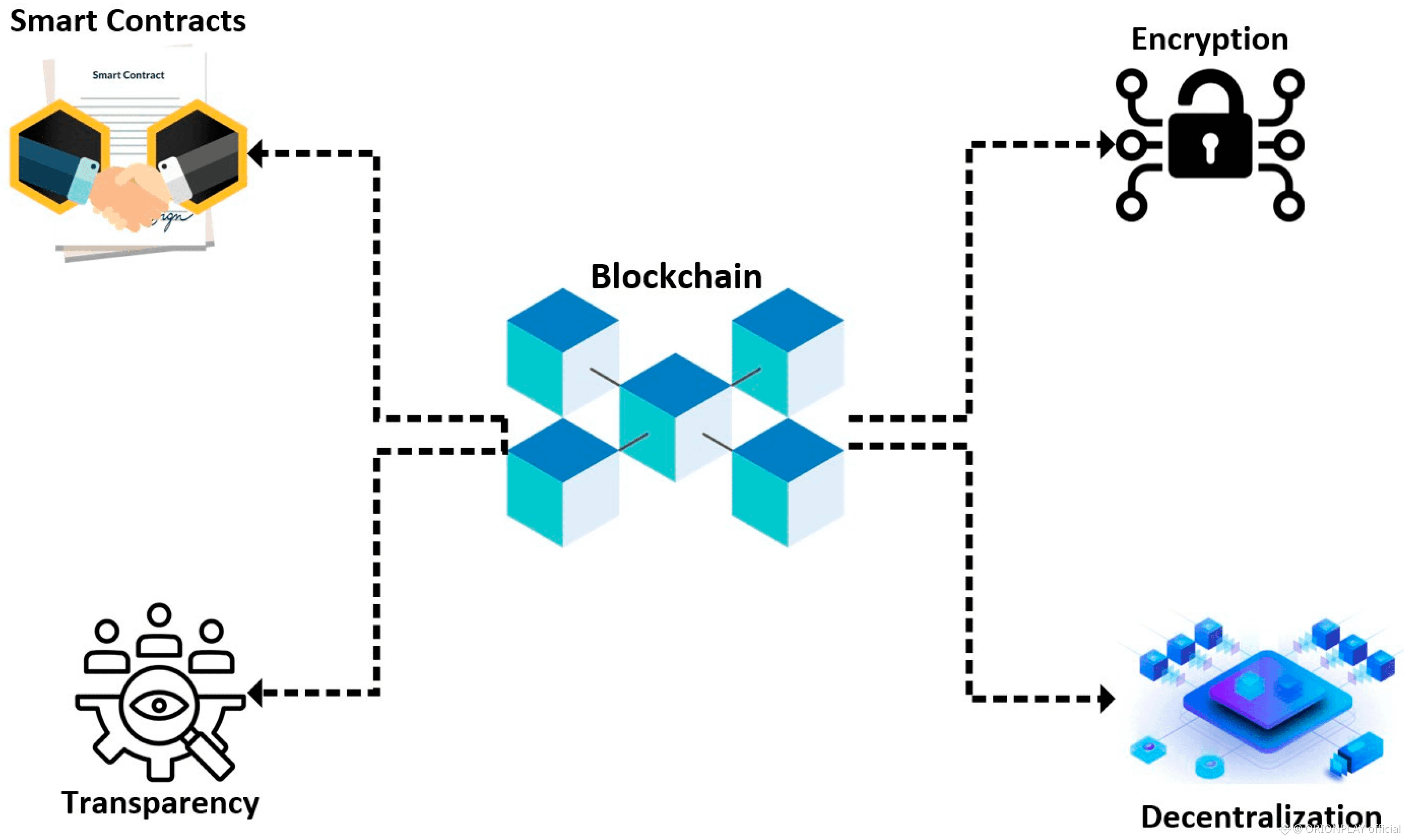
Another subtle but important update is Plasma’s increasing compatibility with regulatory-aware environments. Rather than embedding restrictions at the protocol level, Plasma maintains neutral settlement logic while allowing compliance to exist at the application and service layer. This makes the network adaptable without sacrificing decentralization, an approach that aligns well with how financial infrastructure typically evolves.
In practical terms, Plasma is becoming the kind of blockchain that users may not actively notice. Transfers simply work, confirmations remain consistent, and costs stay predictable. This invisibility is often misunderstood as a lack of progress, but in infrastructure design, it usually signals success. Systems that function smoothly tend to fade into the background while supporting increasingly large volumes of activity.
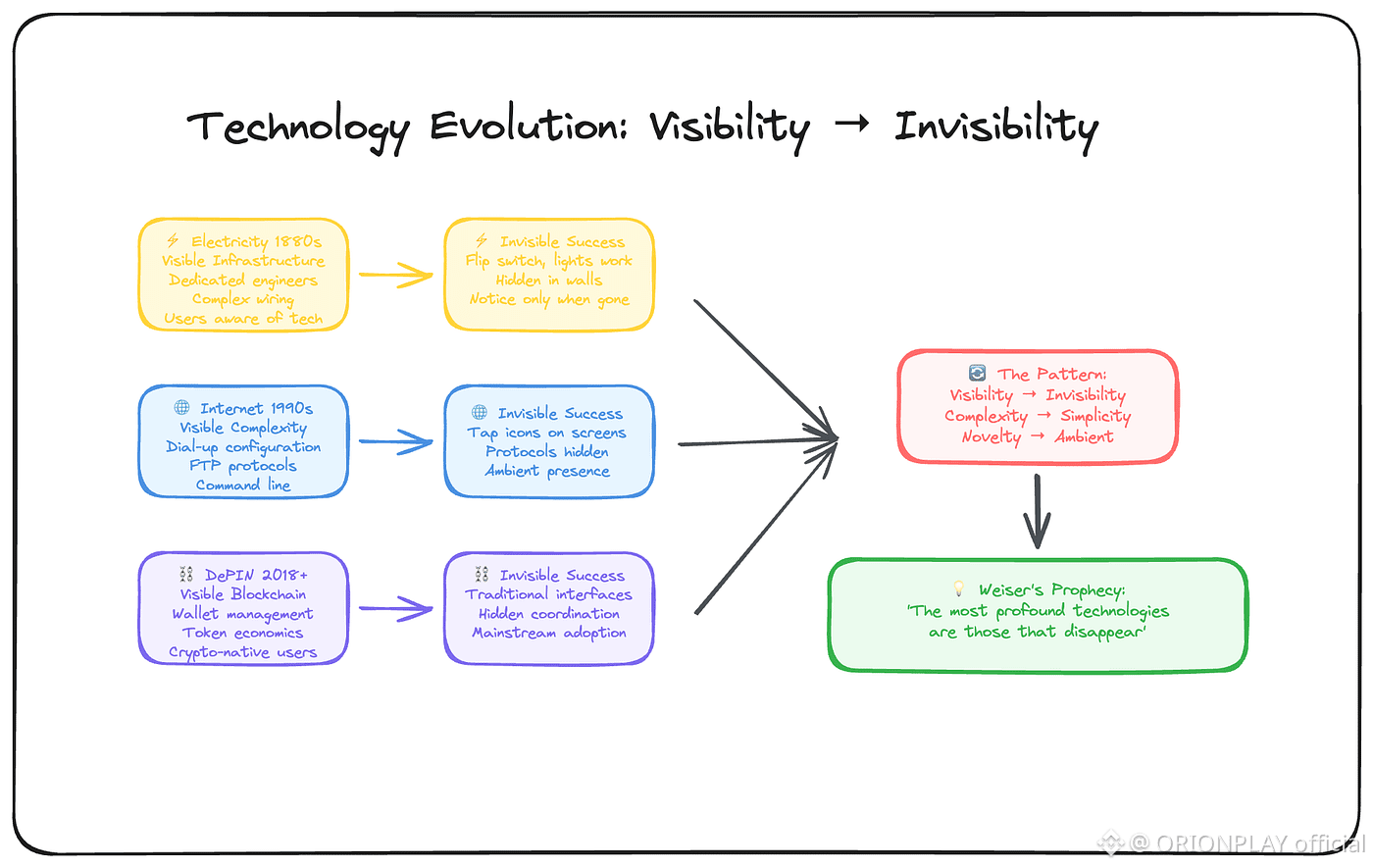
As development continues, Plasma’s trajectory suggests a focus on longevity rather than dominance. The project does not appear to be competing for daily attention but is instead positioning itself as a dependable layer that other systems can rely on. In a market where narratives change quickly, this kind of consistency can become a significant advantage.
In summary, the latest phase of Plasma is defined by refinement rather than reinvention. Improvements in validator operations, settlement behavior, token economics, and network stability are shaping Plasma into a blockchain designed for continuous use. These updates may not generate instant excitement, but they build the foundation for sustained relevance in a maturing crypto ecosystem.