
The financial market at the beginning of 2026 is considered an extreme case of ice and fire in the eyes of the cryptocurrency world: on one side, traditional safe-haven asset gold has started an epic surge, with London gold reaching a historic high of $5500/ounce, and domestic gold prices simultaneously breaking records.
On the other side, the cryptocurrency market is freezing cold, with BTC/ETH leading mainstream coins collectively plunging, ETF funds continuously fleeing, and a wave of liquidations sweeping across the network. The once-coveted 'digital gold' BTC has completely exposed its high-risk speculative nature in the face of true safe-haven assets.
In the midst of rises and falls, capital is voting with its feet, fleeing the high-risk cryptocurrency market and pouring into the safety of gold.
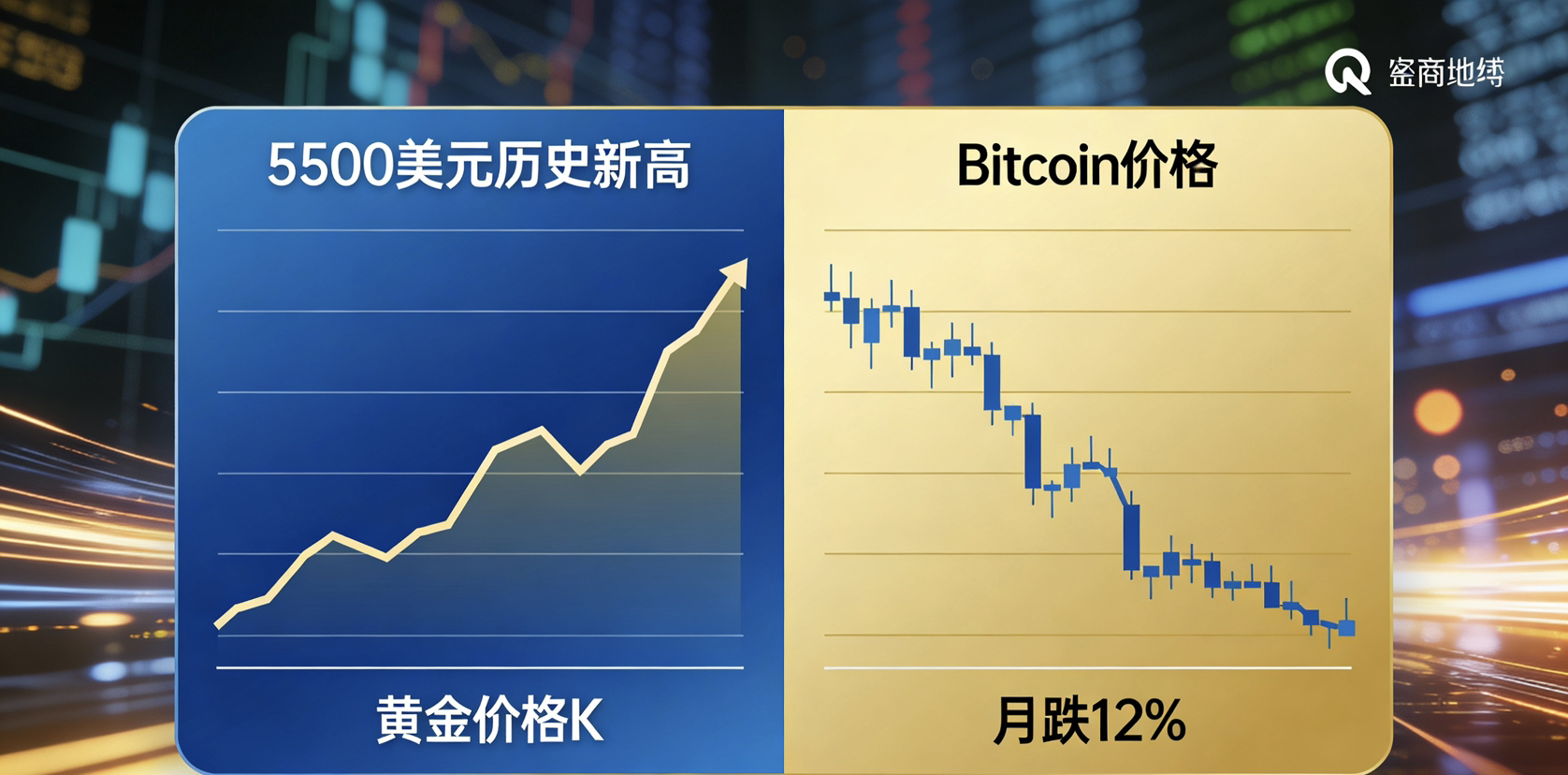
Gold is soaring: Breaking through the $5500 mark, with year-to-date gains maximized.
Gold's opening market performance can be described as "on a roll," with global markets moving upward simultaneously. Core data is thriving, and institutions are collectively bullish, repeatedly raising their target prices.
• International gold price: As of January 29, London gold is quoted at $5524.32 per ounce, increasing 0.24% intraday, with a peak of $5564.13 per ounce, setting a historical high with an increase of over 13% in less than a month; New York gold futures quoted at $5545.9 per ounce, with a single-day increase of 3.85%, up over $200.
• Domestic gold price: Shanghai gold futures quoted at 1249.12 yuan per gram, with a year-to-date increase of 7.88%, up 91.24 yuan from the beginning of the year; physical gold has surged, with Lao Feng Xiang's gold price hitting 1713 yuan per gram, and the China Construction Bank's investment gold bar quoted at 1255.60 yuan per gram, setting a new record for domestic physical gold prices.
• Institutions are bullish: Goldman Sachs raised its gold price target for December 2026 from $4900 to $5400 per ounce, while Jefferies set a long-term target of $6600 per ounce; Standard Chartered directly stated, "The structural bull market in gold is solid, and any pullback is a buying opportunity."
Behind gold's bull market is a resonance of multiple positive factors: The Federal Reserve maintains an interest rate range of 3.5%-3.75%, with expectations of rate cuts continuing to rise, significantly lowering the opportunity cost of holding gold; global central banks have started a gold-buying spree, with global central banks purchasing 1200 tons of gold in January 2026. The People's Bank of China has increased its holdings for 14 consecutive months, adding 15 tons in January alone, and 95% of central banks plan to continue accumulating gold; coupled with global geopolitical turmoil and the erosion of dollar credibility, gold's ultimate safe-haven properties are maximized, becoming the ballast for global funds.
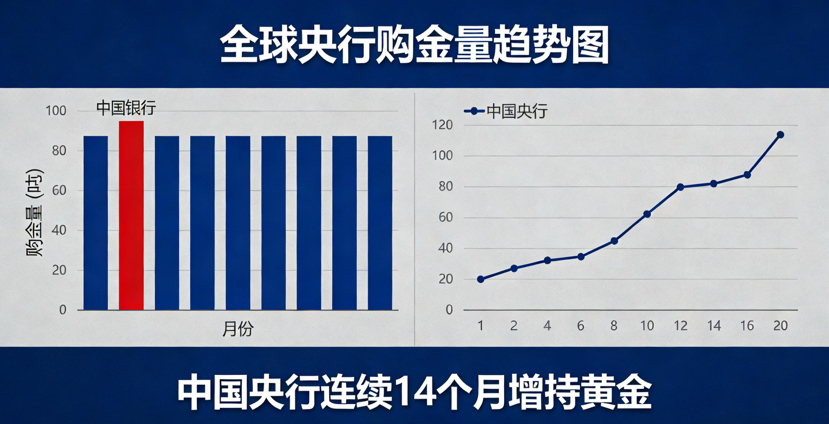
Cryptocurrency market suffers a heavy blow: BTC/ETH both plunge, with funds fleeing and liquidation waves occurring in succession.
In stark contrast to the heat of gold, the cryptocurrency market started the year with "opening black," with prices, funds, and emotions collapsing from BTC to ETH and various mainstream coins, with core data declining across the board. This continues the downtrend since BTC hit a historical high of $126,000 in October 2025.
Core currency prices have plummeted, with shocking declines.
• $BTC BTC: Latest quoted at $87900, down 30% from the historical high of $126,000 in October 2025, with a monthly drop of 12.3% in January and a decline of 6.46% in 7 days. The $90,000 mark has been tested multiple times and has repeatedly broken, becoming the norm for the year;
• ETH: Quoted at $2942, with a 7-day decline of 11.1%, once breaking below the critical support level of $2800, continuing to be under pressure from the $3000 mark at the beginning of the year, moving in tandem with BTC's weakness;
• Overall market: The total market value of cryptocurrencies has fallen below $3.1 trillion, with 90 out of the top 100 currencies by market value declining. XRP, which previously performed strongly, also weakened with the market, dropping 7% in 24 hours.
ETF funds continue to flee, with institutions leading the exit.
As a "barometer" for institutional funds in the cryptocurrency market, the fund flows of spot BTC/ETH ETFs directly reflect institutional attitudes. Since the beginning of the year, the trend of fund withdrawals has become increasingly evident:
• On January 8, a single day saw a net outflow of $486 million from BTC ETF and a net outflow of $98 million from ETH ETF, marking the largest single-day outflow since November last year;
• On January 22, BTC ETF again saw a net outflow of $483.4 million, and ETH ETF saw a net outflow of $230 million, ending a five-day net inflow trend;
• Since the beginning of the year, BTC ETF has seen a cumulative net outflow of over $1.5 billion, and ETH ETF has seen a cumulative net outflow of over $500 million. The continuous exit of institutional funds has become a significant driver of the cryptocurrency market's decline.
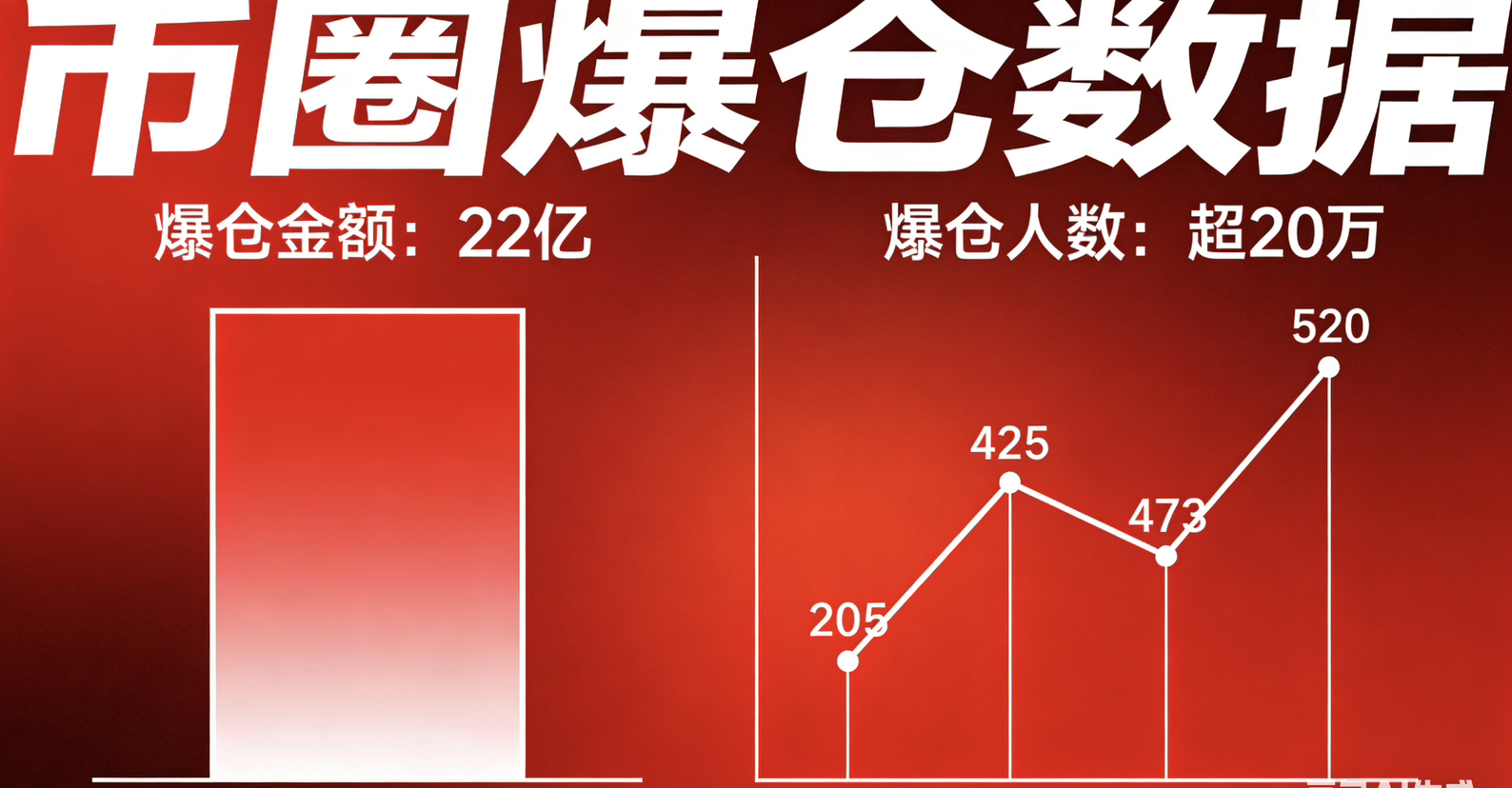
A wave of liquidations has occurred consecutively, with over 160,000 people losing everything.
The squeeze from leveraged funds has aggravated the downtrend in the cryptocurrency market. Since the beginning of the year, liquidation data across the network has continued to rise, with retail investors becoming the biggest victims:
• On January 1, a single day saw a total liquidation of $228 million across all cryptocurrency contracts, with 163,900 people liquidated, and the largest single BTC liquidation valued at $5.8577 million;
• On January 24, BTC briefly surged to $90,000 before plummeting, with 90,000 trading accounts forcibly liquidated within hours;
• As of January 29, cumulative liquidations in January 2026 exceeded $2.2 billion, with the number of liquidated accounts surpassing 200,000, and long positions accounted for over 70% of the liquidations, with retail investors suffering heavy losses.

Market sentiment has plummeted to freezing point, and the dynamics among whales have changed.
Panic sentiment in the cryptocurrency market has reached its peak, and the funding and chip structure have also undergone unfavorable changes:
• The cryptocurrency fear and greed index has fallen to 25, entering the "extreme fear" zone, the lowest since the beginning of 2026;
• Control of chips has shifted, with short-term whales holding more than 1000 BTC (holding less than 155 days) for the first time exceeding the old whales in realized market value. Capital that enters the market later has become the dominant force, while old whales are quietly reducing their holdings;
• Bitcoin's 30-day implied volatility (BVIV) has risen to 40%, significantly increasing market expectations for subsequent price fluctuations.
Up and down: Why has the safe-haven myth of "digital gold" completely shattered?
For a long time, BTC has been dubbed the "digital gold" by the cryptocurrency market, believed to possess safe-haven and anti-inflation properties. However, this year's opening market directly burst that bubble. While gold continues to rise, BTC keeps falling, with the core reason being that BTC has never truly held safe-haven properties; it is merely a high-risk speculative asset, while gold's safe-haven attributes have been repeatedly validated amid global uncertainties.
1. Funds abandon risk for stability, gold forms a strong siphon: Global geopolitical turmoil and sluggish economic recovery have peaked investors' demand for safe-haven assets, causing funds to flee the high-risk cryptocurrency market and flow into gold. The siphon effect in the gold market has deprived the crypto sector of incremental capital support;
2. The Federal Reserve's high interest rates suppress the valuations of risk assets: Although the market has expectations for rate cuts, the Federal Reserve currently maintains a high interest rate range of 3.5%-3.75%. Global liquidity is tightening, and cryptocurrencies, as typical non-yielding risk assets, continue to face suppressed valuations in a high-interest environment, lacking upward momentum;
3. Institutions are cautiously exiting, and retail investors are getting stuck after buying in: The ongoing outflow of funds from physical ETFs indicates that institutions have shifted their attitude toward the cryptocurrency market from optimistic to cautious. Retail investors, facing price declines after chasing highs, have seen leveraged liquidations trigger a chain reaction of sell-offs, further exacerbating the downtrend;
4. Regulatory and fundamental vacuum, lack of upward catalysts: The Trump policies, regulatory laws, and ETF capital influx that drove the cryptocurrency market up in 2025 have all disappeared in 2026, while regulatory uncertainties remain, leading the cryptocurrency market into a situation of "no positive support and all negative pressure."
What is the short-term outlook for the cryptocurrency market? Two core tips for ordinary traders.
For cryptocurrency traders, the current market downtrend has yet to show reversal signals, and short-term operations need to be extremely cautious. Two core judgments for reference:
1. The trend has not changed, do not blindly bottom-fish: The correction from BTC's high of $126,000 has reached 30%, and there is still no clear sign of a bottom. $85,000 has become a key support level. If it breaks below this, it may trigger a new round of declines. The $2800 support for ETH is also fragile. Under the influence of mainstream coins, the risk of bottom-fishing is extremely high;
2. Stay away from high leverage and control positions: Current market volatility has significantly increased, and leveraged trading is easily subject to double-directional stop-losses. The wave of liquidations since the beginning of the year has mostly been caused by high-leverage traders. Ordinary retail investors are advised to reduce their positions, or even take light positions to observe, waiting for market sentiment to recover and for additional funds to enter;
3. Focus on macro signals rather than internal cryptocurrency news: The current trend in the cryptocurrency market is entirely dominated by the macro market. Attention should be paid to the Federal Reserve's interest rate cut signals and changes in global geopolitical situations. If the safe-haven trend of gold continues, the outflow of funds from the cryptocurrency market will persist.