
Walrus begins with a simple but radical promise: data should belong to its users, not to platforms, not to gatekeepers, and not to silent intermediaries. From the first interaction, Walrus presents itself as more than a token or a protocol. It is an infrastructure built for a future where privacy is normal, ownership is unquestioned, and decentralized systems finally feel practical at scale.
At the center of this vision is WAL, the native token powering the Walrus ecosystem. WAL is not designed as a passive asset but as an active force that drives participation, governance, and long-term sustainability. Through it, users interact with applications, secure the network through staking, and take part in shaping how the protocol evolves. Value within Walrus is not extracted, it circulates, reinforcing a system where contribution and utility move together.
The Walrus protocol itself is engineered for discretion and resilience. Private transactions allow users to operate without exposing sensitive activity, while governance tools give the community a real voice in decision-making. This balance between privacy and participation defines Walrus’s character. It does not sacrifice transparency for secrecy, nor does it expose users for the sake of openness. Instead, it creates a controlled environment where trust is built through design rather than promises.
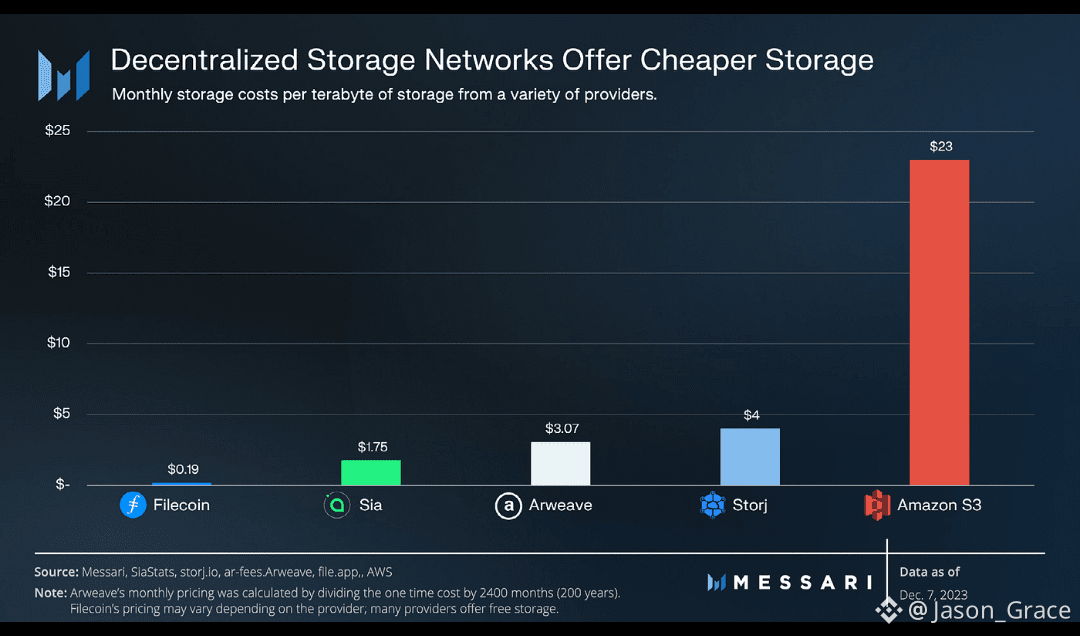
What truly elevates entity["organization","Walrus Protocol","decentralized storage and defi"] is its approach to decentralized storage. Walrus tackles one of Web3’s most persistent challenges: how to store large amounts of data securely, efficiently, and without censorship. By combining erasure coding with blob storage, the protocol distributes files across a decentralized network in a way that reduces cost while increasing resilience. No single point of failure exists, and no single authority controls access. Data becomes durable, flexible, and resistant to interference.
Operating on the entity["organization","Sui","layer 1 blockchain"] blockchain, Walrus benefits from a high-performance foundation built for scalability and speed. This integration allows the protocol to support demanding applications without compromising its privacy-first philosophy. The result is an infrastructure capable of serving developers building decentralized applications, enterprises seeking alternatives to traditional cloud services, and individuals who simply want control over their digital presence.
Walrus is not positioned as an abstract experiment. Its storage layer is designed to be cost-efficient and practical, making it suitable for real-world use cases where performance and reliability matter. Whether supporting decentralized applications, enterprise data needs, or personal files, Walrus offers a credible alternative to centralized cloud providers, without the hidden trade-offs that usually accompany them.
In a digital world increasingly defined by surveillance, restriction, and dependency, Walrus chooses a different path. It builds quietly, focusing on fundamentals rather than hype, infrastructure rather than spectacle. This is a protocol designed to last, to protect, and to empower.
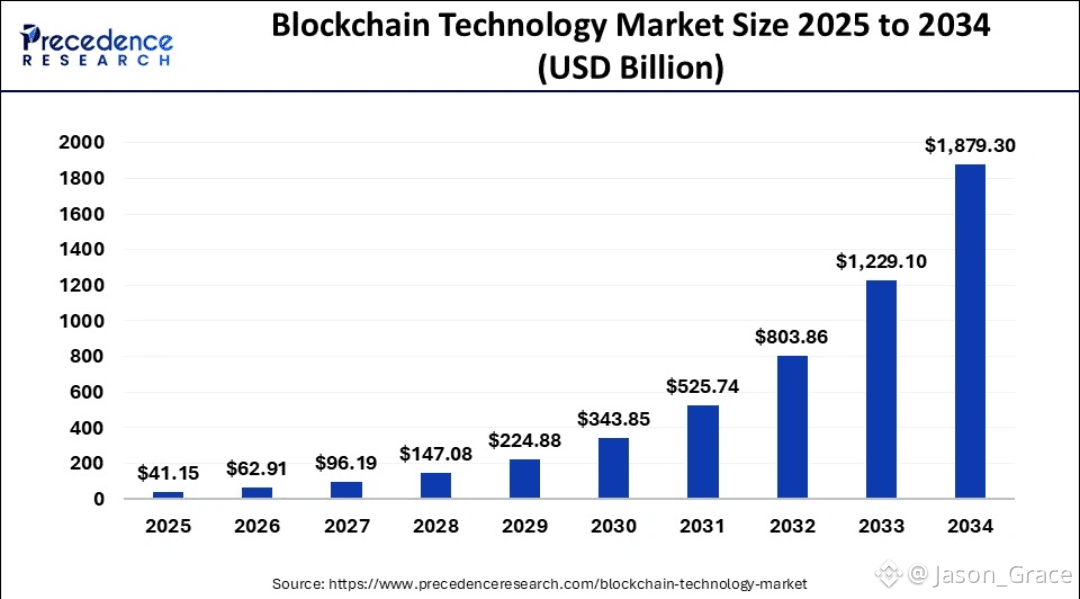
Walrus is not just about storing data or moving value. It is about restoring balance between technology and freedom. In doing so, it lays down a foundation where decentralization is not a slogan, but a lived reality.

