
#加密市场回调 The deep thoughts behind the surge in gold and silver: do we ordinary people still have a chance?
The surge in gold and silver is a mirror that reveals who is lying down to win and who is holding on. Some people watch their assets double with a smile, while others worry as their wallets shrink. I am one of those who worries. Last year, I bought a silver fund that has increased fourfold this year. Unfortunately, I ran away as soon as it doubled. What worries me is that I bought doge, fil, bnb, and doomsday vehicles, etc., which have all plummeted. The highest one I hold has already lost 70,000 yuan. Adding more losses from other investments, I won't list them all. My crypto wallet is continuously shrinking. 2026, please be kinder to me. I keep comforting myself that this is value investing, haha. I firmly believe that we ordinary people have opportunities in the crypto industry! Crypto has tormented me a thousand times, yet I treat crypto like my first love!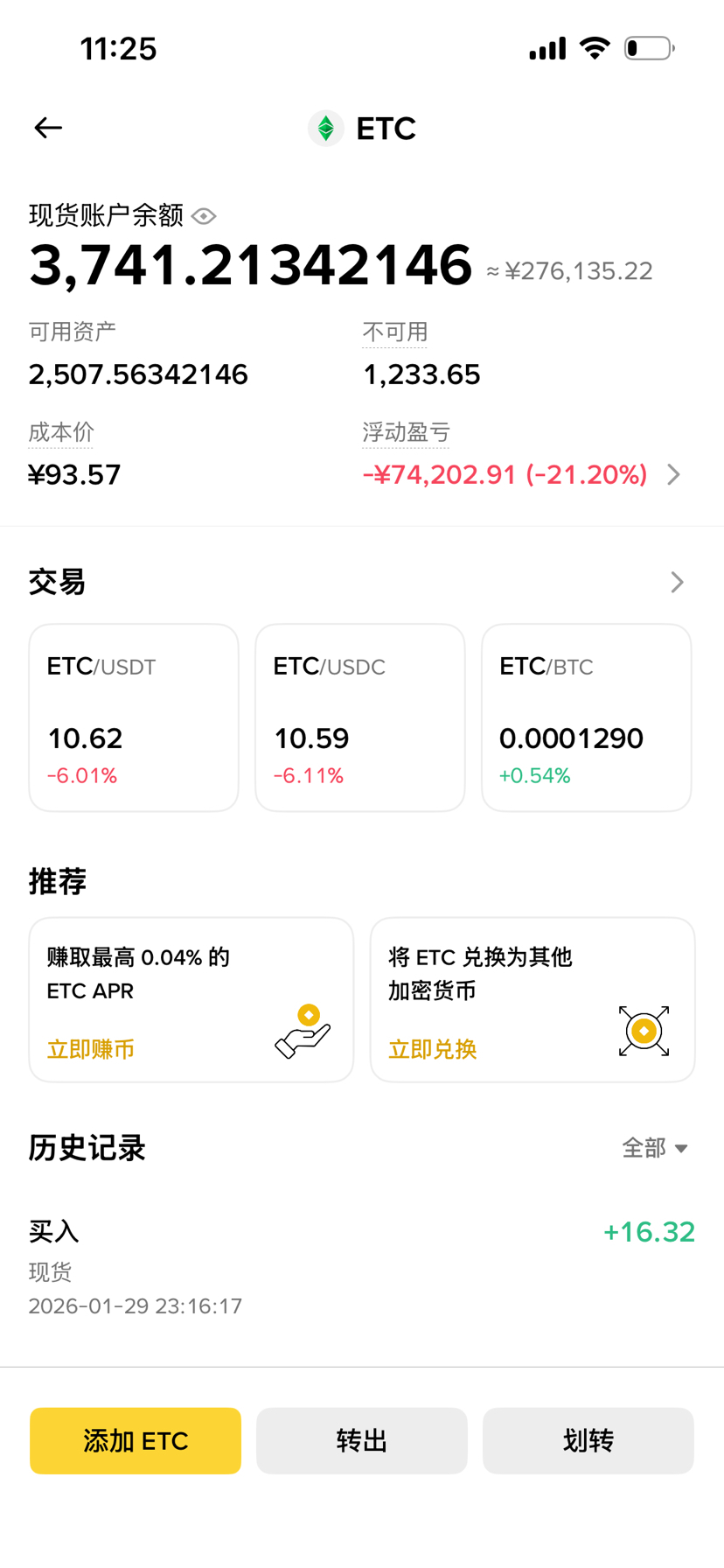
Oh dear, let's talk about gold and silver. From last year to this year, prices shot up like a rocket. In 2025, silver started at $30 and has now surged to $118 an ounce; gold also skyrocketed from over $2000 to over $5600. Seeing others make money while you lose feels worse, haha. This kind of increase, to put it bluntly, doesn't bring much benefit to ordinary people. Various costs have risen, and the money in everyone’s pockets hasn’t grown; life is getting tighter. More young people are facing higher marriage costs. Is this a blessing or a curse? For ordinary families, a wedding house costs between 1 to 2 million, and the bride price is 18.8 or 28.8. Adding up the wedding expenses, it’s around 100,000. Don’t say that you’ve made a lot from the surge in gold and silver. Most people say they haven’t enjoyed it; it’s still the same old story of the 80/20 rule: only a small portion can benefit. If we think carefully, this wave of surges is not just about a lively market; it also touches on social pain points—why is the wealth gap getting larger?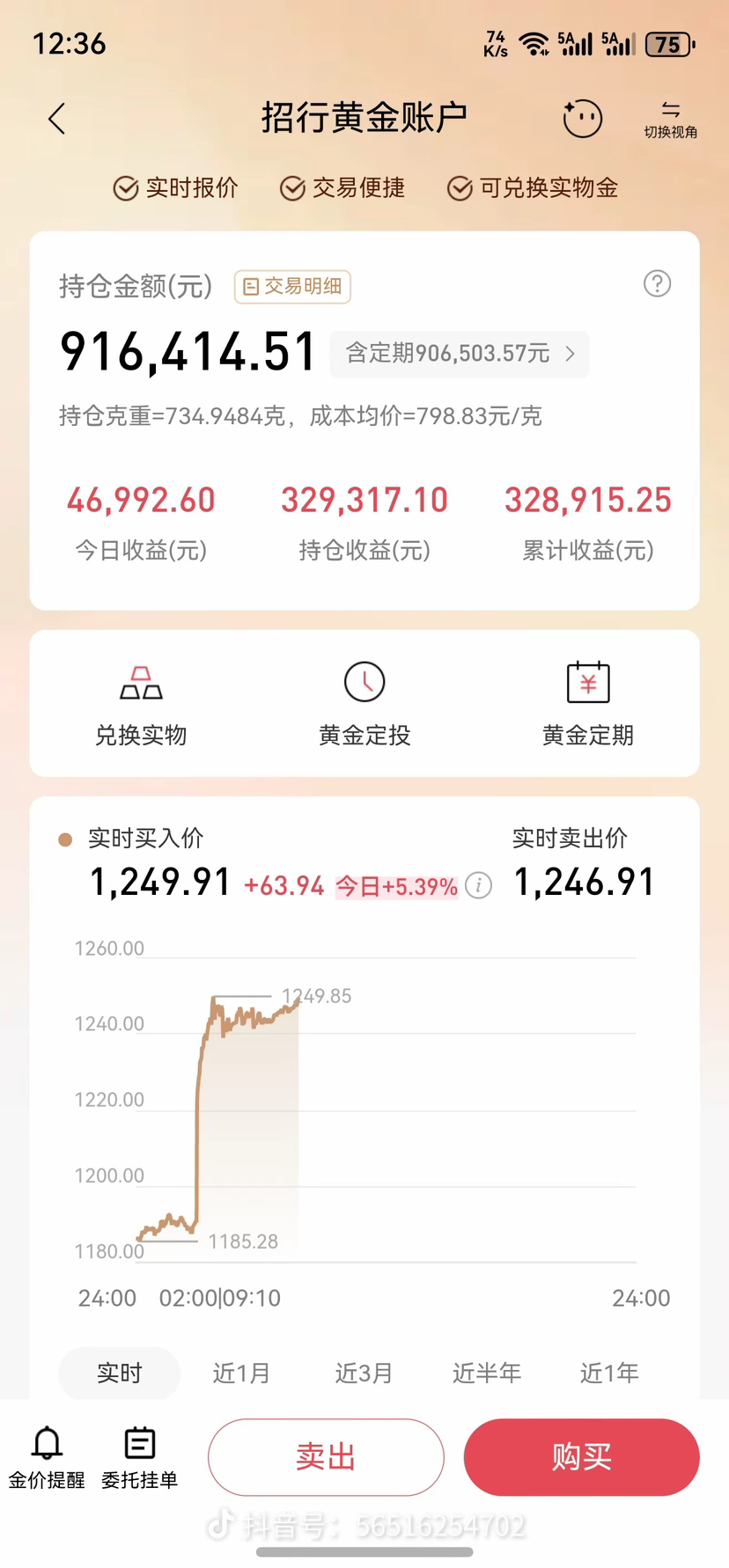
Don’t rush to jump to the gap; first, understand the root of the price increase. In simple terms, this wave of price increases is the result of multiple overlapping factors. The global economy is in chaos, geopolitical conflicts are escalating (like in the Middle East, Russia-Ukraine, etc.), and after Trump took office, the trade war heated up. Everyone fears that the U.S. dollar is unreliable and turns to gold and silver as 'hard currency.' Central banks are also crazily hoarding gold; in 2025, they bought tons of it, fearing inflation and debt crises. Industrial demand is even more astonishing; silver is used in photovoltaic solar energy and electric vehicle batteries, with demand rising by over 25%, while supply can’t keep up. The cost of mining is high, and extraction is challenging. As for gold, when the Federal Reserve cuts interest rates and loosens policies, money floods the market, and non-yielding assets become popular. What’s the result? Prices soar, the rich are beaming with joy, while the poor can only stare blankly.
This round is not just about the rise in metal prices; it's like a mirror reflecting the hidden tricks of how social wealth is distributed. After the explosive rise, ordinary people don't feel opportunities but rather the painful widening of the gap. Here are a few reasons analyzed for everyone.
Reason one: Asset inflation vs. stagnant wages; the rich win effortlessly while the poor struggle.
Inflation is the biggest trap for the poor. Money loses value, prices rise, but wages haven’t increased. Many industries are still stagnant. The explosive rise in gold and silver is essentially 'asset inflation'—the rich hoarded these things early on, now waiting for appreciation. For example, a billionaire who invested in a bit of gold ETF or physical gold bars has seen their wealth double in this wave of surges. But what about us hardworking individuals? Our monthly salaries are limited; rent, food prices, and utility bills are all rising. We can't afford assets and can only watch our wallets shrink. Even if you buy a few thousand or tens of thousands, it doesn’t help much; in fact, many people who bought it for a few tens of thousands panicked and sold when it barely rose by 30 points. Data shows that from 2025 to 2026, global billionaires' wealth grew by 20%, mostly from asset appreciation, while the wealth of the bottom 50% of the population hardly changed. During inflation, the rich hedge with assets, while the poor are hit by consumption—it's no wonder the gap is widening.
Reason two: High barriers to investment; the poor can't enter the market.
Gold and silver aren’t street snacks; you can’t just play with them whenever you want. Buying physical gold bars costs tens of thousands; as for gold tokens, many don’t even know how to buy them. High leverage carries great risk, and ordinary people dare not touch it. Many rich people are different; they have professional advisors, fund managers, and can invest in cryptocurrency gold tokens like PAXG, which have lower barriers and good liquidity. During the surge, they had already laid out their strategies and made a fortune. What about the poor? The little savings they have must be kept for emergencies. Investment? It’s just a thought. Coupled with unequal access to education and information, rich kids understand finance from a young age, while poor kids have never even touched a stock app. They are filled with fear from hearing relatives talk about losing money in stocks. Wealth accumulates like a snowball; the rich get richer while the poor remain stagnant.
Reason three: Policies and global game rules favor the wealthy.
To put it bluntly, only those who set the rules can enjoy the benefits, regardless of the broader environment. The Federal Reserve and central banks print money to rescue the economy; where does the money flow? Into the stock market and precious metals markets. The easing policy was meant to provide blood transfusions for the economy, but in reality, it helped the rich—they borrowed low-interest loans to buy gold and silver, leveraging their returns. What about the poor? They can only repay their home and car loans, with high-interest rates—what a painful realization. The global trend of 'de-dollarization' is rising; developing countries buy gold to hedge against risks, but the ones benefiting are still large institutions and elites. Technological change and the transition to green energy also exacerbate this: the photovoltaic industry has a booming demand for silver, but the profits go to large companies and investors; the workers at the bottom are just laborers. The wealth gap is a global issue; data from 2026 shows that the top 1% control 45% of the wealth, 10% more than a decade ago. Policies always talk about 'inclusive growth,' but the reality is the Matthew effect: the strong get stronger, and the weak get weaker.
Reason four: Unequal opportunities; there are more and more traps for the poor.
Digging deeper, social mobility has worsened. Basic things like education, healthcare, and housing are getting more expensive. Rich kids attend good schools, learn about investments, and take over the family business when they grow up; poor kids drop out and work, falling into a cycle of poverty. The surge in gold and silver prices exacerbates this issue: during economic uncertainty, the rich hoard assets to preserve value, while the poor face unemployment or low wages. The aftereffects of the pandemic persist; from 2020 to 2026, unemployment rates are high, and many find it difficult to switch careers. As they age, their energy diminishes compared to younger people, and with AI and technology replacing low-end jobs, it’s still the capitalists who benefit, while the unemployed will continue to increase. The explosive rise acts like a catalyst, bringing hidden disparities to the surface— not everyone has the ability to “hedge risks,” and the poor can only shoulder the risks.
Don't just sigh; think of ways to narrow the gap.
The explosive rise in gold and silver prices serves as a market signal reminding everyone that the economy is in trouble. But it also wakes us up: the wealth gap can still be addressed, even if it's late. The poor are always slow to realize; perhaps the gold and silver winds have passed, and they’ll forget the pain once they’re better off. As the year-end approaches and family gatherings become frequent, the topic of conversation will likely be gold and silver. You may notice a phenomenon: those making money from gold and silver usually have stable jobs and good family economic conditions. Last year, I returned home full of ambition, but this year the cryptocurrency industry has given me a wake-up call. This year, I can only return home quietly in the middle of the night, feeling defeated. Regardless of the situation, whether rich or poor, returning home for the New Year will always get better; we must believe in the cryptocurrency industry and endure the crypto winter together.