The market has been crashing in the past few days, and everyone is panicking and fleeing.
But I discovered an extremely unusual data point: funds did not withdraw from exchanges, but instead surged in like crazy.@Plasma
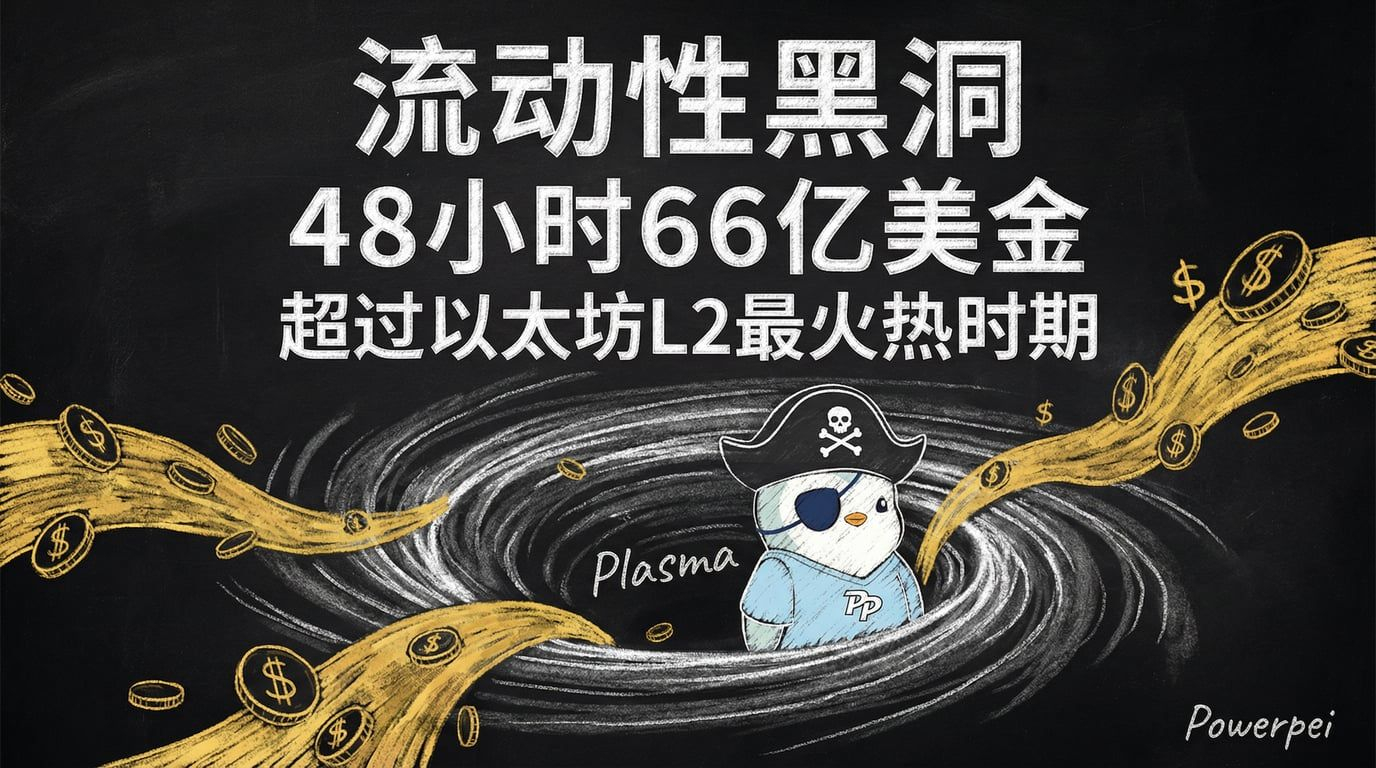
48 hours, 6.6 billion dollars
This speed even surpassed the peak times of Ethereum Layer 2.
Many people say this is thanks to Aave.
But I believe this is just the surface.
Aave is deployed on so many chains, why did it explode specifically on Plasma?
Because Plasma is the only container tailored for "stablecoins."
▰▰▰
Why do I say it is a "liquidity black hole"?
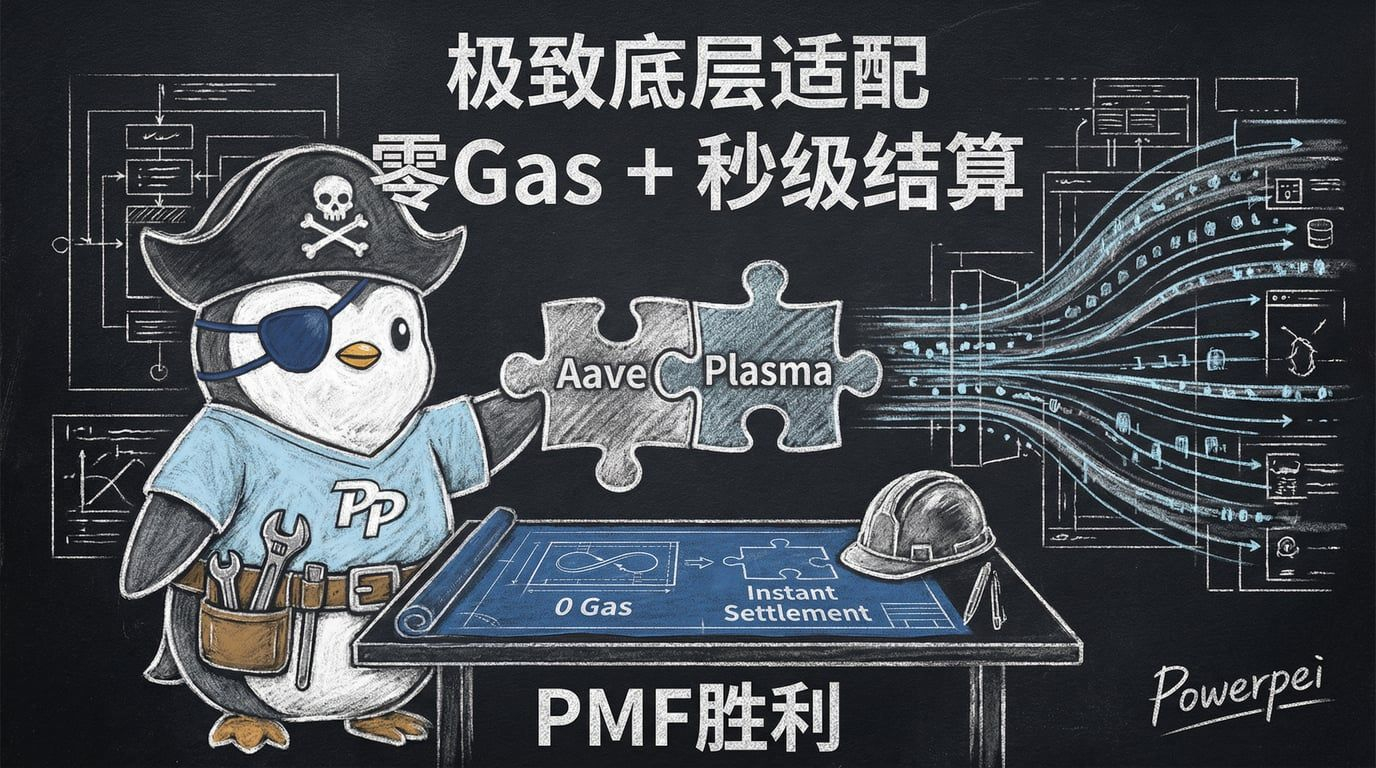
1. Extreme underlying adaptation
Top-level protocols like Aave are very picky about infrastructure.
Plasma's zero gas transfers and second-level settlements perfectly match the lending market's demand for 'high frequency, low wear.'
This is not luck; it's a victory of product-market fit (PMF).
Plasma has created the most suitable harbor for funds, which is why large ships (Aave) choose to dock here.
2. Trust's 'lossless translation'
Plasma did not go for those flashy dog protocols but directly integrated the most hardcore Aave V3.
This move is very steady.
It uses its high-performance architecture to amplify Aave's brand premium.
Users come in because they believe in Aave, and they stay because Plasma's experience is indeed smooth.
My calm reflection:
Of course, the current TVL structure (80% is in Aave) does feel a bit top-heavy.
But this is a happy trouble for a new chain.
No public chain can beg for this 6.6 billion in startup funds.
Plasma now holds this huge amount of capital, and as long as it can solidify the funds through subsequent payment scenarios (Fluid/Rain), it has the capital to challenge Ethereum's DeFi status.
This is a textbook-level cold start.
It proves that in the competition of infrastructure, vertical (focusing on stablecoins) is more effective than being versatile.