

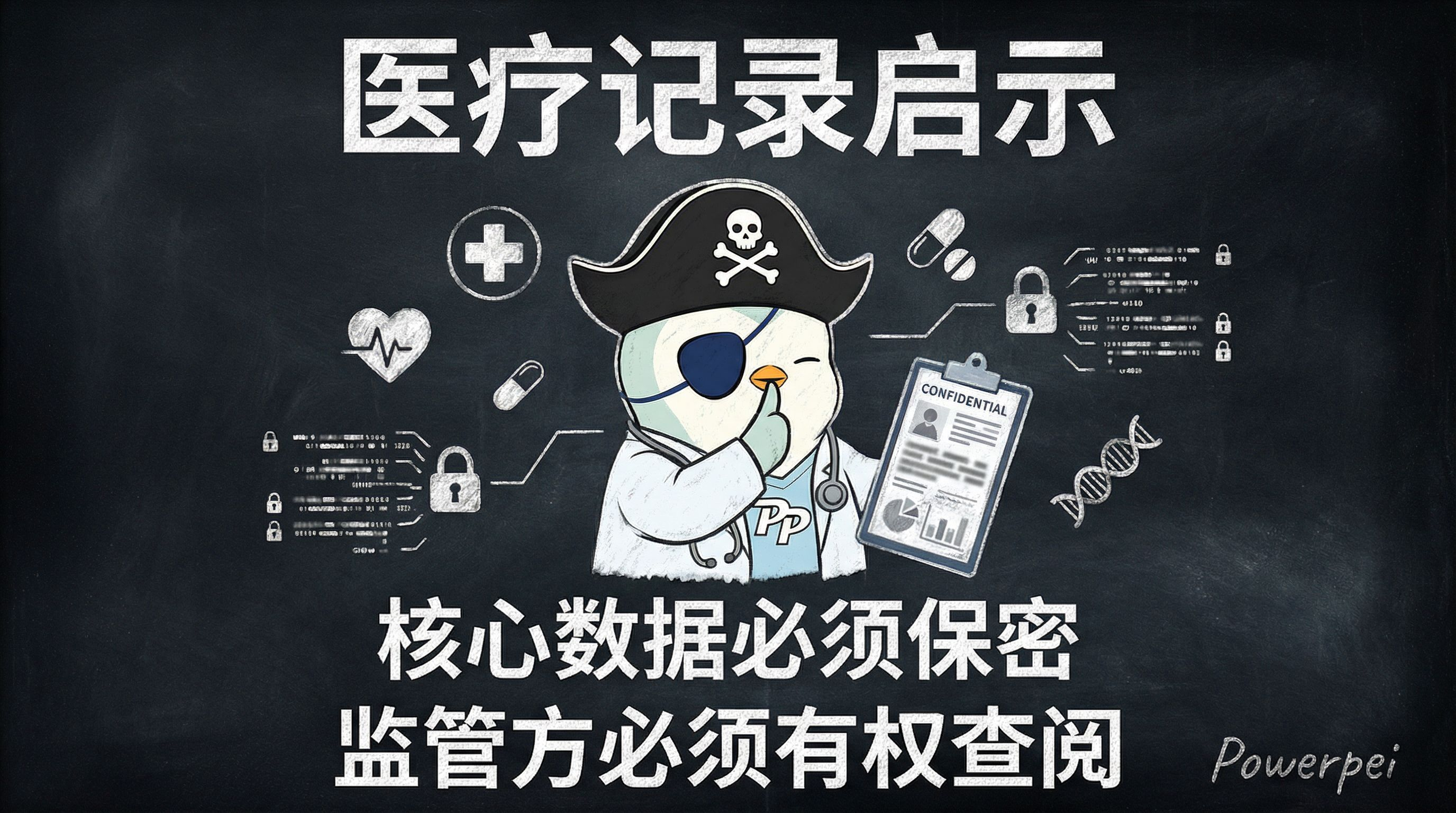
This morning I went to the hospital for a check-up. The doctor looked at my report for a long time, frowning.
My first reaction at that time was nervousness, and my second reaction was relief:
Fortunately, only doctors can see this thing; if it were posted at the hospital entrance, I would never be able to live my life.
In that moment, I suddenly realized that this is actually the underlying logic of the financial world:
Core data (medical records/positions) must be kept confidential, but the regulatory party (doctor) must have the right to access it.
With this perspective, looking at the current blockchain is simply a huge absurd theater.
We boasted about 'openness and transparency' to Eth, thinking it was revolutionary.
But for those institutions managing hundreds of billions of dollars, this is like asking them to post their underlying data on the internet—this is not a revolution, it's suicide.
As long as your address is marked, every time you adjust your position or set a stop-loss, you will be crazily targeted by the quant bots (MEV) across the entire network.
In this 'fully exposed' environment, RWA is always just a false proposition.
This makes me have to reassess recent actions.
To be honest, I previously thought this was just a slow-moving old project.
But after watching its integration with 21X (Europe's first compliant exchange) and NPEX, I found it was doing something extremely inhumane:
It attempts to carve a path between absolute privacy and absolute compliance through ZK technology.
▰▰▰
What pain points has Dusk actually solved?
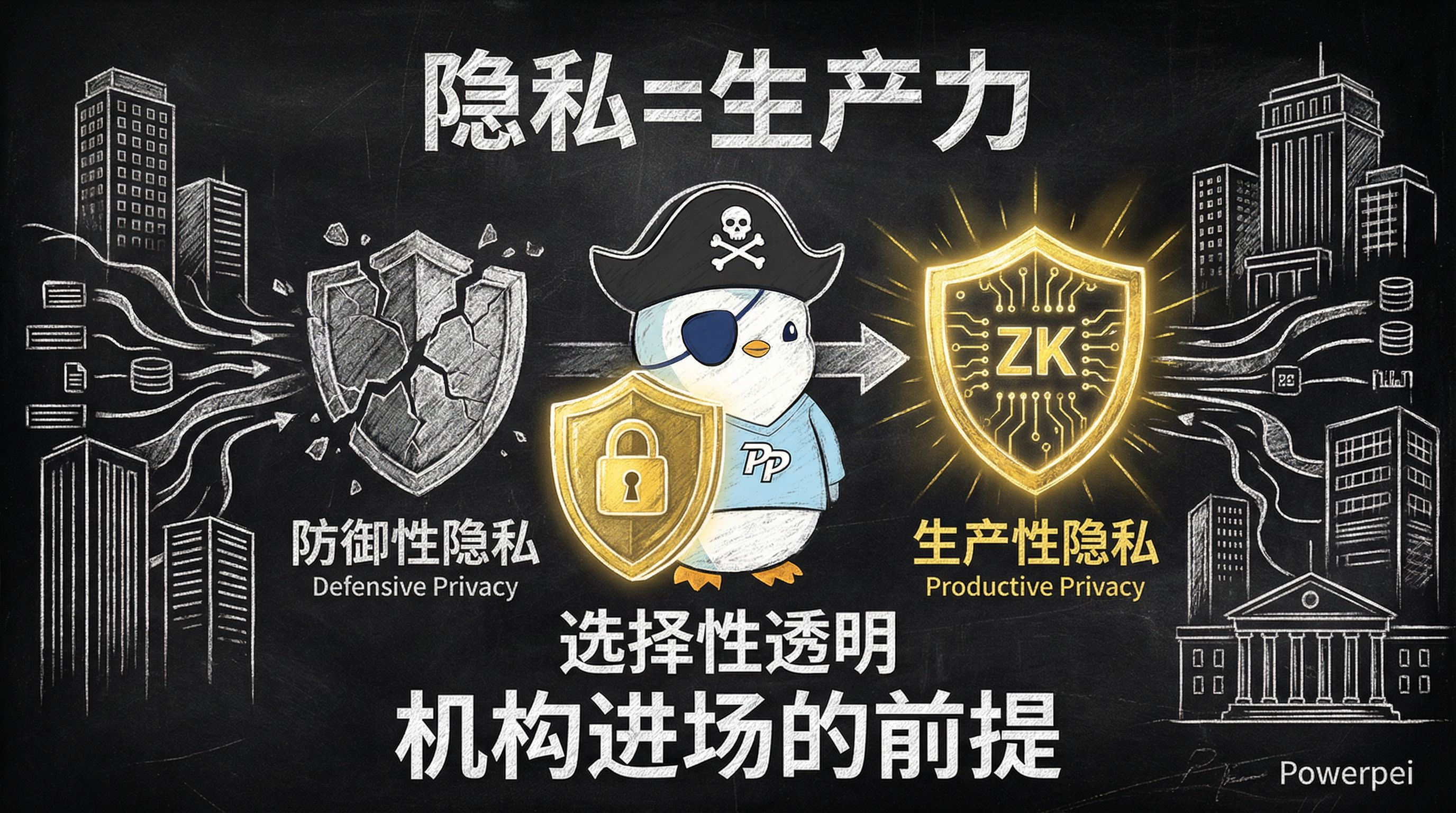
1. Privacy has shifted from 'defense' to 'productivity'.
In the past, when we talked about privacy, it was to prevent surveillance and tracking.
But in the institutional narrative of 2026, privacy is productivity.
If you are Goldman Sachs and you want to issue bonds on-chain, you must hide your holdings (to prevent market impact) and must hide your strategies (to prevent being targeted).
Dusk's Selective Transparency is like a medical record that only doctors can see.
Transactions happen, and the whole network knows; but the details of the transactions can only be seen by regulators.
This is the premise for institutions daring to enter the market.
2. Europe's 'bending curve overtaking'.
Everyone is focused on arguing with the US SEC while ignoring that Europe has already paved the way with MiCA and DLT Pilot Regime.
Dusk's current approach is very pragmatic: it doesn't compete with Ethereum's ecosystem; it directly competes with compliance.
It has embedded itself in the underlying layer of licensed exchanges like 21X. This means that all Tokenized Securities issued on that exchange in the future will run on Dusk's privacy protocol.
This is a parasitic form of expansion.
As long as the compliant securities market erupts, Dusk is the infrastructure that quietly collects tolls.
3. The leap from PoC to production-level.
Many privacy projects are still stuck at the 'mixer' stage, being chased by regulators.
And Dusk's Citadel Identity has integrated KYC/AML into the protocol layer.
This means you don't need to repeat KYC at the application layer; your identification follows your wallet and is private.
This is a devastating blow for institutions that have had enough of cumbersome compliance processes.
This is the hardest road to walk.
It neither pleases Degen (no hundredfold shitcoins) nor pleases geeks (not decentralized enough).
It’s even a bit 'boring'.
But often the most boring places hide the deepest dark horses.
When RWA really starts to land on a large scale in 2026, you will find:
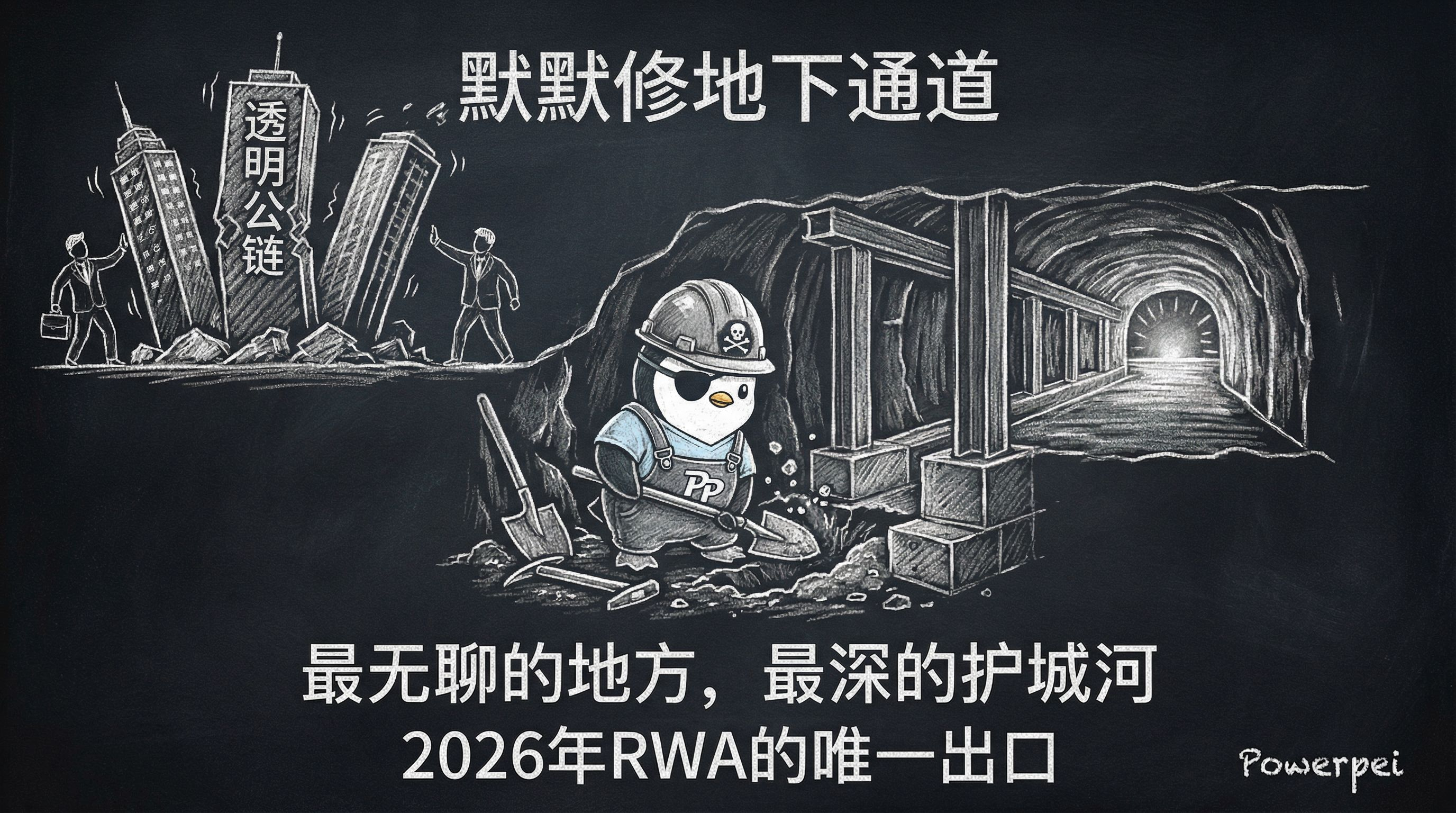
Those public chains that shout the loudest are being shut out by institutions for being 'too transparent';
And this Dusk, which has been silently repairing the 'underground passage', has become the only exit for funds.