
April fifteenth twenty twenty five exposed vulnerability blockchain industry pretends doesn’t exist. Amazon Web Services outage lasted twenty three minutes. During those twenty three minutes, major exchanges froze. Binance stopped processing withdrawals. KuCoin locked trading. MEXC suspended operations. Half the cryptocurrency trading world went dark because one cloud provider experienced technical problems. The incident revealed uncomfortable truth about blockchain’s decentralization claims. Most projects store data on centralized infrastructure despite marketing themselves as trustless systems.
Nine days later another incident reinforced the lesson. Over twenty thousand CloneX NFTs created by RTFKT Studios temporarily disappeared. The cause traced back to Cloudflare-related issue affecting how browsers retrieved images. Collectors who paid thousands of dollars for digital art suddenly couldn’t access what they supposedly owned. The assets didn’t actually vanish from blockchain. The images stored on external servers became inaccessible when those servers failed. This demonstrates difference between owning cryptographic pointer to data versus actually owning data itself.
The Ownership Illusion Nobody Discusses
Traditional blockchains face strict payload limitations around sixty five kilobytes per block. Ethereum can’t store your NFT image onchain. Solana can’t store your gaming assets onchain. Bitcoin definitely can’t store documents onchain. These chains only record cryptographic proofs and pointers referencing data stored elsewhere. Developers compensate by parking assets on IPFS, AWS buckets, Cloudflare, or other external storage solutions. The blockchain records that you own something. The actual thing you own lives on centralized infrastructure.
Jawad Ashraf, Vanar Chain’s CEO, calls this the ownership illusion. Users believe they possess decentralized assets because transaction records live onchain. The reality reveals different picture. The JPEG for your expensive NFT exists on Amazon server or IPFS node that might disappear tomorrow. Your gaming item metadata lives in database controlled by company that could shut down next month. The legal document backing tokenized real estate sits on cloud storage vulnerable to outages or data loss. You own pointer to content but not content itself.
This architecture creates single points of failure contradicting blockchain’s core value proposition. When AWS experienced technical issues April fifteenth, exchanges relying on their infrastructure couldn’t function despite blockchain consensus continuing normally. When Cloudflare had problems days later, NFT images vanished despite ownership records remaining intact onchain. The infrastructure supporting blockchain applications proves just as centralized and vulnerable as systems blockchain supposedly improves. The April incidents demonstrated this contradiction dramatically.
 When Twenty Five Megabytes Becomes Fifty Kilobytes
Vanar Vision conference April thirtieth showcased Neutron compression stack at Dubai’s Theatre of Digital Art. The venue features three hundred sixty degree visual projections creating immersive environment for demonstrations. Over one hundred twenty venture capitalists, payment technology leaders, startup founders, and journalists gathered near Token2049 hub witnessing technology addressing storage limitations. Against backdrop of animated code visuals, demonstration compressed twenty five megabyte 4K video file into forty seven character Neutron Seed embedded in live Atlas mainnet transaction. The system then restored and played back full video in under thirty seconds.
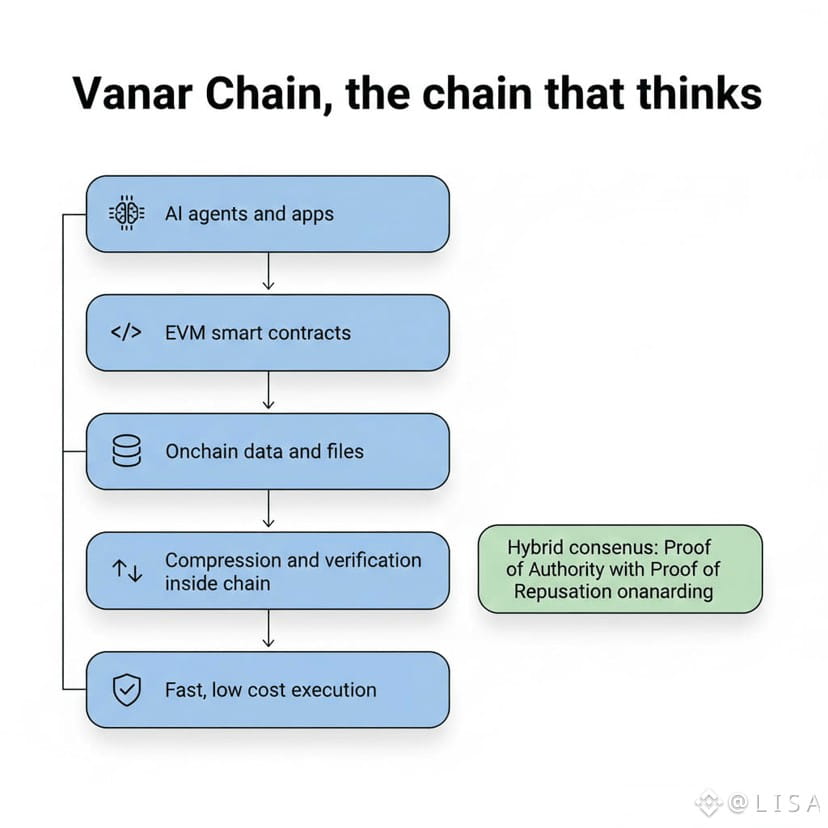
The compression achieves five hundred to one ratios through four-stage pipeline. AI-Driven Reconfiguration analyzes file structure determining what information requires preservation versus what can be abstracted or referenced. Quantum-Aware Encoding applies cryptographic proofs ensuring data remains verifiable even at massively reduced size. Chain-Native Indexing creates queryable structure allowing smart contracts to interact with compressed information. Deterministic Recovery enables perfect reconstruction when needed. The process doesn’t just shrink files. It understands them.
Neutron introduces intelligent compression distinct from traditional lossless or lossy approaches. Neural structuring analyzes semantic meaning within files. System learns what to keep, what to abstract, what to reference. Cryptographic proofs verify retrieved data matches original despite compression. Every compression operation teaches system optimizing for new formats and use cases. The technology stores understanding rather than just bytes. Standard blockchain payload limits around sixty five kilobytes suddenly accommodate megabytes of compressed meaningful data queryable by smart contracts.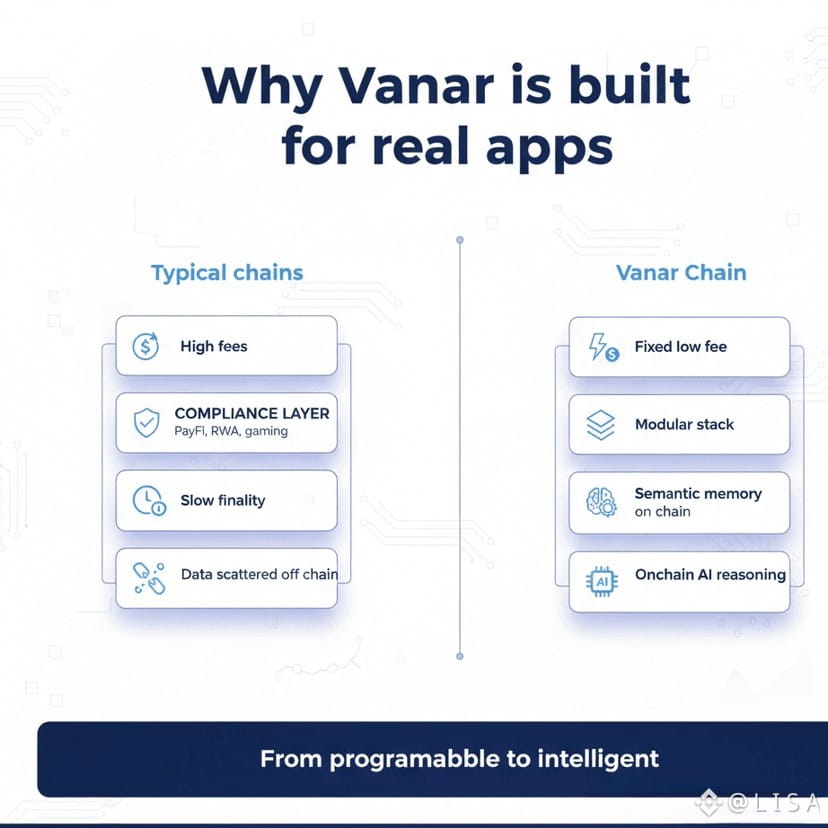
The implications extend beyond storage efficiency. Gaming assets stored fully onchain never depend on external servers. Real World Asset documentation embedded in blockchain proves tamper-proof and permanent. DeFi applications attach verifiable file evidence to transactions. DAO governance records become immutable without relying on third parties. AI agents access persistent memory enabling context continuity impossible with external storage. Each use case previously compromised by storage limitations or external dependencies becomes viable through native onchain implementation.
World of Dypians Running Onchain While Others Point External
World of Dypians attracted one hundred thirty five million active wallets during third quarter twenty twenty five becoming number one Web3 game. The multiplayer online role-playing game spans two thousand square kilometer virtual world with three hundred ninety million onchain transactions and three point seven million monthly players demonstrating sustained engagement.
The game operates fully onchain across Vanar, opBNB, Core, and Base. Assets exist permanently on blockchain with metadata embedded rather than stored externally. Gaming world state persists independent of any company server. This contrasts sharply with most blockchain games storing only ownership records onchain while actual assets live on centralized servers. Unreal and Unity API integration enables developers creating games leveraging micropayment support and digital asset marketplaces. Fixed fee around half penny per transaction enables microtransactions economically impossible on chains with variable gas.
PayFi Requiring Documents That Actually Exist
PayFi applications tokenizing real world assets face fundamental problem traditional blockchains cannot solve. When tokenizing property deed, compliance regulations require attaching legal documentation proving ownership. That documentation must remain accessible for verification by courts, regulators, and counterparties. Storing document on IPFS or AWS introduces same vulnerability demonstrated by April outages. If external storage fails, tokenized asset loses verifiability defeating purpose of blockchain-based ownership records.
Neutron enables embedding actual legal documents, compliance certificates, and proof of ownership directly onchain compressed at five hundred to one ratios. Property tokenization includes deed stored as queryable Neutron Seed. Trade finance instruments embed bills of lading and customs documentation. Regulatory compliance attaches required disclosures permanently to tokenized securities. Smart contracts query document contents verifying conditions without external API calls. The entire compliance stack exists onchain eliminating external dependencies that introduce counterparty risk.
Brillion Finance partnership targets transforming Real World Asset access through primary RWA wallet simplifying entry into diverse financial investments. When assets tokenized using Neutron compression, compliance documentation embedding ensures regulatory requirements met permanently onchain. AIT Protocol integration provides AI and machine learning tools analyzing compressed documents extracting insights without requiring external data sources. The combination enables PayFi applications where tokenized assets carry verifiable documentation rather than pointing to files that might disappear.
The use cases extend to identity verification, supply chain documentation, insurance contracts, medical records, academic credentials, and intellectual property registration. Each application previously compromised by external storage dependency becomes viable through native onchain implementation. Kayon decentralized intelligence engine will query and interact with Neutron Seeds understanding context and relationships within compressed data. This creates foundation where smart contracts operate on actual information rather than cryptographic pointers to information stored elsewhere.
What Quantum Computing Threat Actually Means
Jawad Ashraf explained quantum computing threats during Vanar Vision conference. Traditional cryptographic keys securing blockchain transactions remain vulnerable to quantum attack vectors. When quantum computers achieve sufficient power, they’ll crack encryption protecting private keys. Vanar engineers quantum resistance into architecture anticipating future challenges through Quantum-Aware Encoding implementing encryption techniques resistant to quantum attacks. Data stored onchain today must remain secure decades into future when quantum threats materialize.
Fresh integrations with Google Cloud renewable energy nodes, NVIDIA’s CUDA-accelerated AI stack, and Worldpay ensure Neutron Seeds can be minted on enterprise infrastructure. Regional roadshows across MENA and Europe introduce technology to regulators and institutional investors building adoption beyond speculative trading applications.
When Infrastructure Actually Matters
The April AWS outage revealed blockchain industry’s dirty secret. Despite marketing decentralization, most applications depend heavily on centralized infrastructure. This dependency undermines value proposition driving blockchain adoption. Users seeking censorship resistance and permanent ownership discover their assets vanish when Amazon servers fail or Cloudflare experiences issues. The contradiction between messaging and reality creates skepticism limiting institutional adoption.
Vanar’s approach eliminates this contradiction through genuine native onchain storage. Data lives where consensus lives. Nothing points outside chain. When validator nodes process transactions, they access actual compressed data rather than fetching external references. Gaming assets exist onchain. Legal documents embed onchain. AI agent memory persists onchain. Each application realizes genuine decentralization rather than performing security theater while relying on centralized backends.
The fixed fee structure around half penny per transaction enables applications requiring frequent onchain interactions. Three-second block time and thirty million gas limit support massive transaction volumes. EVM compatibility allows Ethereum developers deploying contracts with minimal modifications. Corporate validators through Proof of Reputation model provide enterprise accountability. Google Cloud renewable energy infrastructure demonstrates environmental commitment. The technical capabilities combine with professional infrastructure targeting mainstream adoption.
We’re seeing fundamental reimagining of what blockchain infrastructure provides. Traditional chains record transactions and ownership. Vanar records transactions, ownership, and actual content those transactions reference. The distinction creates possibility space for applications impossible on chains limited to recording cryptographic proofs. When gaming assets exist fully onchain, games persist independent of developers. When legal documents embed onchain, tokenized assets maintain verifiability permanently. When AI memory stores natively, agents maintain context across sessions.
Whether Storage Determines Adoption
The question facing blockchain evolution asks whether native onchain storage becomes competitive advantage or unnecessary complexity. Traditional architecture succeeded creating hundred billion dollar cryptocurrency market despite storage limitations. Developers adapted by using external infrastructure. Users accepted compromise between decentralization ideals and practical implementation. The existing approach works sufficiently well for financial applications where transaction records matter more than underlying asset storage.
Vanar targets different market. Entertainment applications with billions of consumers require data persistence independent of company survival. PayFi applications tokenizing real world assets need compliance documentation remaining accessible permanently. AI agents maintaining context between sessions demand memory storage not vulnerable to external failures. These use cases previously impossible or impractical become viable through native storage enabling genuine onchain implementation rather than hybrid architecture depending on centralized components.
The April AWS outage provided natural experiment testing centralized versus decentralized infrastructure resilience. Exchanges using AWS infrastructure failed. Blockchain consensus continued normally. NFT images stored externally disappeared temporarily. Transaction records remained intact. The incident demonstrated exactly which components actually decentralized versus which components relied on traditional infrastructure. Vanar’s architecture ensures assets themselves decentralized not just records referencing assets stored centrally.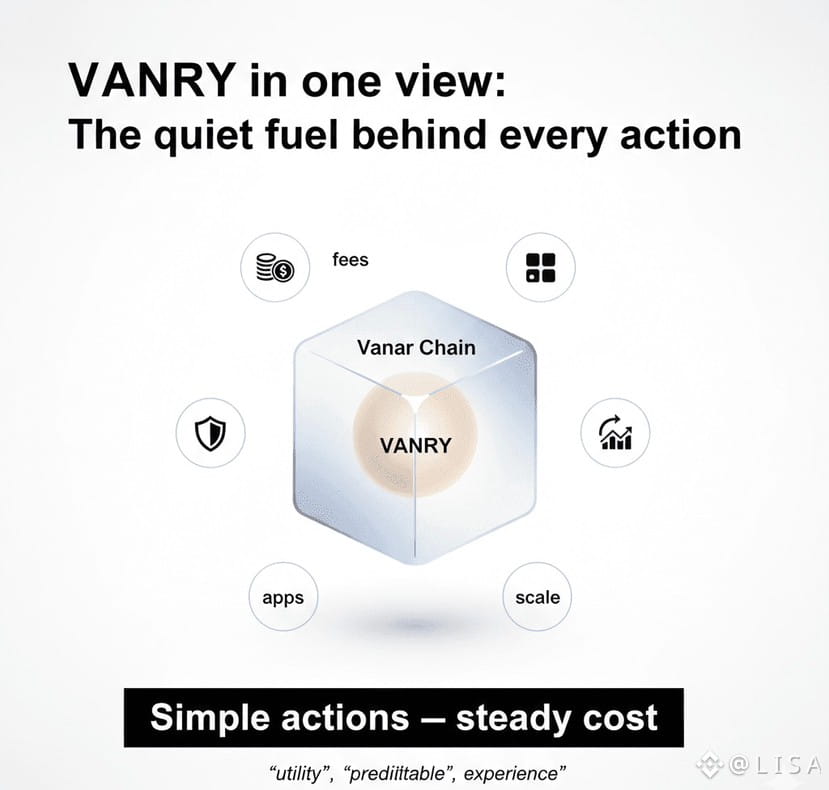
Whether mainstream adoption requires this genuine decentralization remains open question. Financial speculation tolerates centralized dependencies. Gaming, entertainment, compliance, and AI applications might require authentic onchain storage. The five hundred to one compression ratios making onchain storage economically viable for real applications represents technical achievement enabling possibilities previously impossible. Whether market demands these possibilities determines if Vanar’s approach becomes industry standard or specialized solution serving niche requirements.
The AWS outage lasting twenty three minutes disrupted half the trading world. That brief interruption cost millions in failed transactions and revealed vulnerability industry prefers ignoring. Vanar demonstrated alternative where consensus and content live together eliminating external dependencies creating single points of failure. Whether this matters enough to drive adoption determines blockchain’s evolution toward genuine decentralization or acceptance that hybrid architectures combining blockchain records with centralized storage represent sufficient compromise. The outcome shapes how hundreds of millions of users will interact with digital assets over coming decades.
