
@Walrus 🦭/acc Is WALRUS building real, defensible demand — or just borrowing attention until incentives run out?
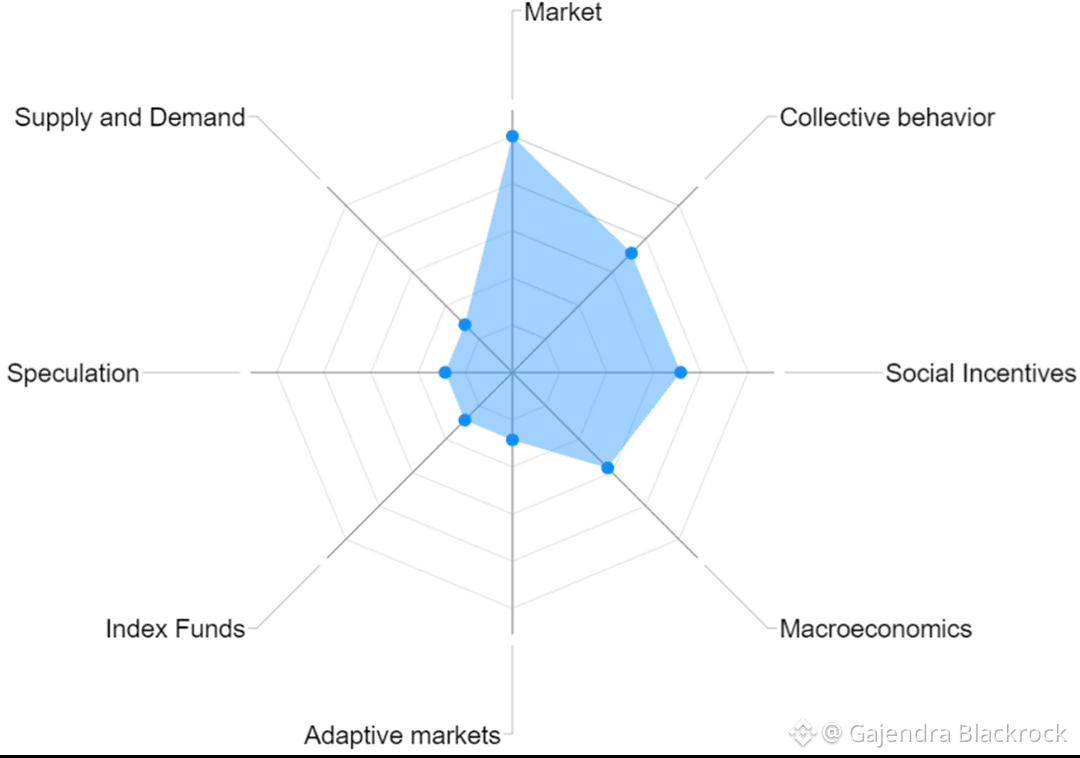
Crypto is full of tokens that move without ever anchoring. Prices spike, metrics look alive, dashboards glow green — and yet nothing underneath actually needs the token to exist. WALRUS sits uncomfortably close to that fault line. The question isn’t whether WALRUS has demand today. It clearly does. The harder, more uncomfortable question is whether that demand is defensible — meaning durable, non-substitutable, and resistant to incentive decay.
This article argues that WALRUS’s current demand profile is structurally fragile. Not because the tech is fake, or the vision is incoherent, but because the mechanism of demand creation is misaligned with the mechanism of value capture. WALRUS may be solving a real problem, but the token is not yet the solution’s choke point. And in crypto, if the token isn’t the choke point, it becomes optional. Optional tokens don’t hold value under pressure.
To understand this, we need to separate usage from necessity. WALRUS has usage. Defensible demand requires necessity....
The Core Tension: Storage Is Needed, Tokens Are Not
WALRUS positions itself as decentralized, censorship-resistant storage. That pitch works because storage is one of crypto’s few genuinely non-speculative use cases. Data must live somewhere. Enterprises, protocols, and users increasingly talk about sovereignty, durability, and auditability. On paper, WALRUS is fishing in a real lake.
But here’s the first crack: storage demand does not automatically translate into token demand.
A user wanting to store data cares about price stability, reliability, latency, and compliance. A token holder cares about scarcity, velocity, and capture. WALRUS tries to bridge these two worlds, but the bridge is shaky. If storage fees can be abstracted away, subsidized, or paid indirectly, then WALRUS the token becomes a backend accounting unit, not an economic asset with leverage.
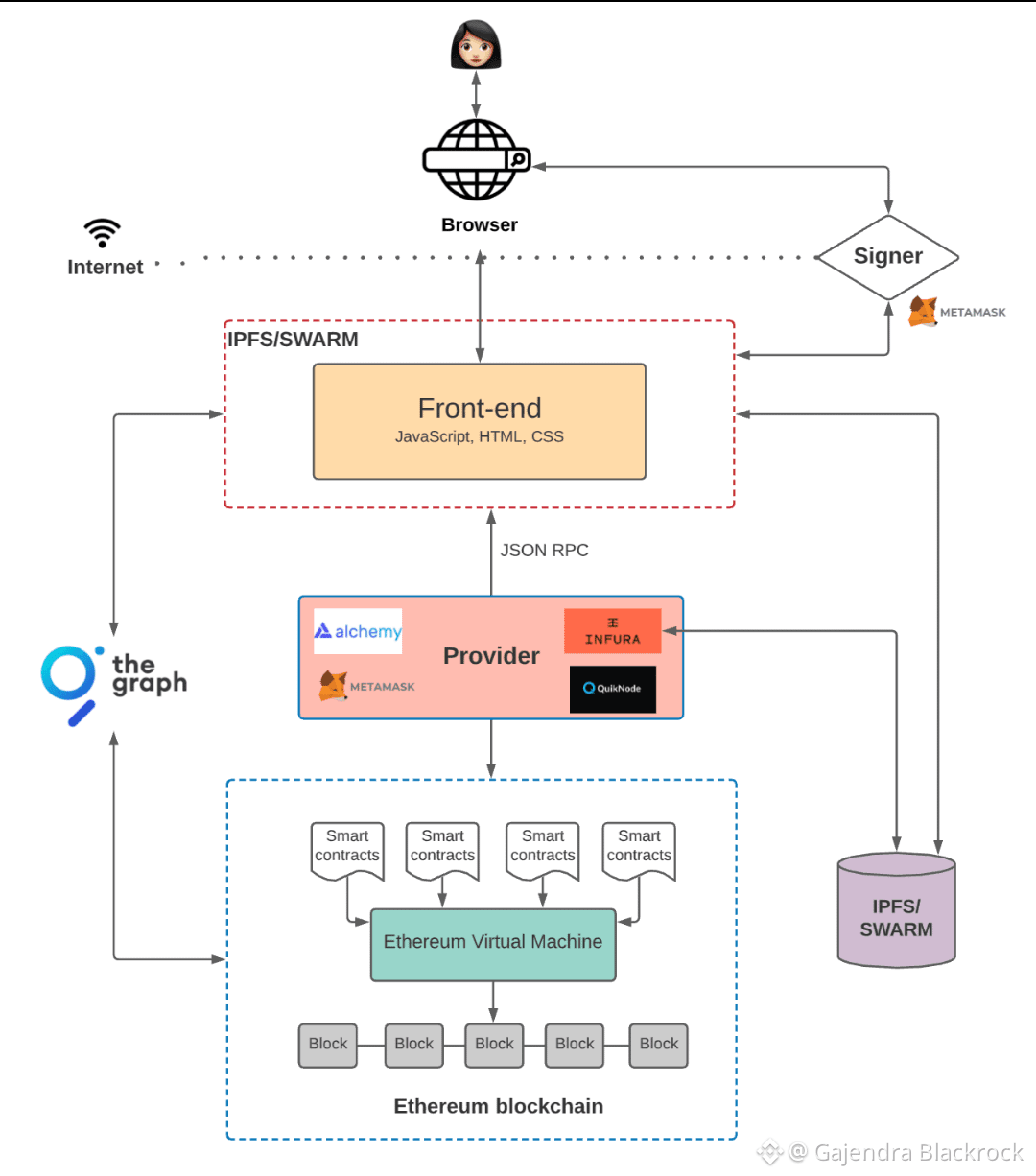
This is where many storage tokens die quietly. They mistake infrastructure relevance for token indispensability.
Incentives as a Demand Substitute
Right now, WALRUS activity is heavily shaped by incentives: testnet rewards, ecosystem grants, and usage nudges that lower or eliminate real economic friction. This is not unique to WALRUS; it’s standard crypto practice. The problem is what happens when incentives end.
If users stay because switching costs are high, demand is defensible. If users stay because the token is unavoidable, demand is defensible. If users stay only because the cost is artificially low, demand is rented.
Early WALRUS metrics — storage uploaded, nodes onboarded, wallets interacting — look healthy. But metrics driven by incentives are ambiguous signals. They tell you people are willing to act when paid, not when constrained.
This distinction matters because incentive-driven systems tend to produce high token velocity. Tokens move fast, get dumped, and rarely accumulate in long-term hands. High velocity suppresses price even when usage grows. WALRUS currently shows signs of this pattern: activity without stickiness, flow without lock-in.
A Real-World Parallel: Filecoin’s Institutional Wall
To see where this path can lead, look at Filecoin’s institutional adoption arc. Filecoin also promised decentralized storage with real demand. It secured pilots with institutions, research orgs, and even government-linked archives. On the surface, this should have been the holy grail: real users, real data, real need.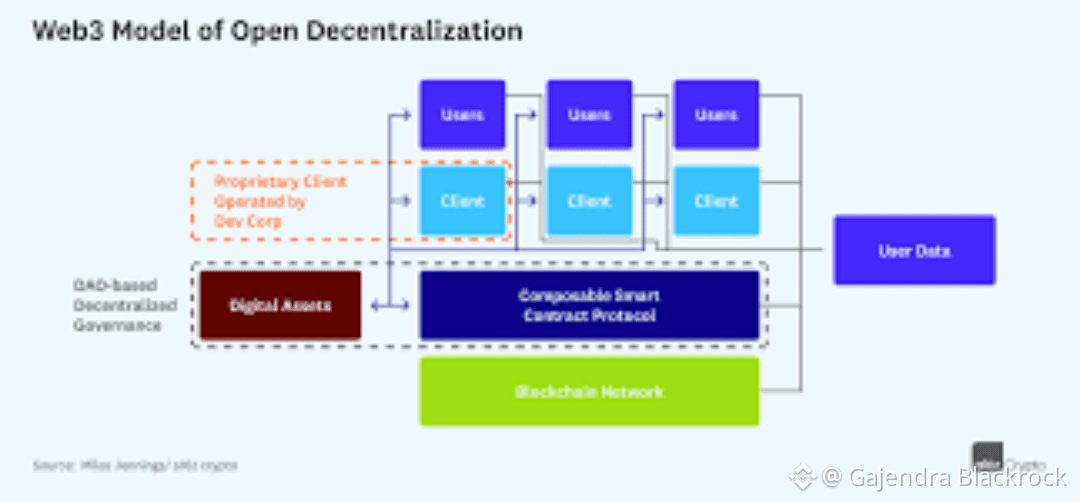
What happened instead was revealing. Institutions wanted predictable pricing, service-level agreements, and legal accountability. They often used Filecoin infrastructure while minimizing exposure to the FIL token itself. Middleware layers emerged to abstract the token away. Storage demand existed, but token demand weakened.
FIL became a financing instrument for miners and a speculative asset for traders — not a necessary asset for end users. Despite massive usage, FIL’s value capture lagged expectations.
WALRUS risks repeating this pattern unless it forces a tighter coupling between data permanence and token permanence.
Where WALRUS Differs — and Where It Doesn’t
To be fair, WALRUS is not a clone. Its architecture emphasizes composability and integration with on-chain applications rather than enterprise-only cold storage. This gives it an edge in crypto-native contexts like rollups, archives, and protocol-level data availability.
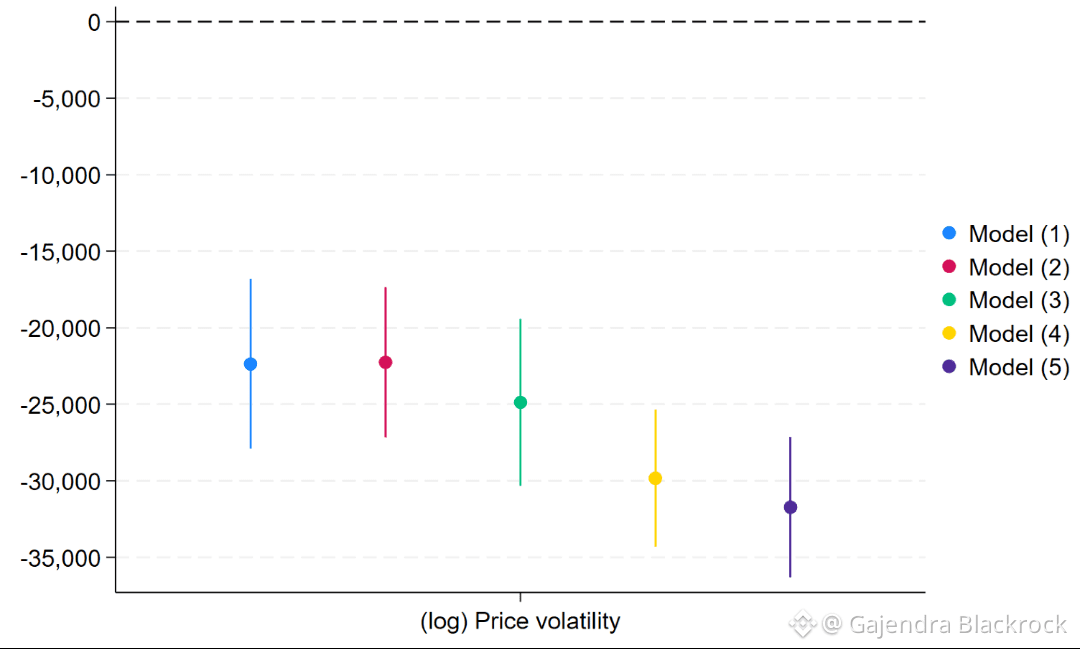
However, this also sharpens the risk. Crypto-native users are the most ruthless optimizers. If WALRUS storage can be mirrored, cached, or replaced without holding the token long-term, they will do it. Loyalty does not exist at the protocol layer. Only constraints do.
Compared to Arweave, for example, WALRUS appears more flexible but less opinionated. Arweave hard-coded permanence and prepaid storage, forcing upfront token demand and long-term supply lock. That model is rigid, but it is defensible. WALRUS’s flexibility may attract builders — while quietly weakening the token’s leverage.
Flexibility is great for adoption. It’s terrible for scarcity.
Token Demand vs Token Throughput
A key blind spot in many WALRUS discussions is the confusion between demand to use the network and demand to hold the token.
If users buy WALRUS tokens only to immediately spend them on storage fees, then sell or never rebuy, the system experiences throughput, not accumulation. Throughput creates fees, not necessarily price appreciation. Accumulation requires either staking pressure, collateral utility, governance power, or irreversible burns that matter at scale.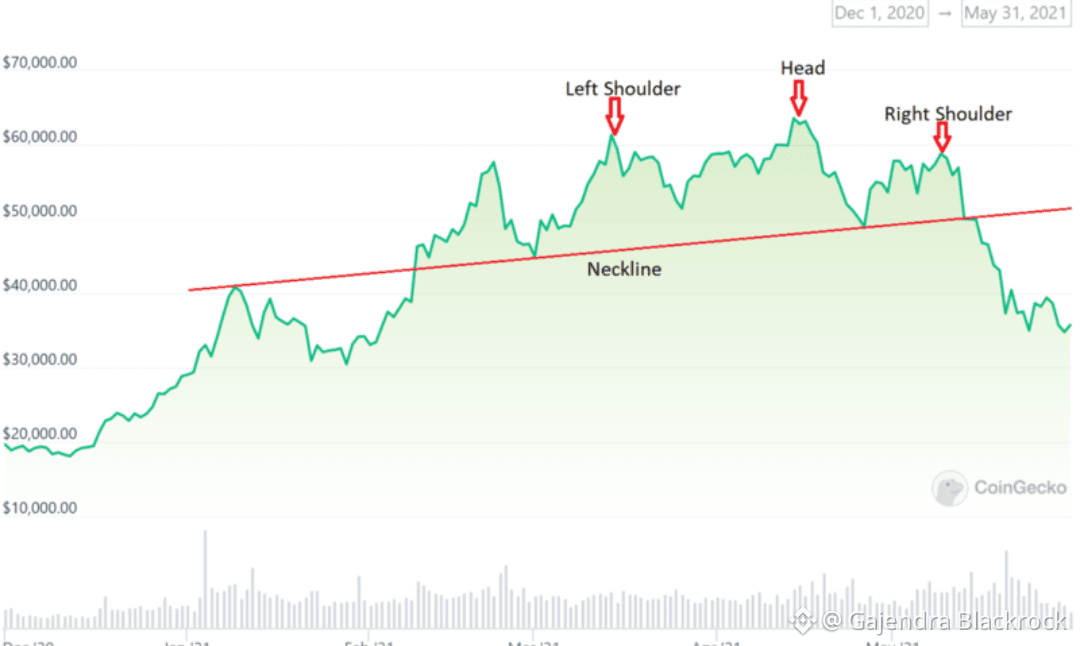
At present, WALRUS leans more toward throughput than accumulation. That means its economic security depends on continuous inflow of new users or incentives. That’s a treadmill, not a moat.
Defensible demand emerges when exiting the system becomes expensive or irrational. WALRUS has not yet crossed that threshold.
The Compliance Paradox
Another uncomfortable angle is regulation. Decentralized storage is often marketed as censorship-resistant, but real demand at scale increasingly comes from regulated entities. Those entities want guarantees, not ideals.
If WALRUS leans into compliance, it risks introducing permissioned layers that weaken decentralization and reduce token necessity. If it leans away from compliance, it limits institutional demand and caps growth. Either way, the token sits in the middle, absorbing the tension without resolving it.
This is not hypothetical. Storage providers interacting with GDPR, data residency laws, and takedown requests have already faced legal pressure. Protocols that survive often do so by introducing off-chain enforcement or intermediaries — both of which reduce token centrality.
WALRUS has not yet shown how it avoids this trap.
Value Capture Is Still an Open Question
For WALRUS to create defensible demand, one of three things must become true.
First, the token must be required for long-term storage guarantees in a way that cannot be abstracted. Second, holding the token must grant access to scarce resources or priority services that matter economically. Third, the token must become collateral or security for applications that cannot function without it.
Right now, none of these are fully locked in. WALRUS demand exists, but it is contestable. Contestable demand leaks value.
Proposed Visuals Using Real Data
One useful visual would be a token velocity vs network usage chart, plotting WALRUS on-chain transaction velocity against total data stored over time. This would show whether increased usage correlates with reduced holding periods or not. Data could be sourced from on-chain explorers and WALRUS network dashboards.
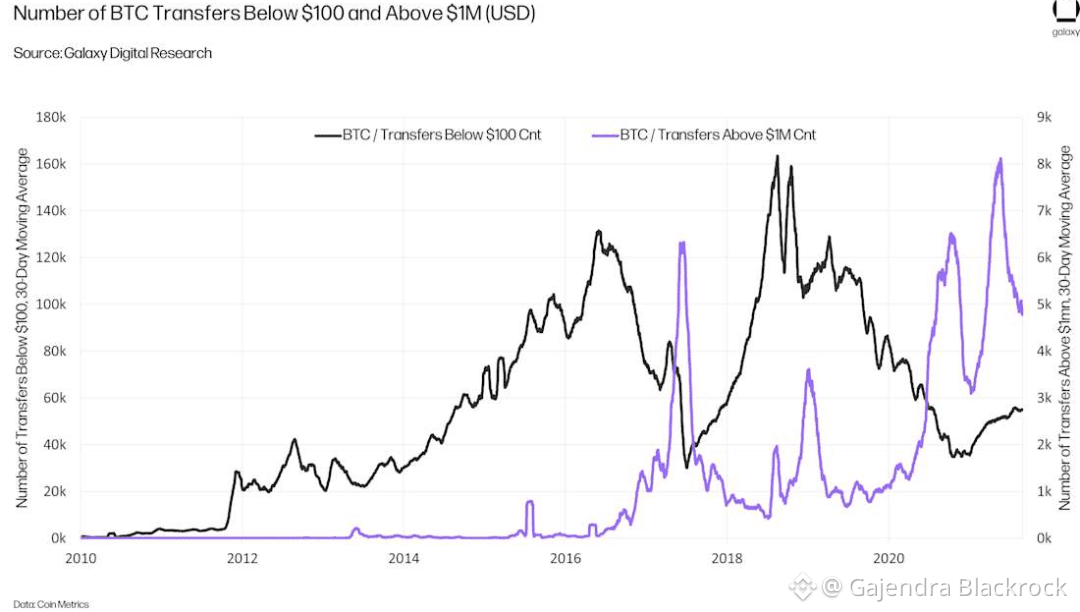
A second visual could be a comparative value capture table contrasting WALRUS, Filecoin, and Arweave on parameters like fee abstraction, mandatory token holding, and storage permanence guarantees. This framework highlights structural differences without marketing bias and forces the reader to confront trade-offs.
These visuals wouldn’t decorate the article — they would expose the core economic truth.
So, Does WALRUS Create Defensible Demand?.
That doesn’t mean it can’t. It means the current system prioritizes growth and flexibility over economic hardness. That’s a strategic choice, but it comes with consequences. Until WALRUS makes the token unavoidable — not just useful — demand will remain fragile.
The most dangerous thing for WALRUS is not failure. It’s partial success. Enough adoption to look alive, but not enough constraint to lock value in. That’s how protocols drift into irrelevance while still shipping updates.
If WALRUS wants defensible demand, it must stop asking whether people can use the token — and start forcing the question of whether they can avoid it.#walrus #Walrus $WAL