
Most people still think blockchains exist mainly for trading coins, minting collectibles, or experimenting with apps that feel disconnected from everyday life. When I started reading about Plasma XPL, I noticed it was not trying to compete in that arena at all. Plasma is built around one very specific idea: stablecoins are already money, and money deserves its own rails.
Instead of acting like a general purpose chain that tries to do everything at once, Plasma positions itself as settlement infrastructure for digital dollars. It feels less like an app ecosystem and more like a financial highway that is meant to stay invisible while value moves across it.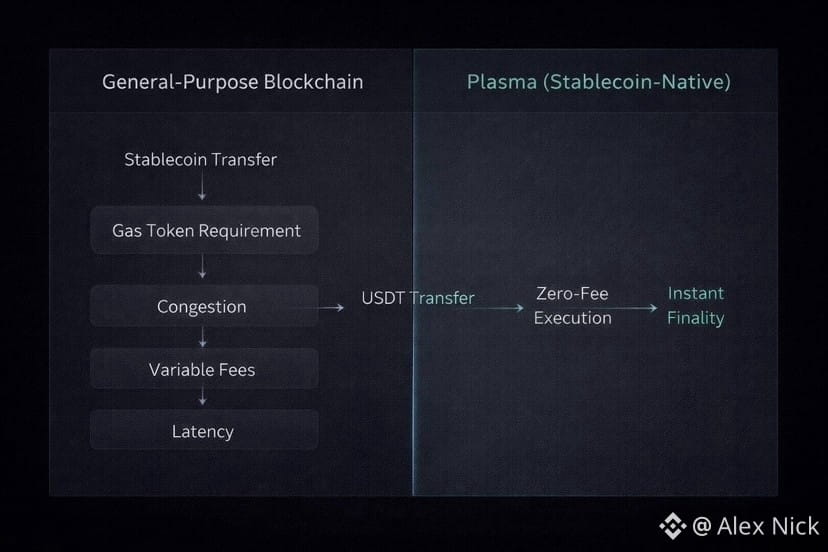
Why a dedicated stablecoin network even matters
Stablecoins are no longer an experiment. They are used daily for payments, remittances, payroll, and cross border transfers. There are hundreds of billions in circulation and trillions in monthly volume. I see them used constantly, especially in places where banking is slow or unreliable.
Yet most of this activity still runs on blockchains that were never built for payments. On networks like Ethereum or Tron, users must hold a separate native token just to move dollars. Fees change without warning. Congestion appears randomly. Even small transfers can become annoying or unpredictable.
What Plasma noticed is simple but powerful. If stablecoins are behaving like money, then the chain beneath them must treat them as money from the start. Not as an add on. Not as a token type. But as the core purpose of the system. That single assumption shapes everything Plasma builds.
Zero fee transfers as a design choice not a trick
One of the first things people hear about Plasma is free USDT transfers. At first glance it sounds like marketing. But when I looked deeper, it became clear this was structural.
Plasma handles gas at the protocol level. When I send USDT, I do not need to hold a native token just in case. I do not have to think about gas at all for basic payments. The chain absorbs that complexity for me.
This matters more than people admit. Every extra requirement breaks onboarding. When someone wants to send digital dollars, they do not want to become a crypto expert first. Plasma removes that mental burden entirely. It makes stablecoin payments feel closer to normal money movement.
Performance built for payments not speculation
Payment systems live or die on reliability. Plasma uses its own consensus design called PlasmaBFT, derived from fast Byzantine fault tolerant models. Finality arrives almost instantly and throughput reaches levels required for merchant flows and high volume settlement.
From my perspective, speed is not about bragging rights. It is about confidence. When money moves, people expect certainty. Plasma is engineered so payments do not feel probabilistic or delayed.
On the execution side, Plasma runs the Ethereum Virtual Machine using the Reth client. This is a practical decision. Developers can use the same tools they already know like MetaMask, Solidity and common frameworks. That means Plasma is not only a payment rail but also programmable money.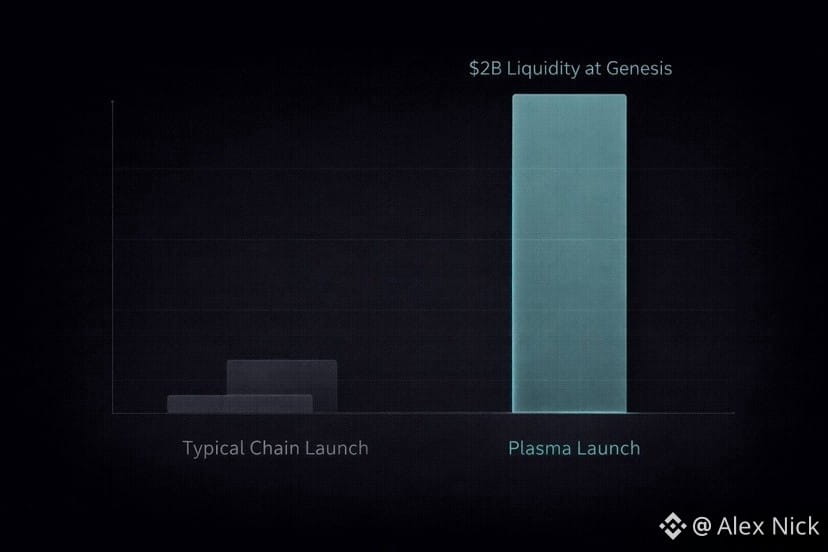
Paying fees using what people already own
Another part I found interesting is how Plasma handles transaction costs beyond simple transfers. For more complex actions, users can pay fees using whitelisted assets like stablecoins or tokenized Bitcoin rather than being forced to buy XPL.
This design accepts reality. Most people using stablecoins do not want exposure to volatile tokens just to operate. Plasma reduces that friction by letting users stay in the assets they already trust.
That flexibility also helps wallets, merchants and payment providers integrate more easily. The system begins to look less like a crypto product and more like financial infrastructure.
Anchoring trust to Bitcoin
Security is where Plasma becomes especially intentional. Instead of inventing a new trust story, it borrows one that already exists.
Through a trust minimized Bitcoin bridge, Plasma allows Bitcoin to be represented on the network while anchoring its own state roots to Bitcoin periodically. This approach connects Plasma to the strongest security model in crypto without slowing down everyday activity.
For institutions and large stablecoin flows, this matters. Bitcoin provides neutrality and credibility. Plasma provides speed and usability. Together they form a balance that many payment systems lack.
Early signals of real usage
Plasma mainnet beta launched in late 2025 and attracted massive liquidity on day one. Billions in stablecoins moved into the system immediately. That kind of start is rare and usually reflects pent up demand rather than speculation alone.
The network also integrates with NEAR Intents, allowing cross chain routing across dozens of networks and over a hundred assets. This tells me Plasma does not see itself as isolated. It wants to sit inside a broader settlement fabric where liquidity flows freely.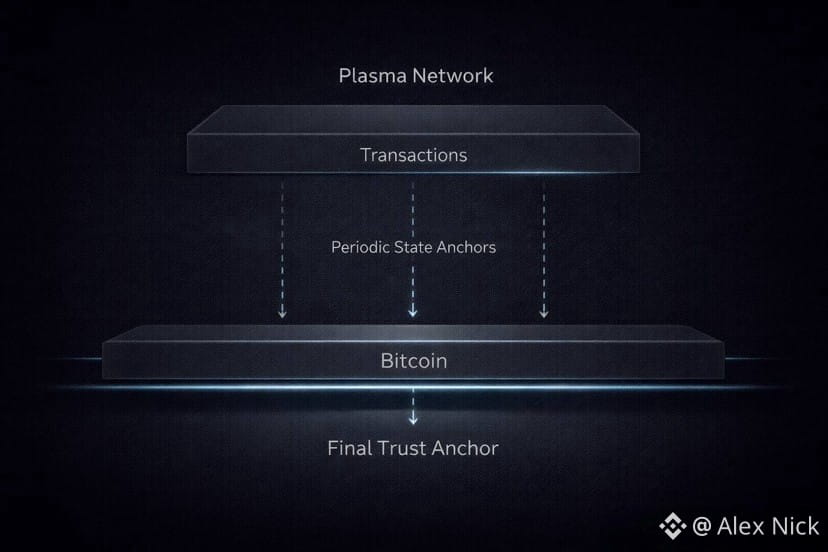
DeFi platforms and structured yield tools have also begun deploying. That expands Plasma beyond simple transfers into real financial activity that depends on stable settlement.
Understanding the role of XPL
XPL is not designed to be the currency people spend daily. Its role is coordination.
The token secures the network through staking, supports governance, and powers advanced operations beyond basic stablecoin transfers. The supply is structured with long term vesting to align incentives across validators, developers and the ecosystem.
From how I see it, XPL exists so users do not have to care about it. That may sound strange, but it is exactly how infrastructure tokens should behave.
Moving toward real world financial products
Plasma is also extending beyond pure blockchain rails. Products like Plasma One aim to connect stablecoins with cards, savings features and everyday spending.
This is where the vision becomes tangible. Digital dollars only truly scale when people can save them, spend them, and earn with them without learning crypto mechanics. Plasma seems to understand that adoption does not happen in developer dashboards. It happens in daily habits.
A different way to think about stablecoins
What Plasma is really doing is reframing the question. Instead of asking how blockchains can host money, it asks how money should behave on blockchains.
Speed. Predictability. Low friction. Trust. These are not speculative ideals. They are financial expectations. Plasma builds around those expectations from the base layer upward.
Whether this vision succeeds will take time. Payment infrastructure grows quietly, not explosively. But the approach is clear. Plasma is not chasing trends. It is attempting to make stablecoins feel normal.
And honestly, that might be the most disruptive thing a blockchain can do.

