
Most blockchains were not designed with stablecoins in mind. Stablecoins arrived later and were forced to fit into systems optimized for speculation, volatile assets, and complex fee mechanics. Plasma flips that approach. It starts with a simple question: if stablecoins are already being used for payments, remittances, and settlement, what would a blockchain look like if it was built specifically for that job?
@Plasma $XPL is a Layer 1 blockchain focused on stablecoin settlement as its core function, not a side feature. Everything from its consensus to its fee model is optimized around moving stable value quickly, cheaply, and reliably. Sub-second finality through PlasmaBFT means payments don’t hang in limbo waiting for confirmations. When a transaction settles, it settles fast, which matters a lot for real-world payments and treasury operations.

Unlike many purpose-built chains, Plasma doesn’t sacrifice developer flexibility. Full EVM compatibility via Reth allows existing Ethereum tooling, contracts, and developer knowledge to work without friction. That makes it easier to build payment rails, merchant tools, payroll systems, and settlement layers without reinventing the wheel.
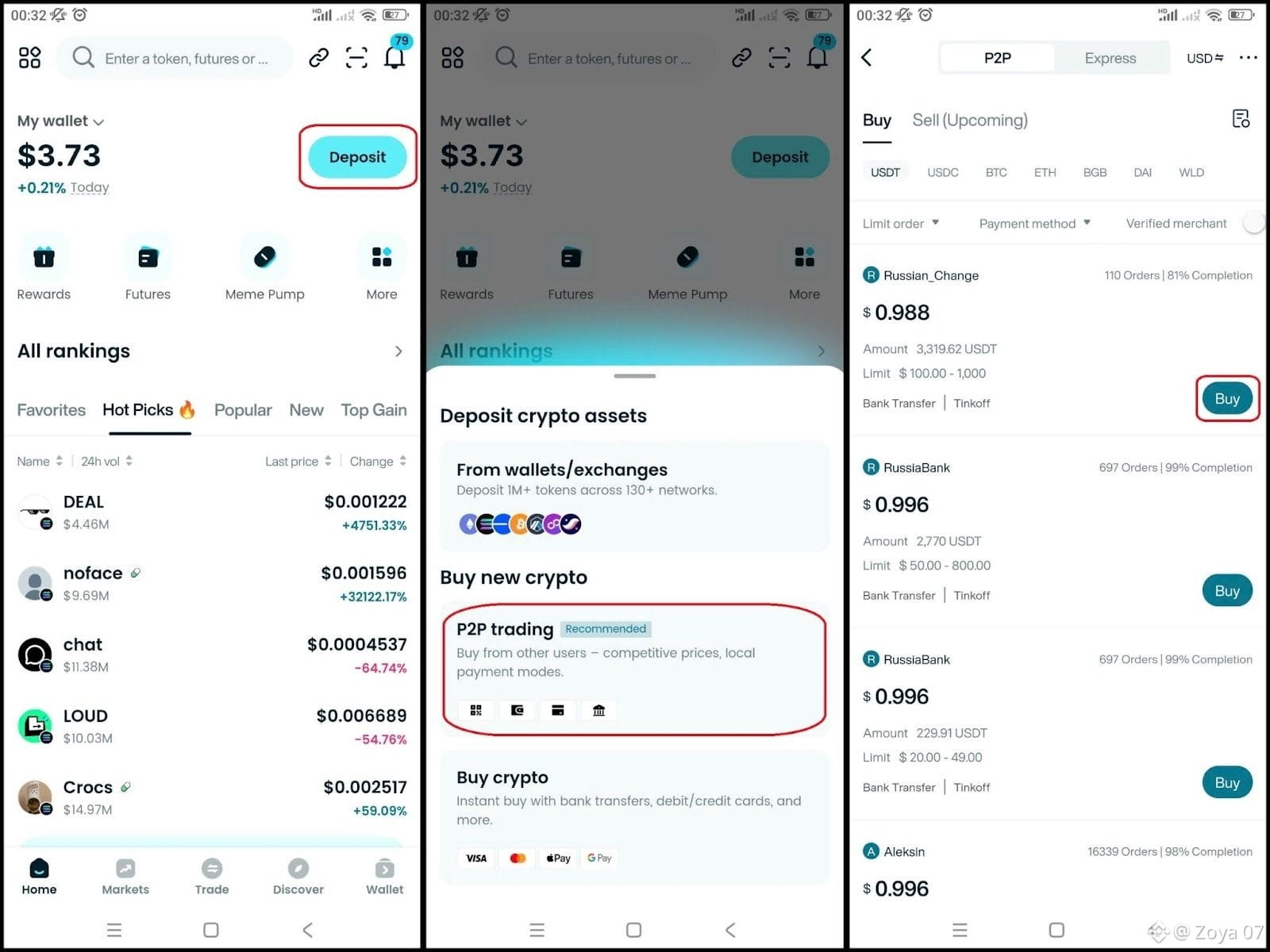
Where Plasma really stands out is in its stablecoin-first design. Gasless USDT transfers remove a major usability barrier for everyday users, especially in high-adoption regions where people want stablecoins to feel as simple as cash or mobile money. Paying fees in stablecoins instead of volatile native tokens also makes costs predictable, which institutions and payment providers care deeply about.
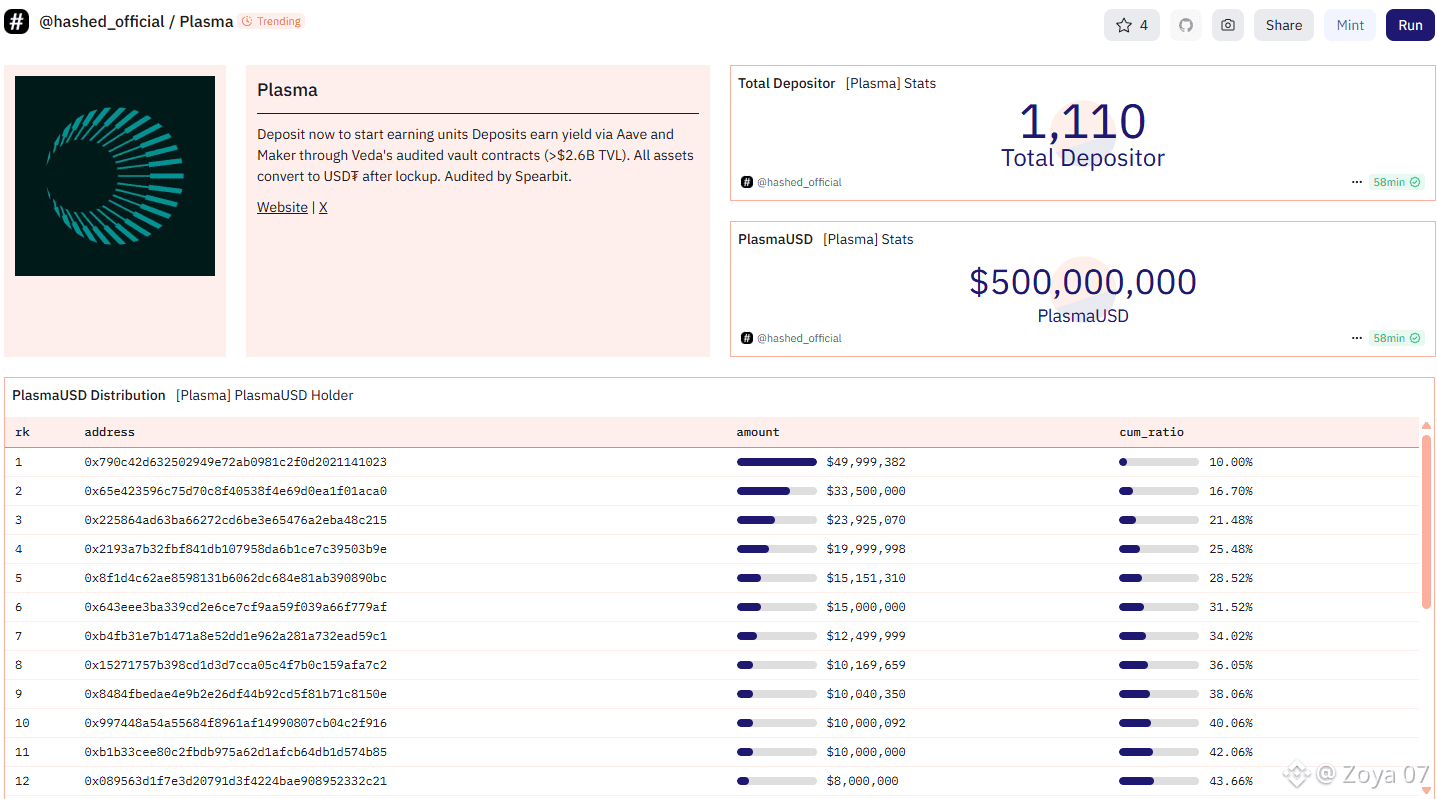
The Bitcoin-anchored security model adds another layer of neutrality and censorship resistance, aligning Plasma with long-term trust assumptions rather than short-term incentives. This matters for financial infrastructure that needs to operate across borders and political environments.
As stablecoins move from trading tools to real financial rails, chains like Plasma raise an important question: do we need general-purpose blockchains for everything, or specialized infrastructure for what people actually use daily? What role do you think stablecoin-native chains will play in the next phase of crypto adoption