

Smart Contract Safety on Vanar Chain
Smart contract safety isn’t just something for developers to worry about anymore. These days, it’s at the center of any blockchain that wants to handle real people, real money, and apps that don’t just fizzle out. On Vanar Chain, safety isn’t an extra box they tick—it’s built into the whole thing, from the architecture to the tools and the rules, all the way down to daily use. They don’t just wait around for bugs to show up after launch. The whole idea is to stop problems before they start, keep things steady, and avoid messy surprises.
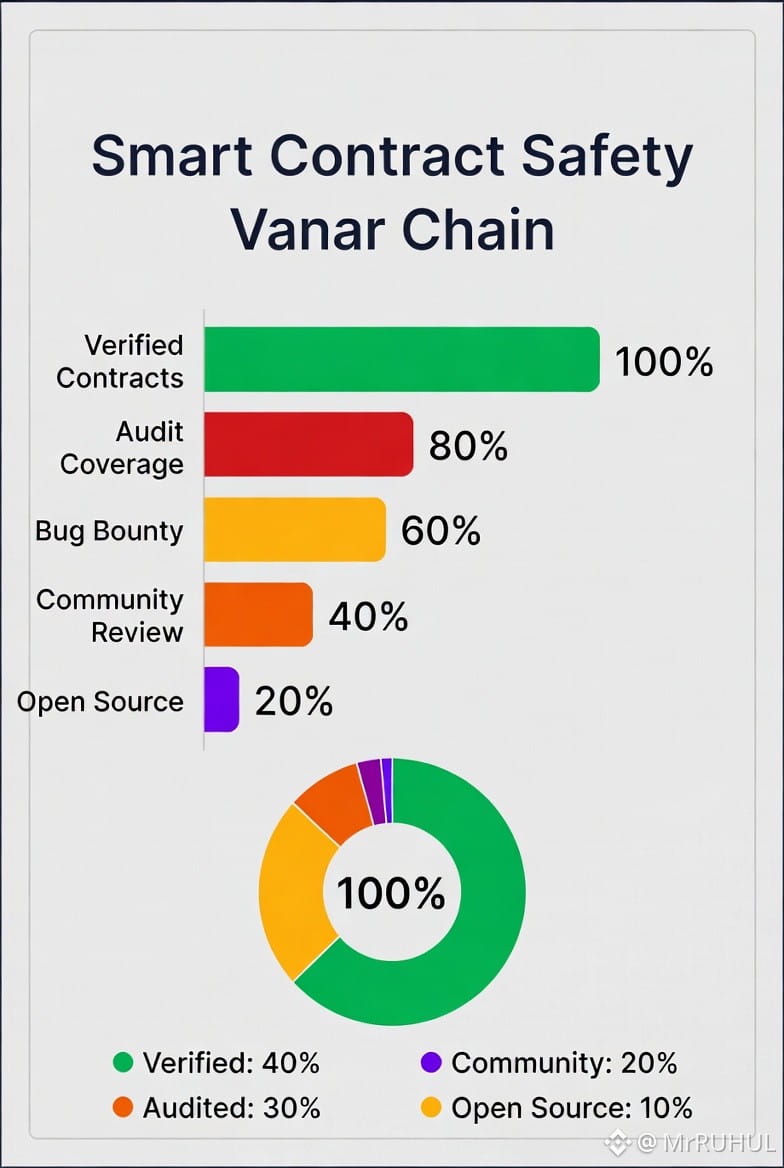
Let’s break it down. Vanar Chain’s design cuts out a lot of the ways contracts can go sideways. On most Web3 platforms, contracts have wild freedom—they can interact with almost anything, whenever. Sounds cool at first, but it also means you get headaches like reentrancy attacks and logic bugs. Vanar flips that script. It locks down those open doors, makes execution straightforward, and leaves way less room for contracts to do something unpredictable under stress. So those weird edge-case disasters that keep developers awake? They’re a lot less common here.
When it comes to writing contracts, Vanar keeps things simple and clear instead of trying to be clever. Developers are pushed to use proven standards, solid templates, and frameworks everyone understands. No need to reinvent the wheel unless there’s a really good reason. Sure, it might feel a little less “anything goes” than other platforms, but it means you’re much less likely to see some home-cooked code take down an entire system.
Testing isn’t just a box-ticking exercise on Vanar, either. Before anything goes live, contracts go through static analysis, simulations, and some pretty tough stress tests. Developers catch most of the big mistakes before anyone’s money is ever on the line. It’s that “test it before you trust it” mindset you see in critical software outside of crypto, too.
Governance is more than just voting here. Vanar treats it as a system for managing risk. When upgrades, new standards, or tools are on the table, every change gets a careful review focused on making sure nothing breaks for contracts already running. No one wants to wake up and find their project trashed by a network upgrade gone wrong.
For users, Vanar tries to cut down on scams and tricks. Most hacks don’t come from deep, hard-to-find bugs—they happen because users approve something they don’t really understand. Vanar’s approach is to make what’s happening in transactions obvious. Wallets and apps actually show you what you’re about to do, so you can spot scams or accidental approvals before it’s too late. It’s simple, but it shuts down a lot of attack vectors.
Another key thing: isolation. Contracts don’t get to run wild—they’re stuck in tight boundaries. If one goes haywire, the mess doesn’t spill everywhere. That’s huge for things like games, metaverse projects, or anything where digital assets move fast, because problems can get out of hand in those worlds if you’re not careful.
Vanar doesn’t pretend it can erase all risk. That’s just not how things work. The real trick is finding the balance between safety and flexibility. Go too far either way, and you either kill off new ideas or open the door to disaster. Vanar aims for that middle ground: open enough for big ideas, but with real guardrails to stop the usual screw-ups.
And don’t forget maintenance. Smart contracts aren’t “set and forget.” Bugs show up, requirements shift, and the outside world changes. Vanar pushes for upgrade paths that are open and auditable—no sneaky admin switches. Developers can fix stuff, users don’t have to worry about secret backdoors, and trust stays solid.
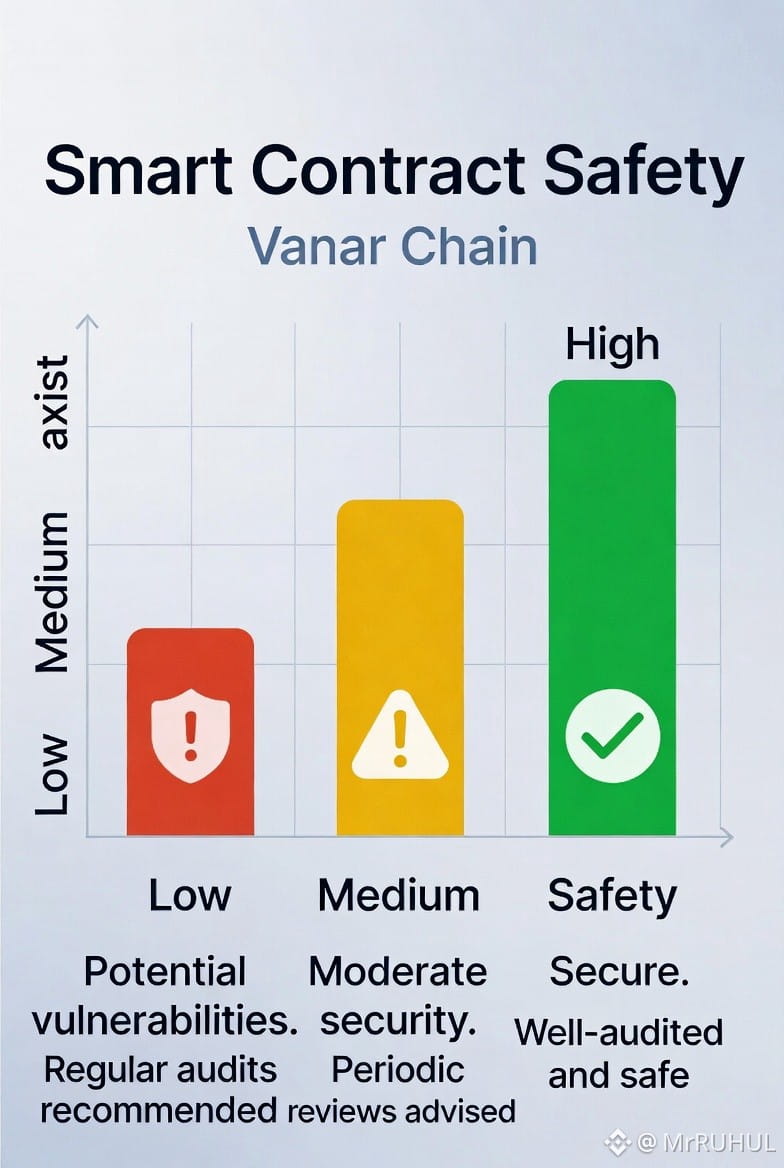
In the end, smart contract safety on Vanar Chain is all about trust. Developers get a platform that actually helps them do things the right way. Users don’t need to be blockchain experts to stay safe. And bigger projects or institutions can look at Vanar and know they’re dealing with a place that takes reliability seriously.@Vanarchain #Vanar $VANRY
