
When I look at Layer 1 blockchains today, I try to separate what’s designed for attention from what’s designed for usage. The difference usually becomes clear once traffic increases and expectations meet reality. Plasma is interesting to me because many of its design decisions only make sense if you assume the network will be used regularly, not just talked about.
One of the first things that stands out is Plasma’s stablecoin-first gas model. Most chains treat gas as a neutral mechanism, but Plasma treats stablecoins as the primary workload. Gasless USDT transfers aren’t just a convenience feature; they change how users behave. When transaction costs stop being a concern, usage patterns become more natural and frequent, which is exactly what payment-focused infrastructure needs.
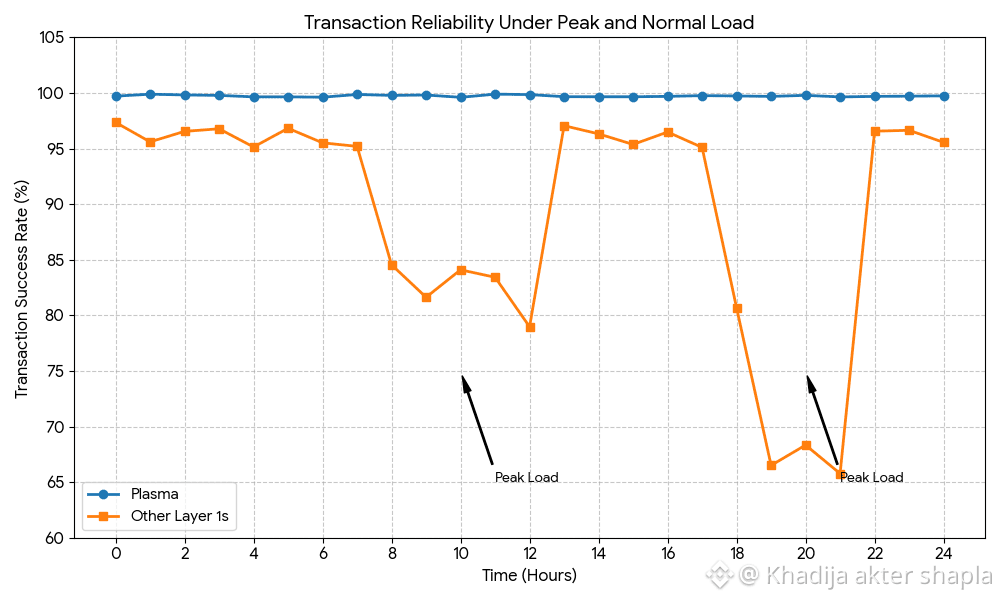
That design choice connects directly to Plasma’s execution-first architecture. By separating execution from settlement, the network avoids the kind of congestion that shows up when everything competes for the same resources. This matters most during periods of rising activity. Instead of slowing down unpredictably, the system is designed to remain steady, which is something I pay close attention to when evaluating infrastructure.
Finality is another area where Plasma quietly differentiates itself. PlasmaBFT enables sub-second finality, but what’s more important than raw speed is consistency. Fast confirmation times that only work under ideal conditions don’t help much. What matters is whether finality remains predictable as usage grows. Plasma’s architecture suggests it was built with that reality in mind.
Security and neutrality also play a role that’s easy to overlook. Plasma’s Bitcoin-anchored security model adds a layer of censorship resistance that aligns well with stablecoin settlement. When money movement is involved, neutrality isn’t optional. It’s foundational. This kind of security choice doesn’t generate hype, but it does generate trust over time.
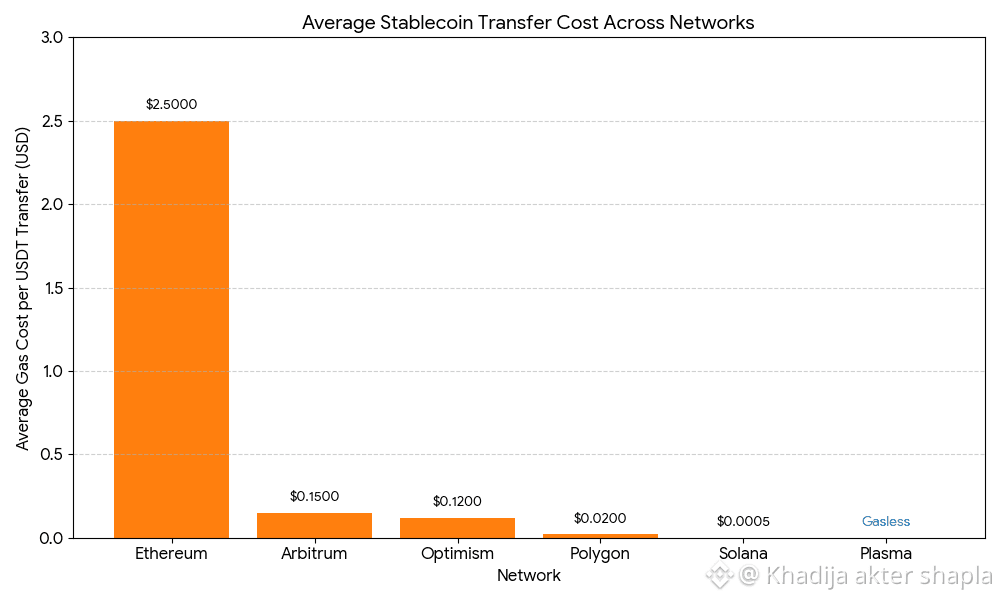
From a developer perspective, full EVM compatibility lowers friction, but the real value comes from the environment those applications run in. Stable gas behavior, fast finality, and reliability under load make applications usable in real conditions, not just test scenarios. That’s often where the gap appears between promising chains and dependable ones.
What makes Plasma stand out to me is that it doesn’t feel optimized for a single market moment. Its focus on reliability, stablecoin efficiency, and execution discipline suggests a network preparing for sustained usage rather than short-term visibility. Those are the kinds of systems that tend to matter more as markets mature.
In the long run, infrastructure is judged less by how exciting it looks and more by how quietly it works. Plasma seems to be positioning itself for that phase — where consistency, predictability, and real-world performance matter more than announcements ever could.

