

People always talk about Plasma ($XPL) as a new spin on stablecoin infrastructure, but the real test of any early blockchain project is how it handles risk. What jumps out about Plasma isn’t just that risks exist they always do but how clearly the team lays them out and ties them back to the actual design. That level of honesty feels rare. It shows some maturity, even if it means you need to look closely at what you’re getting into.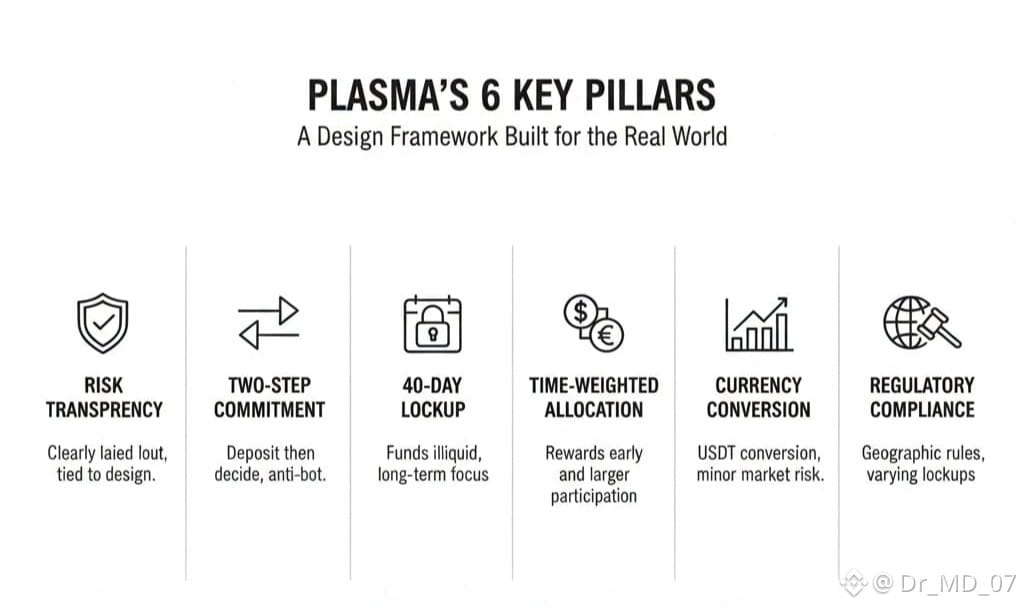
Plasma’s public sale runs on a two-step process. First, you deposit stablecoins to earn a shot at buying XPL tokens. Later, you decide if you want to make the purchase. The idea is to support long-term commitment over fast clicks or bots. But it’s definitely not straightforward. It’s easy to mix up putting in funds with actually buying tokens especially if you’re new to this stuff. That’s not a problem with the intention, but it is a challenge when it comes to making sure people really understand how things work. Moving away from “first come, first served” always makes things a bit trickier. You have to pay more attention and take more responsibility as a participant.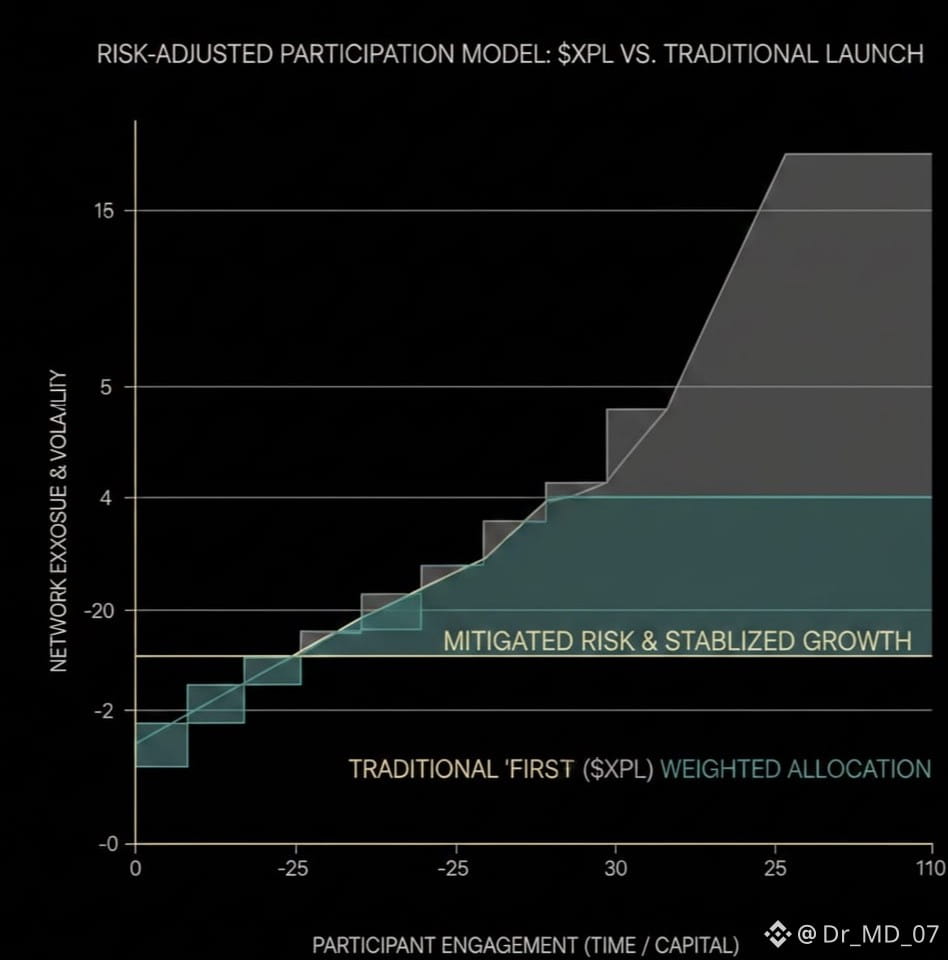
Another thing to know: once you deposit your stablecoins, they’re locked up for at least 40 days. You can’t touch them during that time. If you need to access your funds in a hurry, you’re out of luck. In other words, Plasma is built for people who can plan ahead and don’t mind their money being tied up for a while. It’s not designed for quick traders. It’s aiming for contributors who want to help shape the network in its earliest days.
There’s also the time-weighted allocation model. If you get in early or deposit more, you get a bigger share. Show up late or with less, and you get less. It’s transparent, but it isn’t equal. That’s not an accident. It’s meant to reward patience and scale. If you’re a smaller or late participant, you’ll need to keep your expectations realistic.
One of the more technical details: during the lockup, all deposits get converted into USDT, no matter what stablecoin you started with. Most of the time, those coins track each other pretty closely, but sometimes they don’t. So, there’s a small bit of currency risk. For most people, it may not matter much, but if you’re moving a lot of money or the timing’s unlucky, it can sting. Even systems built on stablecoins aren’t immune to market quirks.
Then there’s the question of where you live. If you’re a US accredited investor, you’re looking at a much longer lockup for your XPL tokens than people elsewhere. That means less liquidity and a bigger time commitment. It’s not something the project chose; it’s just how the rules work. Plasma seems willing to play by the book rather than look for loopholes, which says something about how they’re thinking long-term even if it makes things less appealing for some folks.
And of course, once XPL hits exchanges, all the usual market risks kick in. Prices can swing on hype, news, or just the mood of the day. Early on, liquidity might be thin, so big trades could move the price a lot. There’s no promise XPL will always be listed, and exchanges themselves aren’t immune to problems. Plasma isn’t pretending to shield anyone from this stuff. That fits with the spirit of decentralization, but it does mean you’re on your own.
All in all, Plasma rewards the people who take the time to really understand what they’re joining. It doesn’t gloss over the risks or pretend things are simpler than they are. Honestly, that’s refreshing. It’s built for those who want to think things through not just chase the next quick win. For the right person, the clear-eyed approach to risk is actually part of what makes the project interesting. It’s not a red flag it’s the whole point.

