

Most people still associate blockchains with trading, speculation, or experimental apps. In everyday life, money works very differently. It needs to be predictable. It needs to move fast. And most importantly, it needs to feel boring in the best possible way. Plasma starts from that reality. Instead of asking what else a blockchain can do, it asks a simpler question: what would blockchain infrastructure look like if stablecoins were treated as real money, not just tokens riding on someone else’s network?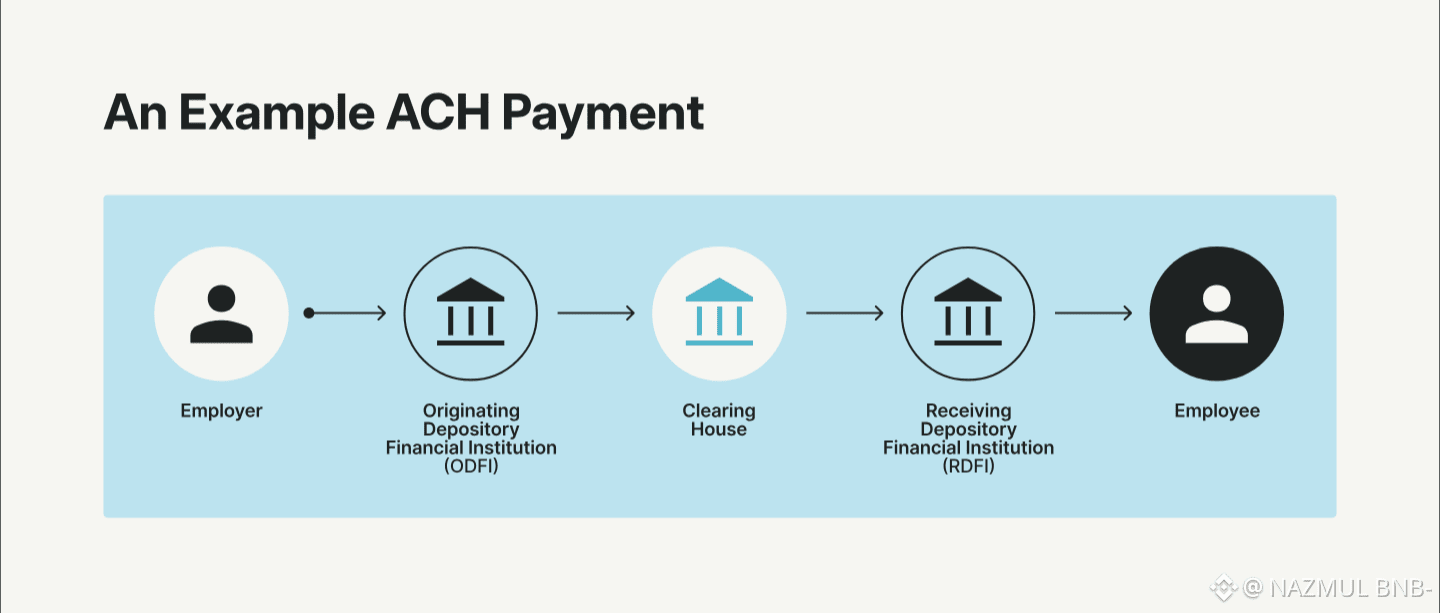
The core observation behind Plasma is straightforward. Stablecoins already move billions of dollars every day, yet they mostly run on chains that were never designed for high-volume payments. On networks like Ethereum or Tron, users must hold a separate native token just to send money. Fees fluctuate. Congestion appears without warning. Simple transfers can feel unpredictable, especially for small payments. That setup works for traders and power users, but it breaks down quickly for merchants, payroll, remittances, or everyday transfers. Plasma treats this as a design failure, not a user problem. Its answer is to build a chain where stablecoins sit at the center of the system, not at the edge.
This design choice shapes everything. Plasma does not try to be a general-purpose blockchain that later adds payments as a feature. It positions itself as digital money infrastructure first. Stablecoins are handled as first-class economic units, meaning the network is optimized around how people actually use them. One of the clearest examples is gas abstraction. On Plasma, users can send stablecoins like USDT without holding the native token just to pay fees. The protocol handles gas in the background through a separate model. For users, this feels closer to how money already works. You spend what you have. You do not need to manage an extra asset just to make a payment. This may sound small, but in practice it removes one of the biggest friction points in crypto payments.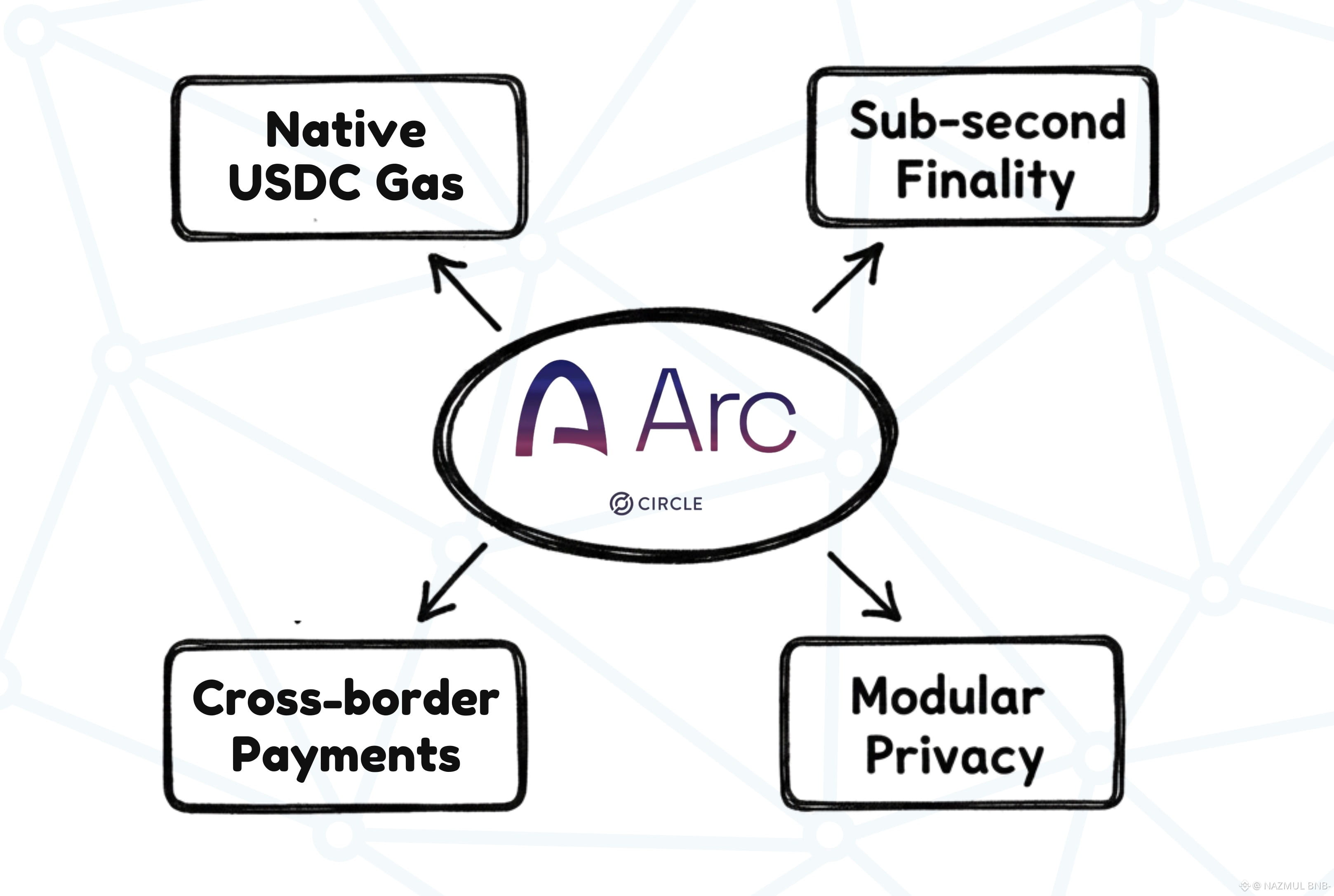
Under the hood, Plasma is built to support this payment-first philosophy at scale. It uses a Byzantine Fault Tolerant consensus system designed for speed and reliability, aiming for sub-second finality and high transaction throughput. That matters because payments behave differently from trades. They are frequent, often small, and sensitive to delays. A coffee purchase or a merchant settlement cannot wait minutes for confirmation, nor can it tolerate fees that change from one hour to the next. Plasma’s architecture reflects this reality. The goal is not maximum decentralization on paper, but dependable performance under real-world load. This is the kind of infrastructure thinking that payments demand, even if it is less flashy than launching new features every week.
At the same time, Plasma does not isolate itself from the broader crypto ecosystem. It runs an Ethereum-compatible execution environment, which means developers can use familiar tools and languages without learning something entirely new. Wallets, smart contracts, and existing workflows carry over with minimal friction. This makes Plasma more than a simple transfer network. It becomes programmable money. Stablecoins can move quickly, but they can also interact with applications, logic, and financial tools built on top. Cross-chain integration plays a role here as well. By connecting to broader liquidity systems, Plasma positions itself as a settlement layer inside a much larger web of chains and assets, rather than a closed island.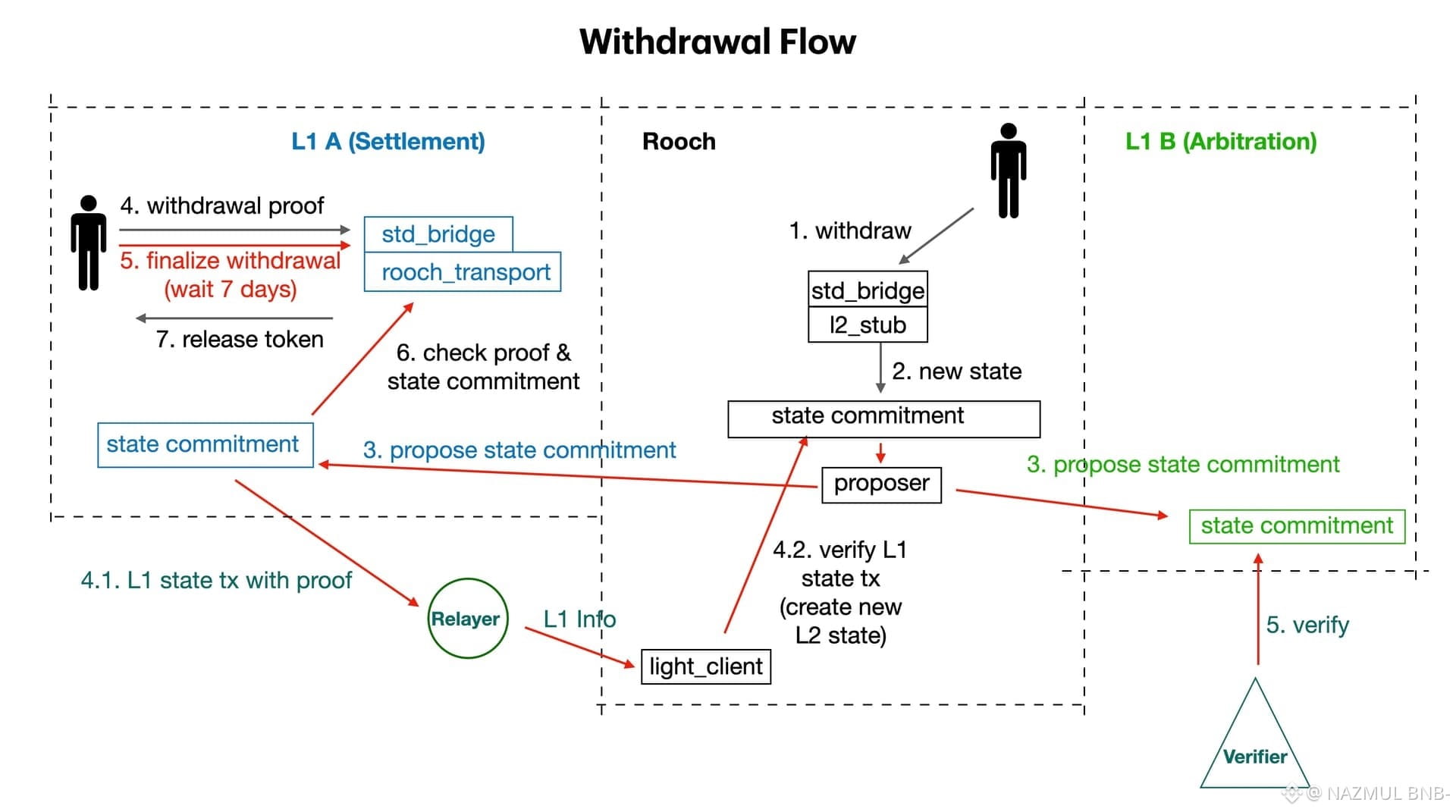
The economic layer of Plasma follows the same pragmatic logic. The native token, XPL, exists to secure the network, support staking, and fund long-term ecosystem development. It is not forced into every user interaction. This separation is intentional. Most people who want to use stablecoins do not want exposure to volatility or token management. Plasma acknowledges that reality instead of fighting it. At the same time, the network still needs incentives, security, and governance. XPL fills that role in the background, while stablecoins remain the foreground experience. Vesting schedules and structured allocations are designed to align long-term participation rather than short-term extraction, which is essential for infrastructure meant to last.
What Plasma ultimately represents is a shift in priorities. For years, blockchains have been built as multipurpose platforms first and financial infrastructure second. Plasma flips that order. It assumes that stablecoins are already one of crypto’s most successful products and asks how to support them properly. The early signals, including strong initial liquidity and rapid integration into cross-chain flows, suggest real demand for this approach. Still, the true test will come over time. Payment rails are judged not by launch metrics, but by consistency. Can the network remain reliable under pressure? Can it handle regulation, scale, and real-world usage without degrading the user experience?
Plasma does not promise to reinvent money. It does something quieter and arguably more important. It tries to make digital money behave the way people already expect money to behave. Fast. Predictable. Easy to use. If stablecoins are going to move from trading desks to everyday life, infrastructure like this will matter far more than the next speculative trend.

