

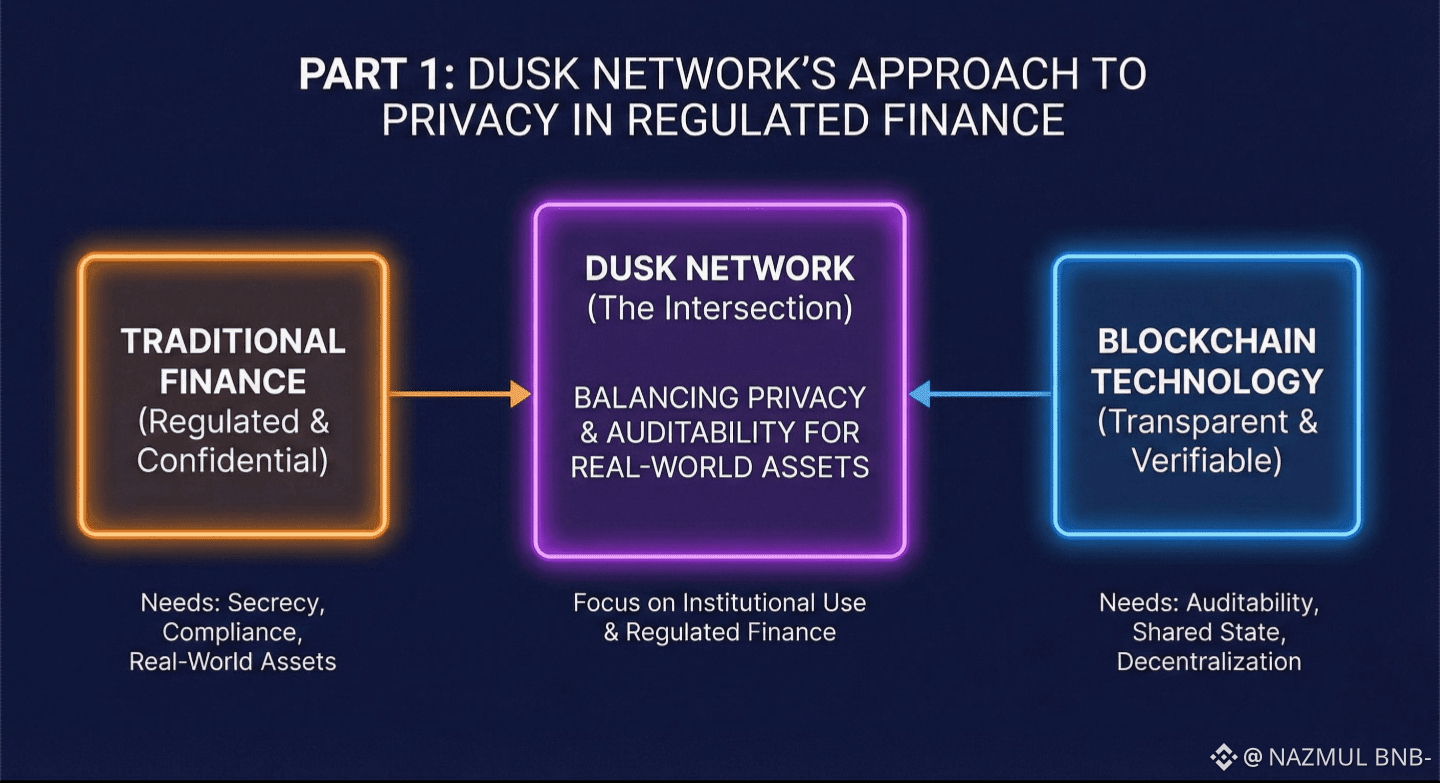
 There is a specific kind of frustration that only shows up when money is supposed to move quietly. It usually happens late, when markets slow down and attention fades. A transfer should be simple. Instead, it stalls. You wait for confirmations, watch the clock, and wonder whether the delay itself has created a problem. Did someone notice the transaction? Will compliance questions surface later? Will the settlement finalize cleanly, or will it hang just long enough to introduce doubt? These moments are not dramatic, but they shape behavior. Over time, they make people cautious. They make traders hesitate. And they expose a gap between what crypto finance promises and how it often feels in practice. Dusk was designed around this exact gap, not by adding more features, but by focusing on how financial actions actually unfold when privacy, speed, and trust all matter at the same time.
At its core, Dusk Network positions itself as a settlement network for situations where visibility is a liability rather than a benefit. The system uses privacy-preserving cryptography to keep transaction details confidential, while still allowing regulated participants to verify what needs to be verified. This balance is deliberate. Total anonymity does not work for real financial markets, especially when tokenized bonds, equities, or other real-world assets are involved. At the same time, full transparency exposes strategies, positions, and intent. Dusk sits in the middle. Transactions can remain private by default, but they are still provable. That means compliance checks can happen without turning every trade into public information. For users, this feels closer to traditional finance workflows, where confidentiality is expected, not questioned.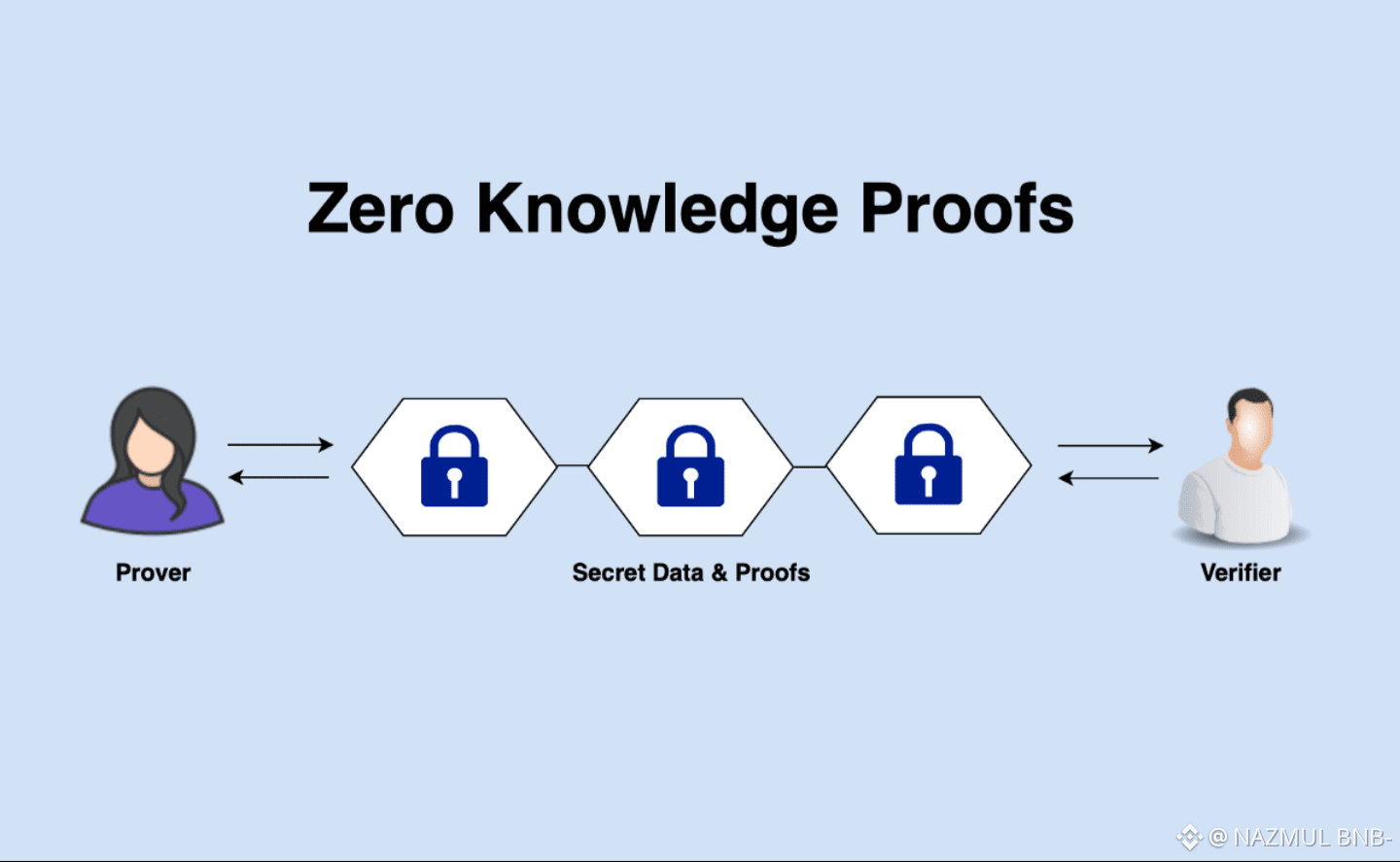
Speed plays an equally important role. Many blockchains are fast on paper, but uncertain in practice. A trade might be included quickly, yet finality can still feel distant. Dusk approaches this differently by aiming for deterministic settlement. Blocks are produced at a steady rhythm, and once a transaction is finalized, it is not meant to be revisited. For someone moving assets between platforms, this removes a layer of mental overhead. You do not need to wait and wonder whether a reorganization will undo your action. You do not need to price in the risk of front-running while confirmations stack up. Settlement becomes something you can rely on, not something you monitor nervously. This is especially relevant for tokenized securities, where timing and certainty matter as much as price.
The role of the DUSK token reflects this infrastructure-first mindset. It is not framed as a speculative object or a narrative asset. Its purpose is functional. DUSK is used to pay for network activity and to secure the chain through staking. Validators lock tokens to participate in block production, and rewards are distributed in a way that supports long-term network health. Part of the rewards go to those maintaining the system, part supports governance, and part is reserved for ongoing development. The supply schedule is intentionally slow, stretching emissions over decades rather than years. This reduces sudden shocks and aligns incentives with patience. For users, the takeaway is simple. The token exists to keep the system running smoothly, not to distract from what the system is meant to do.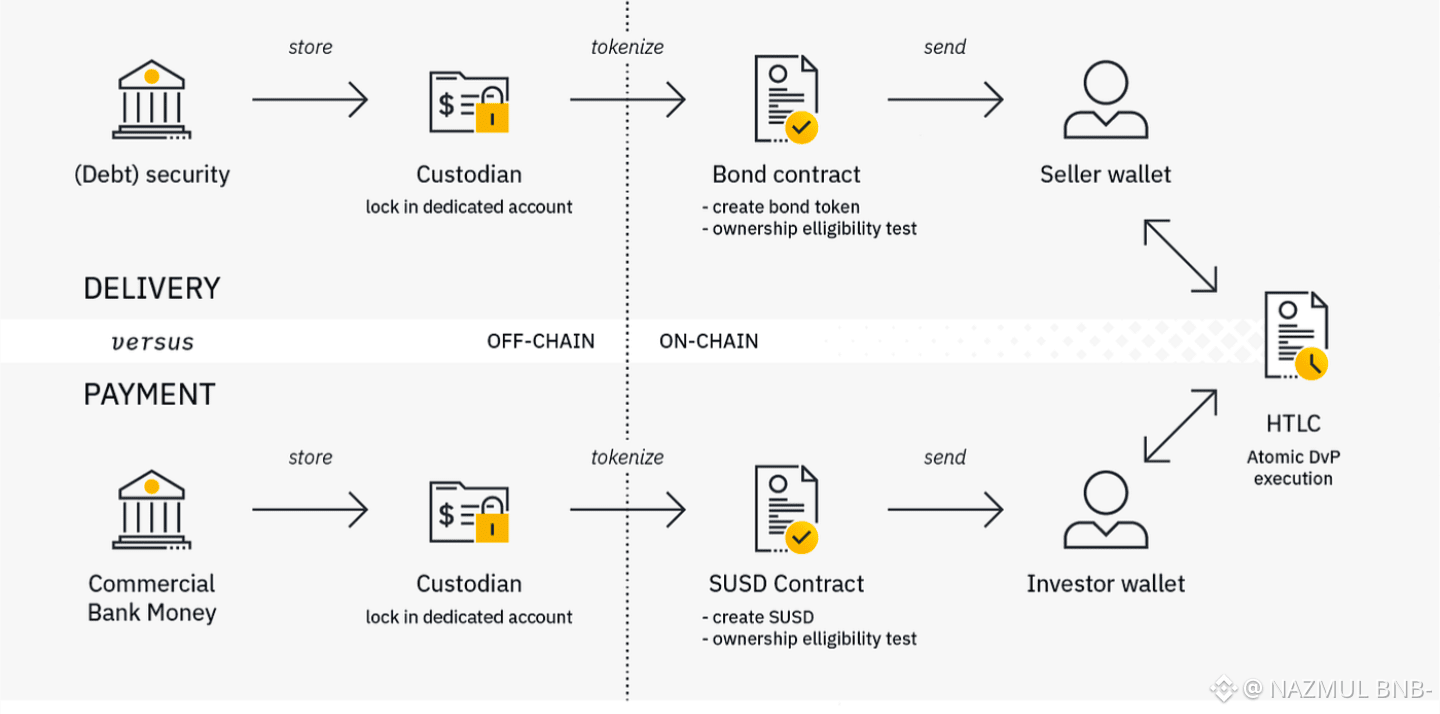
Where this design becomes tangible is in Dusk’s focus on real-world assets and regulated trading environments. Through platforms like Dusk Trade, the network is being positioned as a place where tokenized securities can settle privately and efficiently, without forcing users to hand custody to intermediaries. This matters because custody is often where risk concentrates. Reducing the number of handovers reduces the number of failure points. Partnerships with regulated venues and infrastructure providers aim to bring traditional assets on-chain in a way that feels familiar to institutional users. The goal is not to reinvent finance, but to remove friction where it no longer makes sense. Interoperability tools allow these assets to connect with other ecosystems, so liquidity is not trapped in one place. This gradual integration is less visible than headline-grabbing launches, but it is more aligned with how financial systems actually grow.
In the short term, markets will continue to focus on price movement. Tokens will spike, pull back, and generate noise. That is unavoidable. The longer-term signal for Dusk is behavioral. If users complete a private settlement once and it works as expected, they are more likely to do it again. Trust forms quietly. Infrastructure earns its place not through excitement, but through repetition. Dusk’s approach suggests a belief that the future of crypto finance will not be built on constant attention, but on reliability during unremarkable moments. The times when nothing goes wrong. The times when a trade settles, custody stays intact, and no one else needs to know. That is not flashy. But in finance, that is often the point.
