
RWA workflows behave differently once they enter Dusk. Not because anything breaks or access is restricted, but because nothing in the flow assumes it’s temporary. I noticed this during a tokenized asset transfer that should have completed cleanly. The trade path was open, settlement conditions held, ownership could progress, yet the step didn’t resolve as it normally would. Decisions lingered longer, as if everyone involved understood that this wasn’t a sandbox where cleanup could happen later. Execution was never blocked. No disclosure was requested. The system simply held the asset as if its final form already mattered.
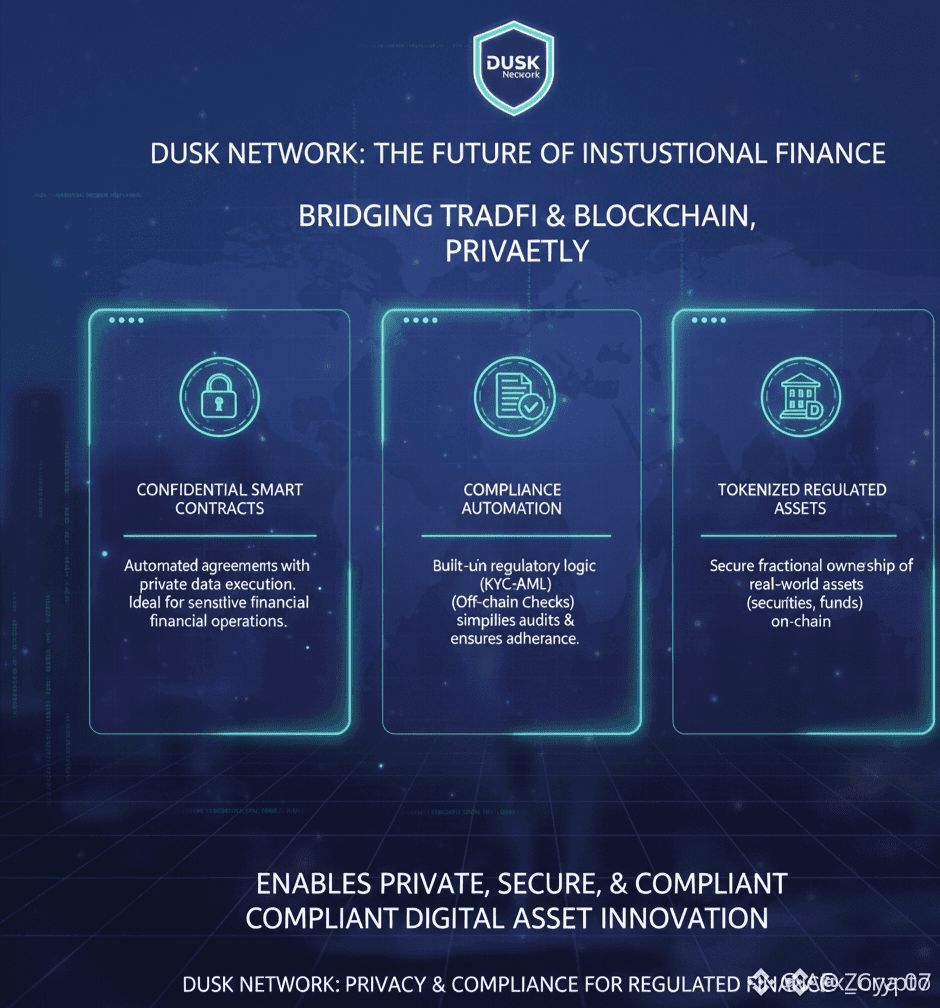
In Dusk, regulated RWA flows skip the “draft” phase. There is no informal stage where behavior is allowed to be loose because the real scrutiny comes later. The moment an asset enters the system, it behaves as though it will be reviewed with full context preserved. This is immediately noticeable. Shortcuts around settlement don’t appear. Transfers that would normally be rushed are treated like commitments. Ownership moves deliberately rather than drifting forward by default.
This is not enforcement; it is posture. The structure assumes regulated settlement from the outset, so institutional execution stops offering escape routes. The asset is not waiting to become compliant. It already exists within a flow where auditability is implied rather than scheduled. No committee attestation arrives early. No review interrupts the process. Behavior tightens naturally.
Under load, this difference becomes unmistakable. Multiple tokenized assets move in parallel. Transfers remain available, liquidity behaves normally, yet teams hesitate sooner, not because something is wrong, but because nothing in the system suggests that “we’ll fix it later” is a real option. Waiting increases not because settlement is slow, but because decisions carry weight earlier. Dusk does not flag risky behavior, does not warn teams about future review, and does not accelerate disclosure to make people comfortable. It simply keeps RWAs inside a structure where privacy does not reduce accountability, and silence does not erase memory.
Eventually, the pressure surfaces, not as friction, but as clarity. If an asset will be audited in the form it is taking now, why treat this step as provisional? Dusk does not answer that question. It does not need to. It keeps the asset moving along a regulated path that refuses to pretend the real work starts later. That is when “waiting to be asked” stops feeling safe.