
When I first looked at Plasma, it didn’t feel like it was built for traders at all. It felt like someone finally sat down and said let’s design crypto for accountants and finance teams. And honestly that shift changes everything about how the chain makes sense to me.
Most new blockchains talk about speed, cheap fees, and massive ecosystems. Plasma feels quieter and more deliberate. The focus is clearly on stablecoin rails that can handle real world payments. That means predictability, resistance to abuse, regulatory friendliness, and simplicity for people who just want to send money without learning how gas works. When I frame Plasma this way, it stops looking like another Layer 1 experiment and starts looking like a payments system that just happens to run on blockchain infrastructure.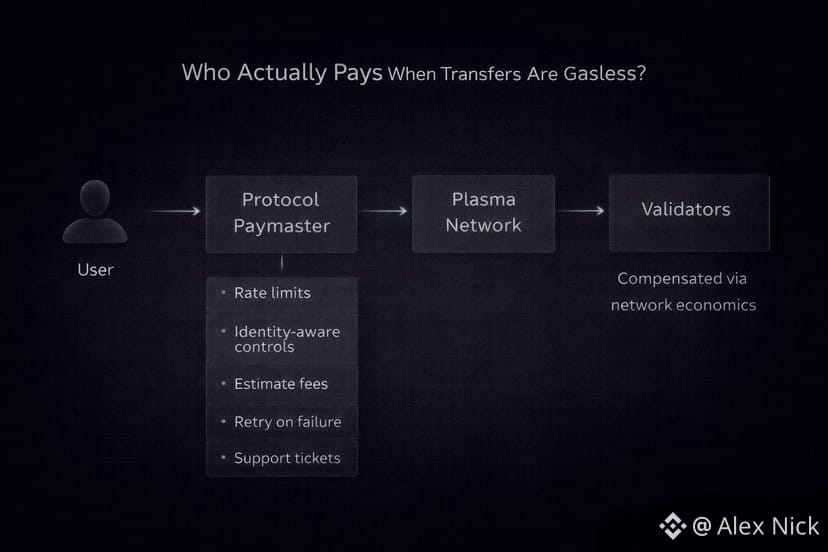
What Plasma is really fixing is not fees but operational friction. Stablecoins already work. People send USDT across borders every day. The problem is the constant friction layered on top of that flow. Users need native gas tokens, they worry about congestion, and support teams end up explaining why someone cannot send ten dollars because they are missing a fraction of gas. To me that is a product failure, not a user mistake.
Plasma’s answer is a protocol managed paymaster that makes USDT transfers gasless by default. The relayer only sponsors direct stablecoin transfers, which is important. That scope limitation is how Plasma avoids spam and abuse. I like that the system is explicit about who pays, how it is paid, and why it does not open the door to infinite free transactions. Zero fee only makes sense when you explain how the network stays safe.
A lot of projects promise free transfers and hope validators figure it out. Plasma does not do that. The documentation is very clear that the protocol itself covers gas for specific stablecoin transfers so users do not need to hold the native token just to move dollars. That design makes micropayments, remittances, and business flows actually usable.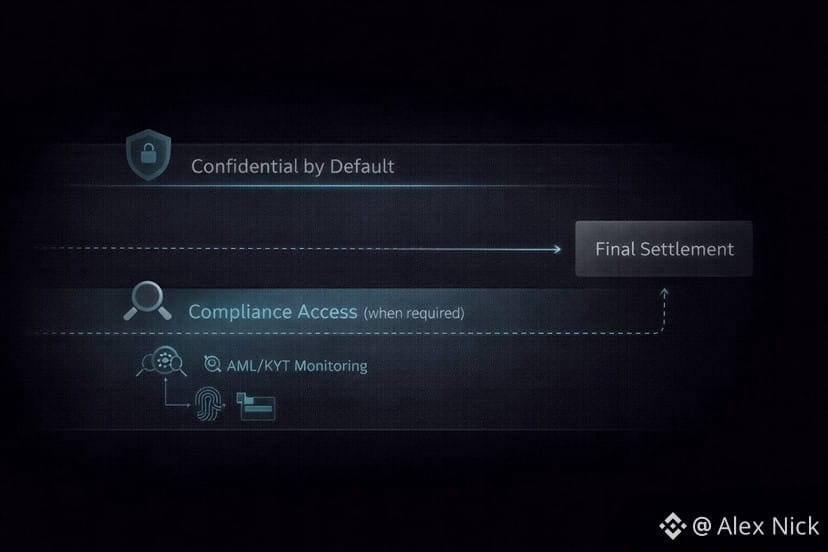
What stands out to me is the philosophy behind it. Plasma is not trying to impress crypto native users who enjoy complexity. It is aimed at payment flows where the sender should not care which chain they are using. That kind of simplicity is not weakness in payments. It is the whole point.
On compliance, Plasma does not play games. It does not pretend that privacy alone solves everything. Instead it sits in the middle ground where transactions can be confidential when needed but still auditable for real businesses. The confidential payments design is opt in, lightweight, and does not require new wallets or exotic tokens. It works with existing EVM tooling and does not try to turn Plasma into a full privacy chain.
That framing matters to me because it matches how institutions actually operate. They need confidentiality for customers and trades, but they also need audit trails, monitoring, and governance. Plasma feels like it is being built to ship into that reality rather than argue ideology on social media.
One of the strongest signals of intent I noticed is Plasma’s integration with Elliptic. That tells me more than any announcement thread. Elliptic provides AML, KYC, and transaction monitoring at scale. By building this directly into the network, Plasma is saying compliance is not an afterthought. If you want to move digital dollars at scale, compliance is part of the product.
Liquidity is another place where Plasma flips the usual playbook. Most chains launch first and chase liquidity later. Plasma launched its mainnet beta on September 25, 2025 with roughly two billion dollars in stablecoins active from day one through more than a hundred partners. That is not hype. Payment systems need deep liquidity to work. Thin liquidity leads to slippage, bad rates, and broken user experiences. Plasma solved that problem upfront.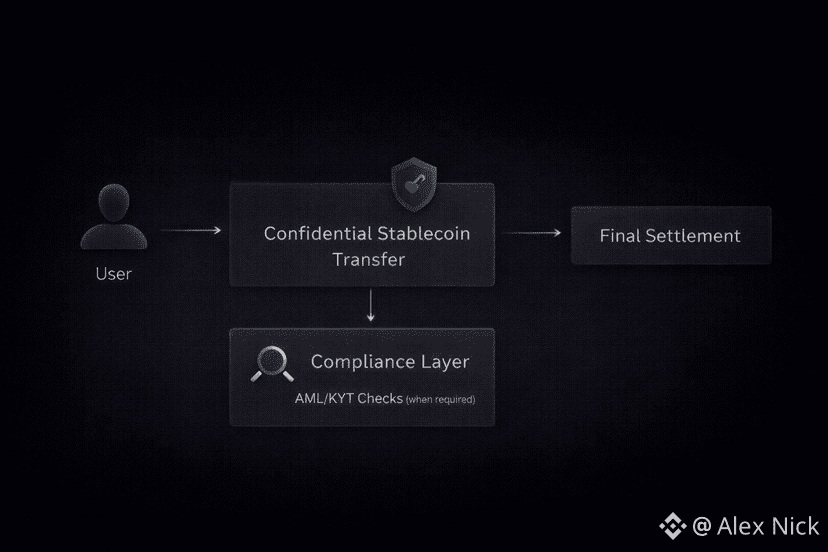
Then there is Plasma One, which made me realize distribution matters more than ideology. Plasma One is positioned as a fintech product, not a bank, and includes a card that works wherever Visa is accepted. What caught my attention is the focus on user safety and usability. No seed phrases. Hardware backed keys. Instant card freezing. Spending controls and real time alerts. Users keep self custody of their digital dollars without dealing with paper backups.
To me this tackles one of the biggest blockers in crypto adoption. Self custody is powerful but seed phrases are terrifying for mainstream users. If hardware based security becomes the default, self custody starts to feel like device security instead of a test of memory and luck.
When I step back, Plasma feels less like a blockchain and more like a full payments stack. Gasless USDT transfers. Built in compliance for regulated participants. Optional confidentiality. And a consumer product that turns stablecoins into something you can actually spend. The idea of stablecoin native contracts makes sense in that context. Stablecoins are the product. Everything else exists to support them.
What I appreciate is that Plasma accepts tradeoffs. Gas sponsorship is limited. Privacy is optional. Compliance is built in. The scope is disciplined. In crypto that kind of restraint usually signals a focus on reliability rather than applause.
The biggest bet Plasma is making is that stablecoins win by becoming boring. The internet succeeded because the infrastructure disappeared into the background. Plasma is clearly aiming for that same outcome. Send digital dollars without thinking. Give institutions the controls they need. Let people spend on a card in the real world. If Plasma succeeds, it will not create a hype cycle. It will quietly normalize stablecoins by finally giving them rails that behave like real financial infrastructure.

