

Crypto networks usually start with an idea: they are completely open do not need permission and are decentralized right from the beginning. This sounds like a plan.. When you try to make it work in the real world it often falls apart. When you make payments you need to know that they will go through and that the system will be working all the time. Big companies want to know who is responsible for things they want to be able to check everything. They want a clear plan, for how things will get updated. There are rules that crypto networks have to follow. You cannot just ignore them. Crypto networks have to deal with these rules. That is just the way it is. Crypto networks are supposed to be open and free. They still have to follow the rules. When things get tough a lot of networks that say they are really open actually start to use rules to control who gets in. They might also make minute plans or have secret decision making processes. This is not what they originally said they would do. These networks that claim to be open and fair often end up doing things that go against what they believed in like radical openness.
The difference, between what people say is. What is really happening is where Vanar Chain is. Vanar Chain does not say that decentralization is bad. Instead Vanar Chain thinks about when decentralization should happen and how it should work. Vanar Chain is trying to figure out the way for decentralization to emerge.
Decentralization as a Gradual Process
Vanars main idea is that being decentralized is something that happens over time. It does not think that people can just start working without trusting each other right away. The Vanar network uses what it calls a trust ladder, which's a way for people to start trusting each other little by little. Vanars trust ladder is something that the Vanar network writes about and explains in detail.
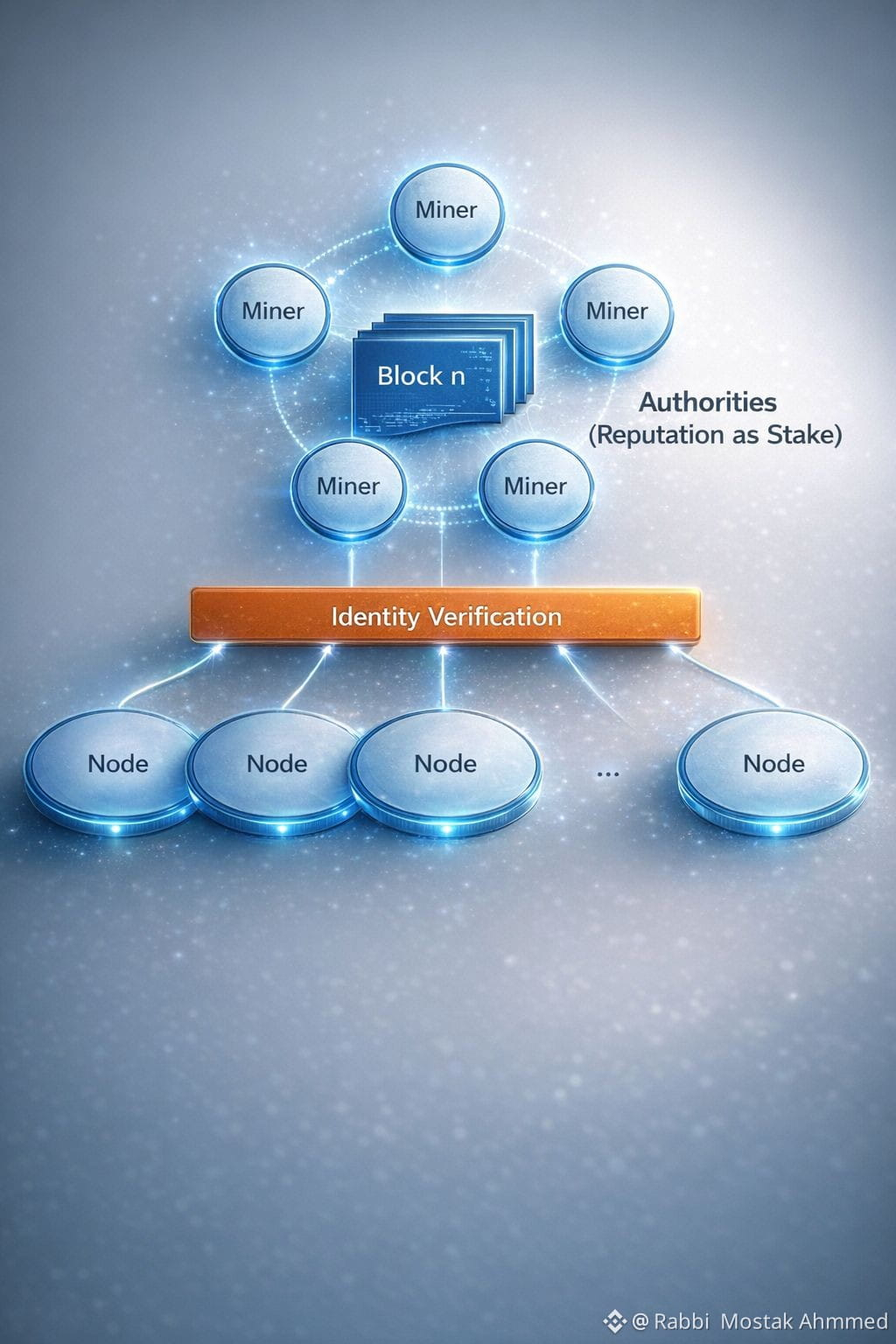
When the validator set starts out it is made up of a group of people we know and trust. These people are chosen because they are good at what they do and they take responsibility for their actions not just because they have a lot of money or want to remain anonymous. As time goes on more validators are allowed to join based on how they do their job like how often they are available if they follow the rules and if they keep doing a good job over a long period of time. The validator set gets bigger as more people prove they are good, at being validators.
What is important here is that everything is out in the open with transparency. This is not something that is said to be an idea of decentralization that will happen sometime in the future. Decentralization is actually part of the plan from the start with rules that say when it will happen. The plan, for decentralization is tied to things that we can see and measure not to promises that something will be done.
A Hybrid Security Model: Authority Plus Reputation
Vanars consensus is a mix of Proof of Authority and Proof of Reputation. The idea, behind this is simple: having a lot of money does not necessarily mean something is secure. Vanars consensus takes a view of things. It says that just because you have a lot of capital it does not mean you are safe. So Vanars consensus uses both Proof of Authority and Proof of Reputation to make things more secure.
Systems that are controlled by stakeholders think that if people have a lot of money invested they will be honest.. The truth is, people can rent or borrow stakes or they can have a lot of control for a short time. This can cause problems like people taking control for a while manipulating the rules and validators changing really quickly. None of these things are good for systems that need to last a time like infrastructure that is supposed to be around for a long time such as long-lived infrastructure. Stakeholders and their stakes are really important, in these systems. The stakes can be a problem if they are not handled correctly so stakeholders and their stakes need to be considered carefully.
Reputation is a way to think about security. When we talk about Reputation we look at how something has performed in the past. This includes things like how it has been working how well it responds and how consistent it is. All of these things help us figure out if we can trust the people who are validating the system.
Reputation takes a time to build and it is very bad to lose it so people are more likely to do what is best for everyone in the long run rather than just doing what is best, for them right now.
Proof of Authority helps keep things accountable when the system is just starting out. Then Reputation comes in. Adds a kind of memory to the system so it can keep working smoothly over time. Reputation also helps the system keep going in a way.
This is why it fits with payments and business systems. The thing is, payments and business systems are a part of what we do. So when we talk about payments and business systems we are talking about something that's really important to us. Payments and business systems have to work smoothly and that is what this does. It makes payments and business systems work better which is a thing, for everyone involved with payments and business systems.
When it comes to payments and using something for a company it is really important that things work in a way that people can understand. The people who sell things and the companies that help them need to know that the system will always work the way. Companies want to know that updates will happen in an organized way they want to know who is, in charge and they want to be able to figure out what will happen if something goes wrong. Payments and enterprise use cases need to be predictable so that merchants and platforms can trust the system.
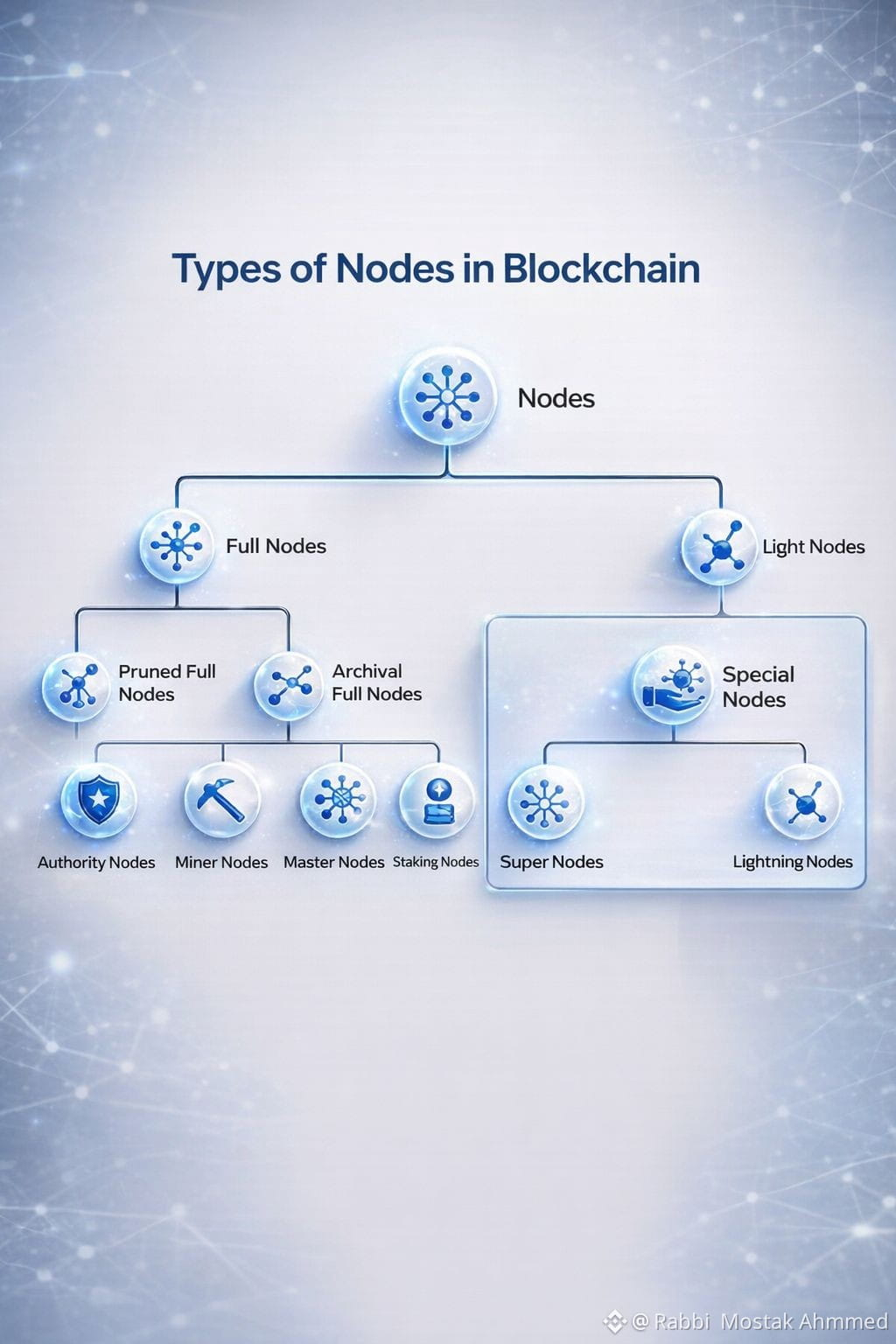
Proof of Authority has some downsides. It means we have to trust some people and it limits who can join in at the beginning. Vanar does not say this is not true. Vanar just thinks Proof of Authority is okay for the stages of a network when we really need it to be reliable and always working. The important thing is that we know this is the first stage and we are planning for it to change and get better. Proof of Authority is a choice, for these early stages because reliability and uptime are very important.
Compatibility Over Reinvention
Vanars approach is about making things work well together and that is really smart. When we think about Web3 there is a lot of space on the web. But what is really hard to find is time for the people who actually build things. Vanars compatibility-first strategy is a way of looking at things because we know it can be tough to get people to start using new things. In Web3 we have a lot of blockspace. The time of the developers is what is really scarce. Vanar knows that getting developers, on board is the part so they focus on making things compatible.

The infrastructure at Vanar is made to reduce the need for rewrites. It works well with the existing systems. This makes it cheaper to try out things and to put them into action. Some systems need new ways of doing things and that can be really nice but it is a big risk for developers before they can actually make anything useful. Vanar thinks that making things work together in a way is more important than having a completely new and fancy system when it comes to actually getting people to use it. Vanar is, about reducing the problems that come with trying to get people to use new systems. Vanar prioritizes integration of Vanar over new architectural ideas when it comes to real people using Vanar.
Neutron as Hybrid Storage, Not a Gimmick
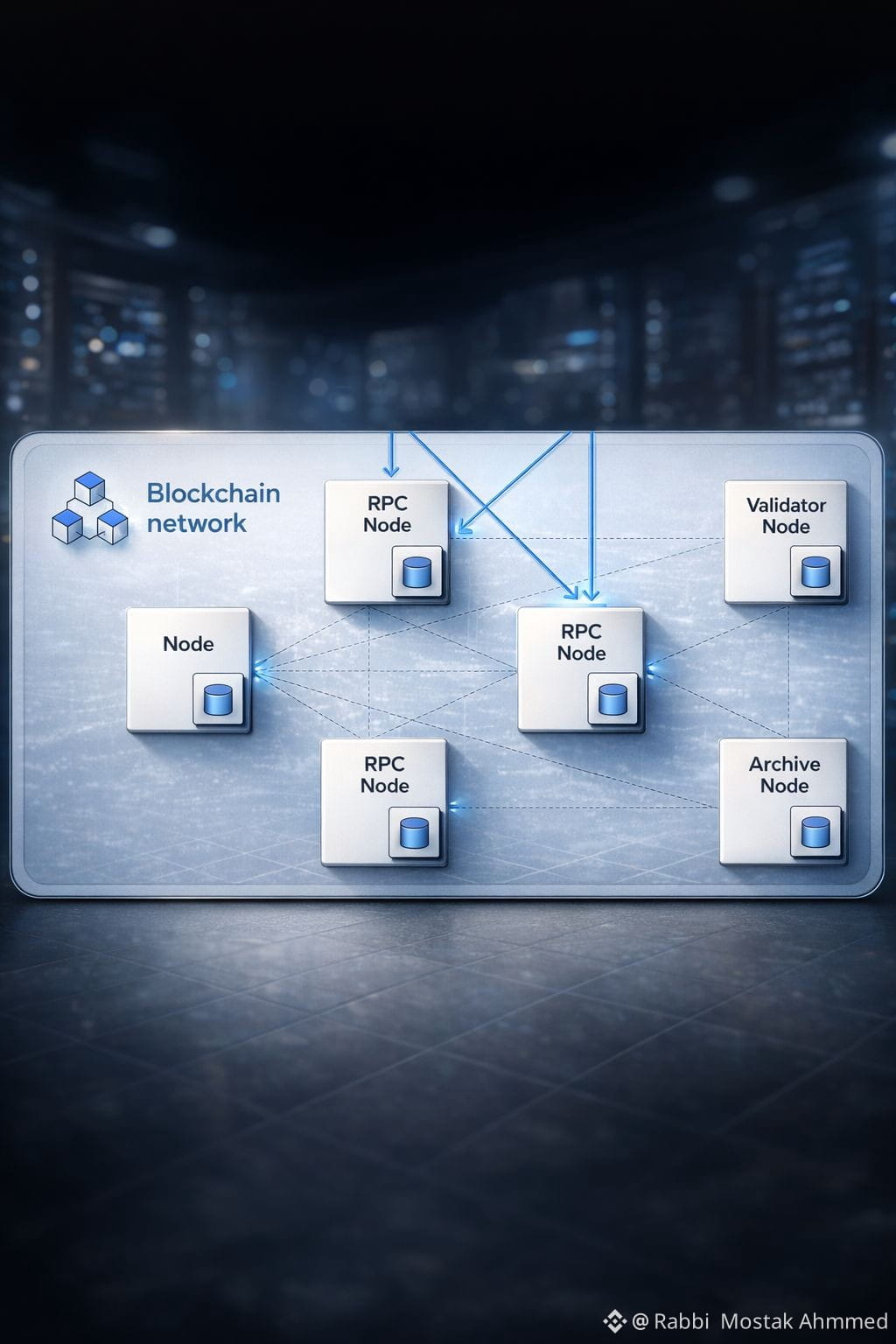
Neutron is really something that works best when you think of it as a way to store things that combines methods. The big things or things that change a lot are stored outside of the system because that is where it is cheaper and it can handle more. The main system is used to make sure everything is honest and true and to show who owns what by using codes that cannot be broken. Neutron does this so that people can trust the system and know that their things are safe.
This way of doing things does not follow strict rules about what happens on the chain but it still makes sure that people can trust it. It is a design for things that need to work well, like when you are working with videos, pictures or documents or when you need to make a lot of changes.
Kayon and Compliance as Software
Kayon brings up the idea that we can actually write rules into computer programs and think about them in a way. This means we can look at rules play them back and check them to make sure they are working correctly of just relying on people to do everything by hand. Kayon says that rules can be treated like logic, which's a big change, from how things are usually done.
This changes the way we think about governance and audits and resolving disputes. We start to see them as problems that can be solved with software than things that get held up by people. Governance and audits and dispute resolution are still important. Now they are more straightforward and easier to manage. This makes it easier to understand what is going on. It reduces the amount of work that needs to be done to keep everything running smoothly. Governance and audits and dispute resolution are still necessary. They are not as complicated as they used to be.
Security First, Yield Second
Vanar says that staking is a way to keep things not a way to make money. Vanar thinks that over time staking will work with reputation so it is fair to people who behave well and take risks with their money. This way people earn trust by doing a job and it is made stronger by the money they put in rather than being able to buy trust right away. Vanar believes that staking should be about trust and safety not, about making a profit.
Builders Over Broadcasts
The growth of an ecosystem is really driven by the people who build things not by all the hype. When you have tools it is easy for people to get started and when you give them a reason to use the ecosystem it creates a kind of circle. The more people use the ecosystem for real the more credible it becomes and that is what attracts people to it. The ecosystem growth is what happens when people actually use it. It gets stronger because of that.
A Bet on Invisible Infrastructure
Vanar’s underlying bet is that the future of Web3 looks less like speculation and more like infrastructure that quietly works. The project should be judged not by excitement or slogans, but by whether it reduces friction in real systems over time.