
Decentralized storage doesn’t get much love in Web3 conversations. It’s not flashy like DeFi and it doesn’t come with TPS charts or yield screenshots. But it’s one of those things that quietly decides whether an app actually works at scale. I’ve been following Walrus for a while, and what I like is that it feels built by people who’ve actually hit these problems before. Less noise, more solving. That’s why @Walrus 🦭/acc and WAL keep coming up when infrastructure builders talk seriously.
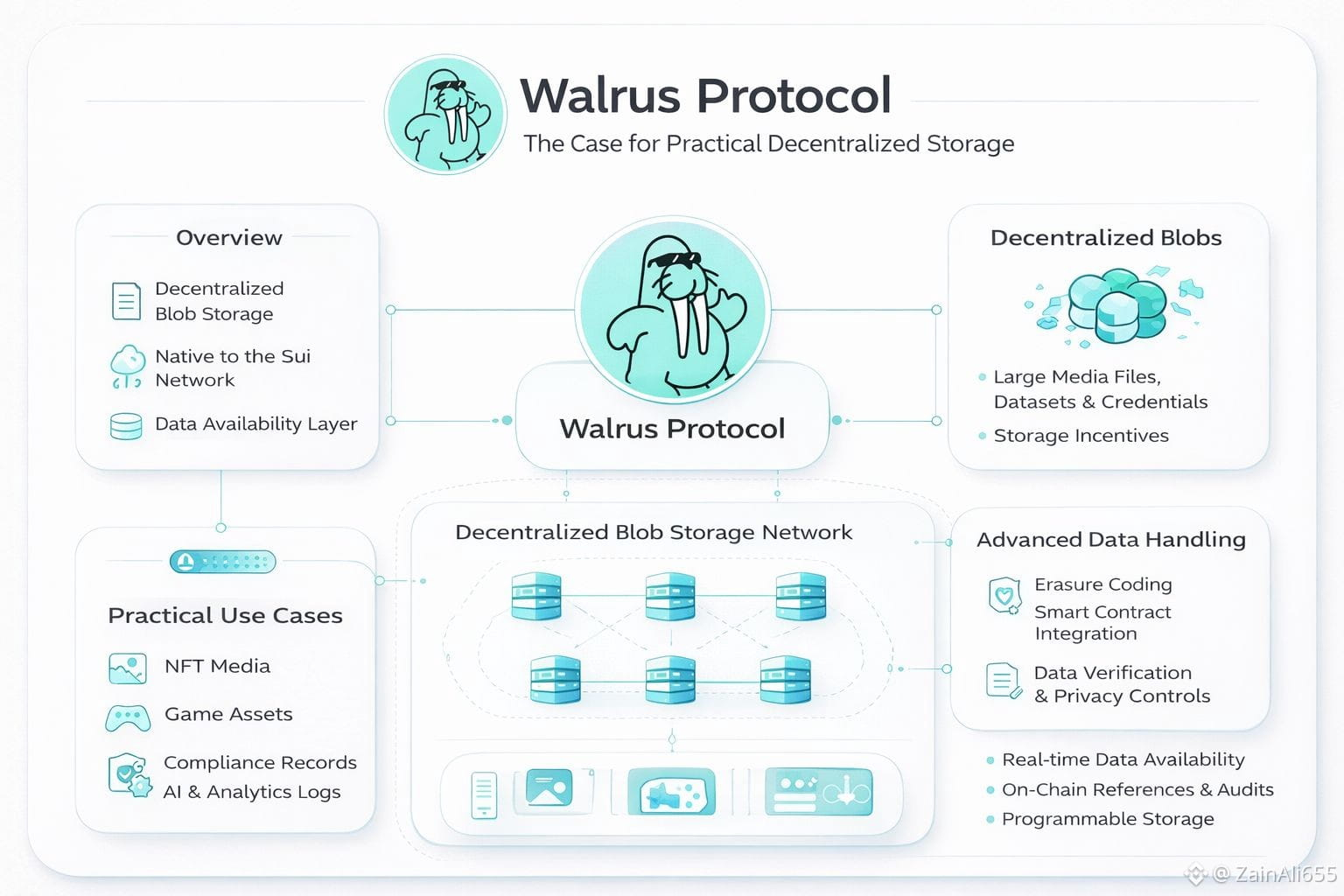
At its core, Walrus is a decentralized blob storage protocol designed to work natively with Sui. The key word there is blob. We’re talking about large pieces of data. Media files, datasets, credentials, records. Stuff that most Web3 apps still push onto centralized cloud services because there’s no good alternative. Walrus is trying to be that alternative, without asking developers to sacrifice reliability or usability.
What makes Walrus different is how it handles data under the hood. Rather than copying entire files across a group of nodes, it uses deletion coding. Data gets break into bits and spread across the network. If some nodes go down, no big deal. The data can still be reconstructed. That means high availability without paying the cost of full replication. For builders, that’s huge. Storage stays predictable, and scaling doesn’t feel like a financial trap.
Another thing I appreciate is that Walrus doesn’t treat storage as an afterthought. Data availability isn’t just “off-chain somewhere.” Smart contracts can actually reference stored data, verify that it exists, and enforce rules around how it’s used. That opens up real, everyday use cases. NFT media that doesn’t vanish. Game assets that stay accessible. Compliance records that can be audited. Logs for AI or analytics that can’t be quietly altered. These aren’t edge cases. They’re things teams run into once users show up.
When you compare Walrus to other decentralized storage networks, the differences are pretty clear. Filecoin does a great job with long-term archival storage and big data markets. Arweave shines when permanence is the goal. Walrus is focused on active applications. Apps that need to read data, update it, and verify it often. It’s less about storing something forever and more about making data usable day to day.
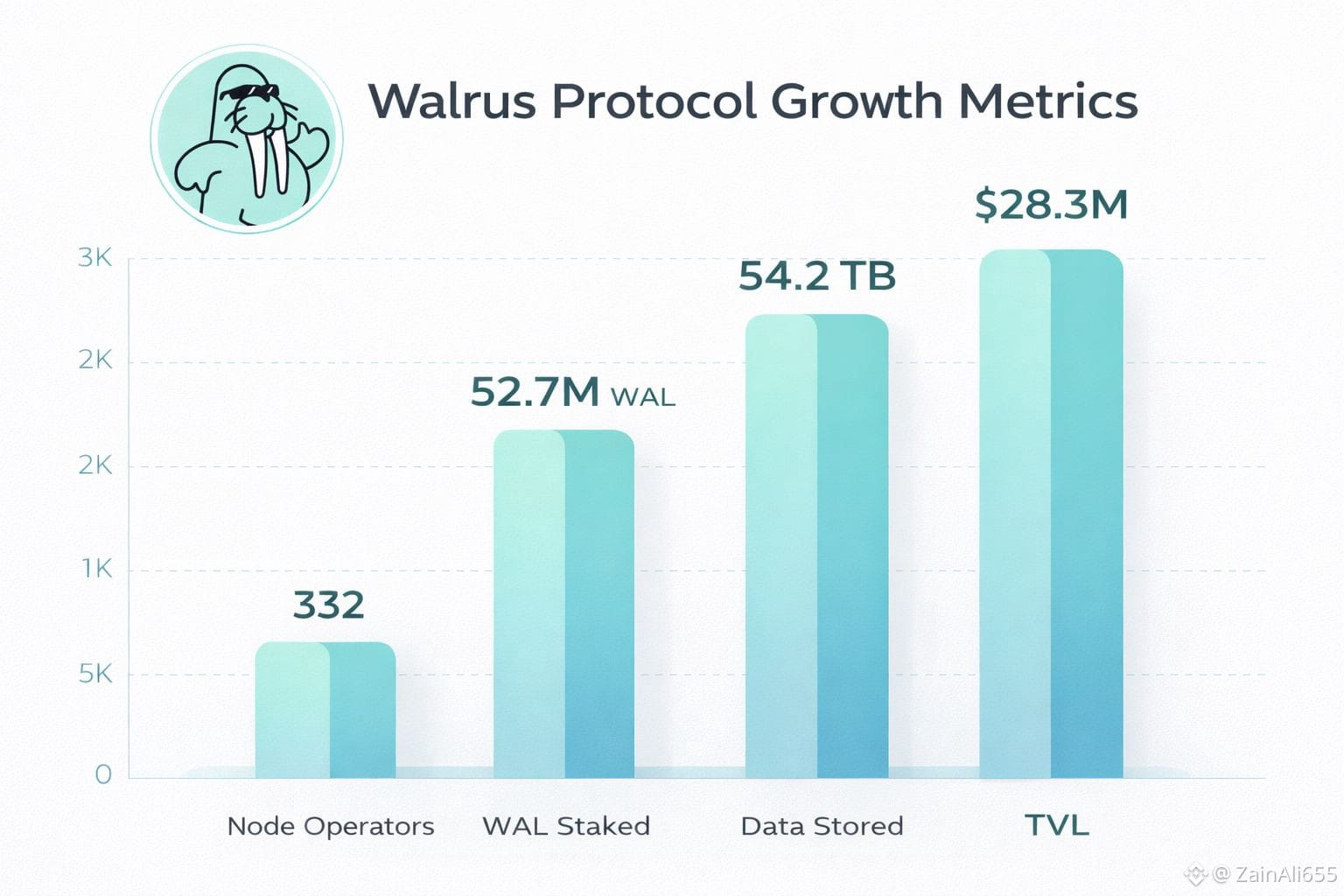
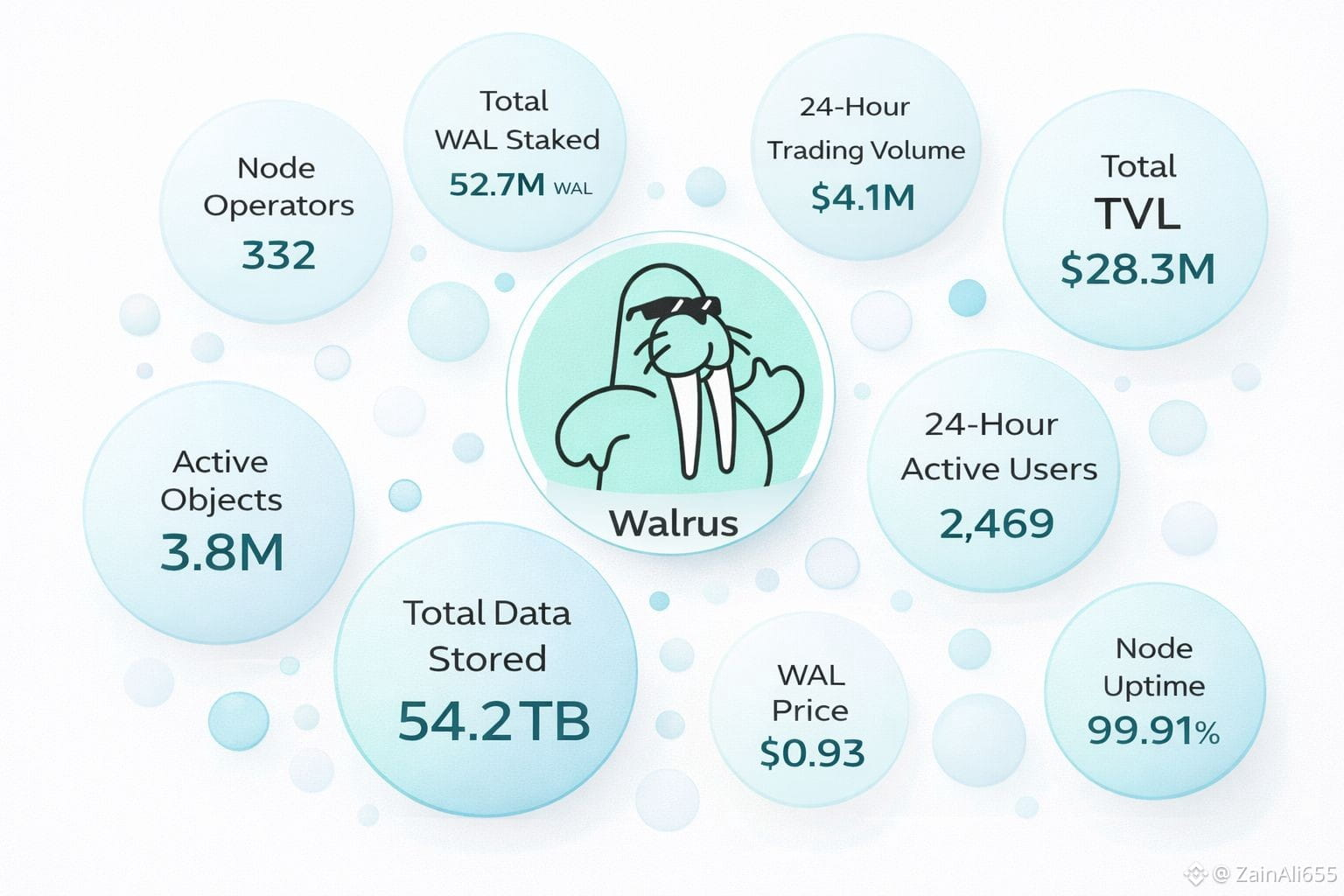
Adoption so far backs this up. Since mainnet, Walrus has been shipping developer tools and SDKs that lower the barrier to entry. Early usage includes digital IP, data availability layers, and apps that depend on large datasets staying accessible. That kind of adoption usually means builders are testing it in real environments, not just kicking the tires.
Of course, it’s not risk-free. Storage incentives have to hold up when markets get rough. Regulatory questions around sensitive or identity-linked data aren’t going away, even with encryption. Walrus will need to keep improving privacy controls and economic guarantees as use grows. And like most newer tokens, $WAL comes with volatility that teams need to factor into long-term plans.
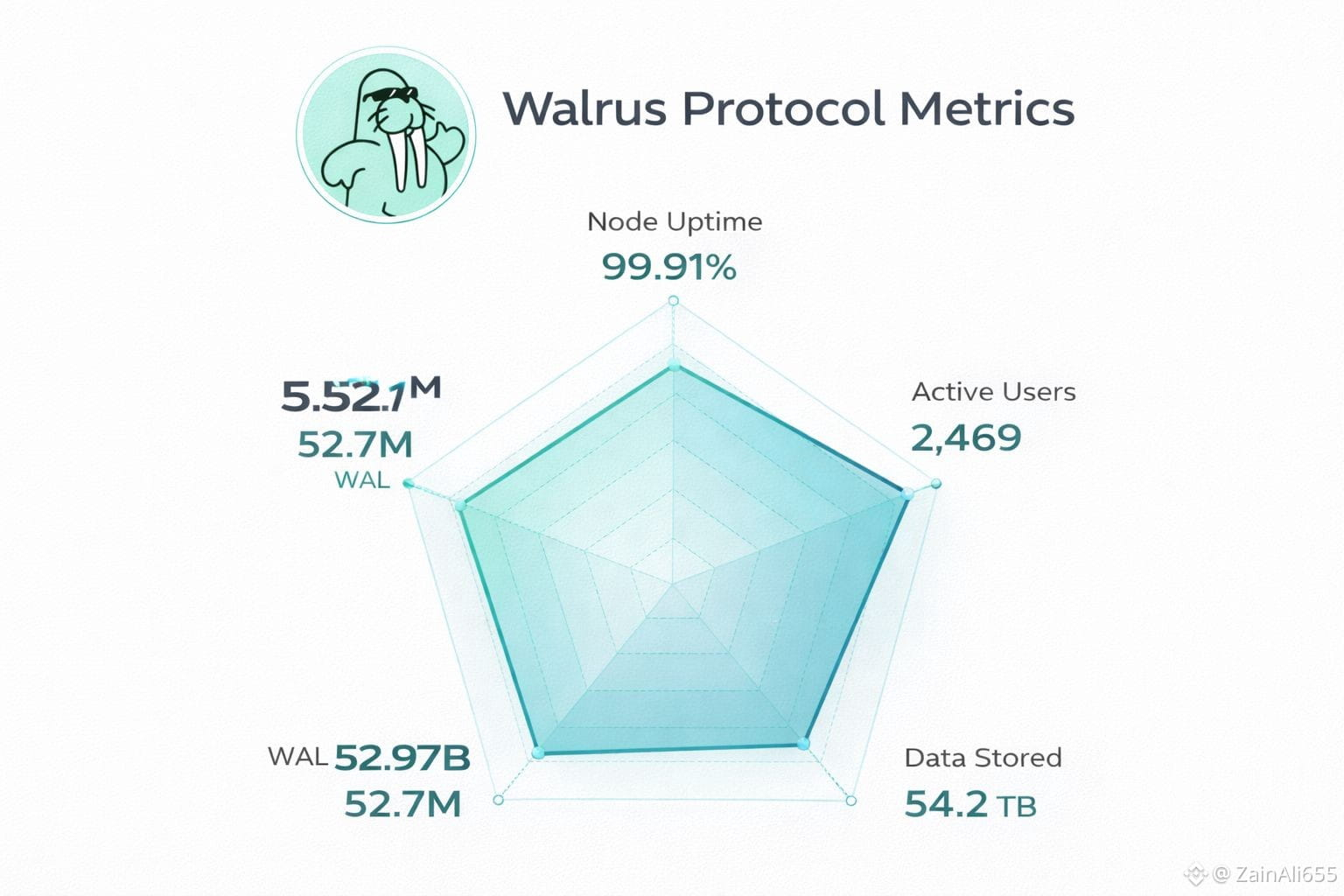
If I were building today, I’d start simple. Store non-sensitive media or metadata first. See how it behaves under load. Then move toward more complex data with stronger encryption and access rules. Visual explanations of how data gets split and reconstructed also help a lot when you’re onboarding users or partners.
#walrus isn’t trying to be everything. It’s focused on being useful. Practical. Programmable. And honestly, in infrastructure, that mindset usually wins in the long run.